About this artwork
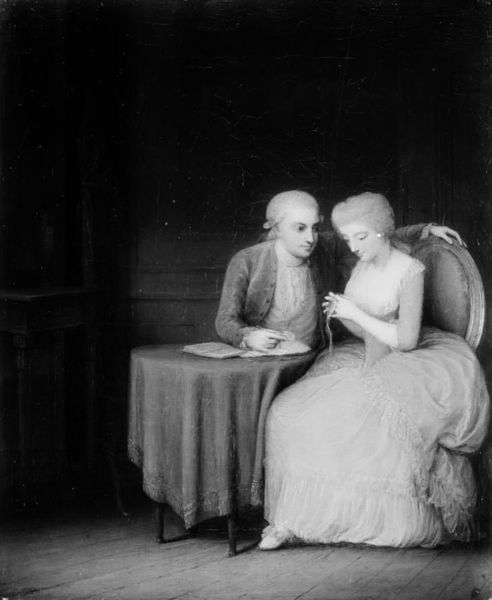
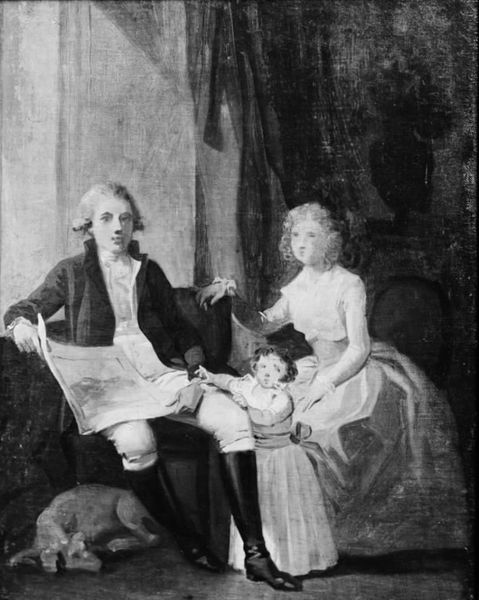
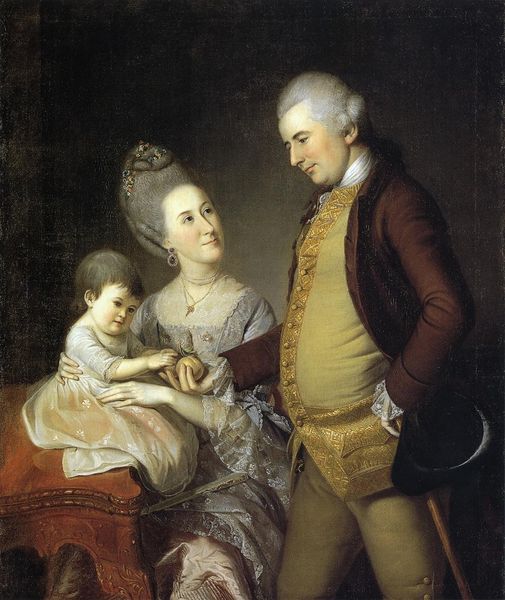
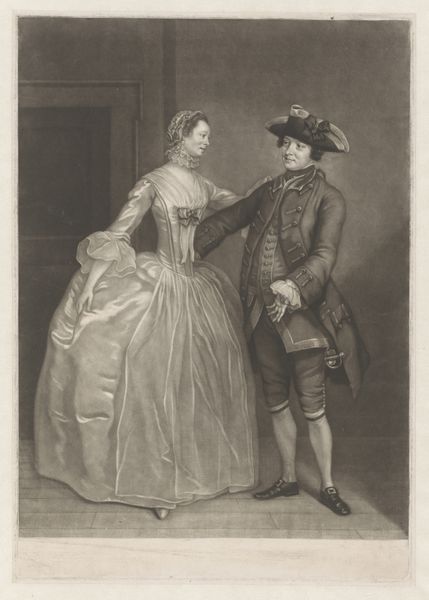
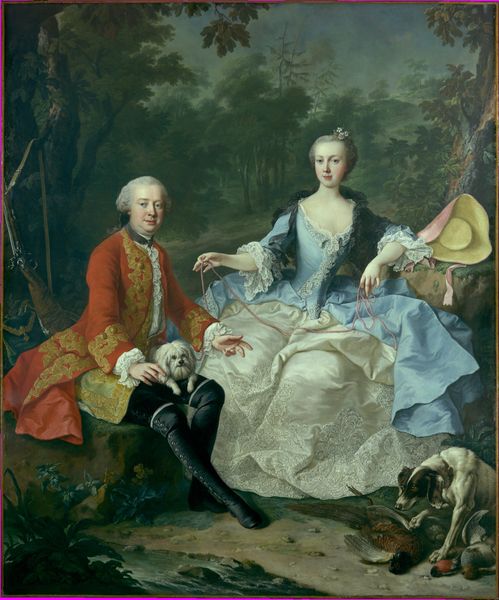
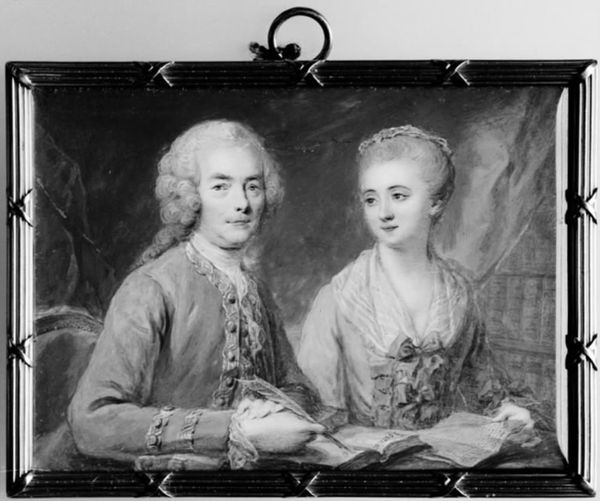
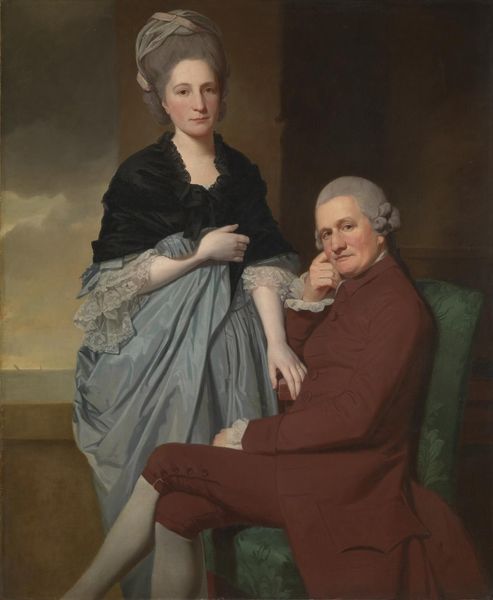
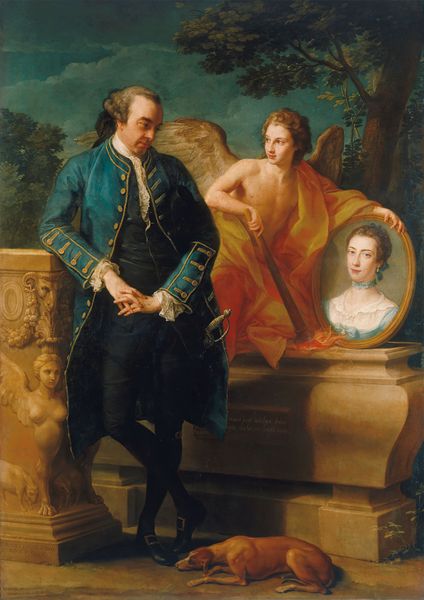
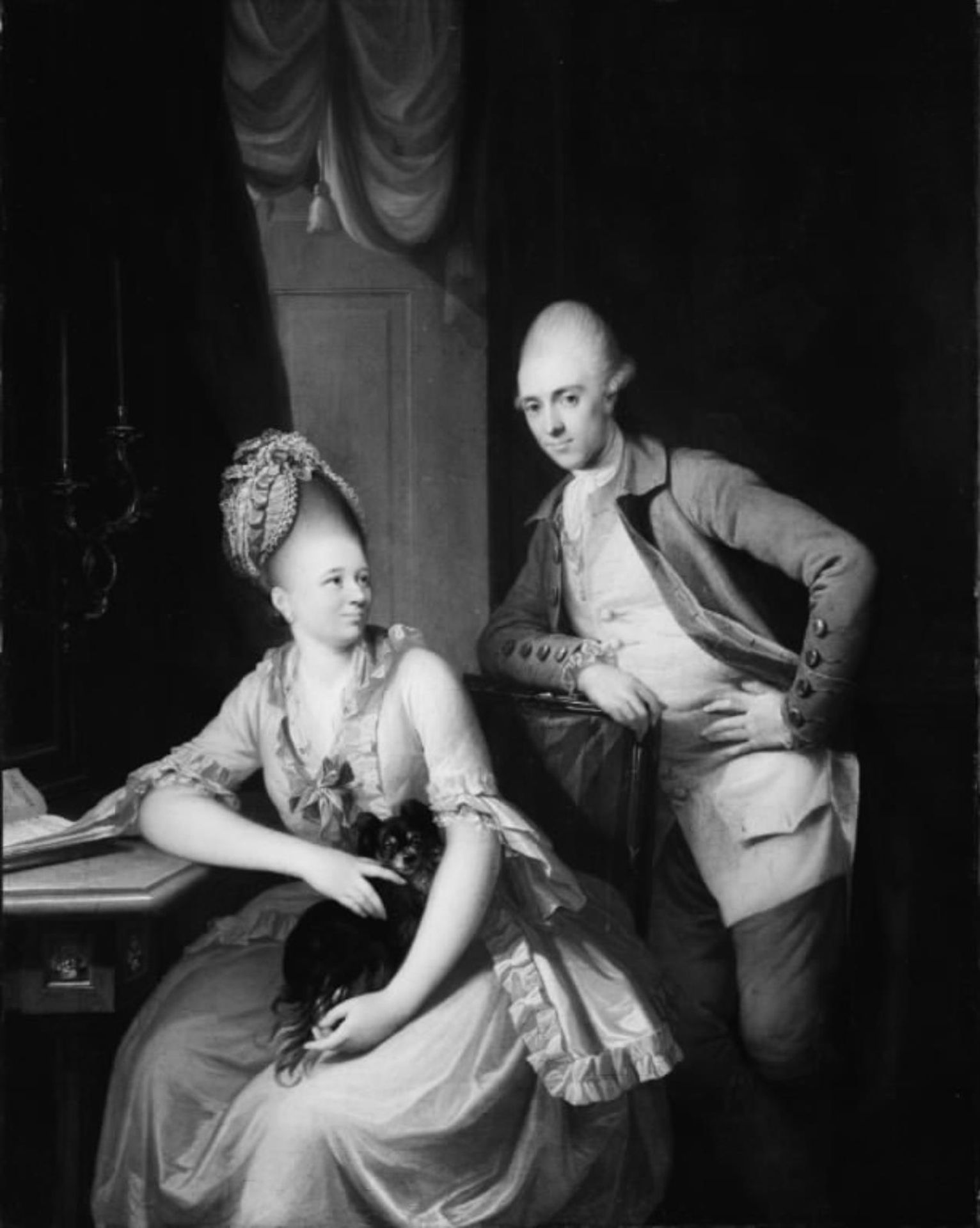
Jens Juel painted this double portrait of Colonel Jean-Jacques Gautier and his wife, capturing the spirit of their time. Observe the small dog resting in the lady's lap. This isn't just a pet; it's a symbol, a 'companion animal'. The lapdog motif traces back through centuries, recurring in art as a representation of fidelity, luxury, and domesticity. We see echoes of it in Renaissance portraits of noblewomen and even further back in ancient Roman mosaics. Yet, the symbolism shifts: from emblems of aristocratic status to signifiers of bourgeois comfort. Consider how these images shape our collective memory. The lapdog evolves, its reappearance triggering subconscious associations with wealth, companionship, and the intimate sphere of home. The dog is a powerful force engaging us on a deep, subconscious level, echoing through time.
Portrait of Colonel Jean-Jacques Gautier and His Wife
1760 - 1802


Artwork details
- Dimensions
- 78.5 cm (height) x 62 cm (width) (Netto), 92.5 cm (height) x 76.5 cm (width) (Brutto)
- Location
- SMK - Statens Museum for Kunst
Comments
Share your thoughts
About this artwork
Jens Juel painted this double portrait of Colonel Jean-Jacques Gautier and his wife, capturing the spirit of their time. Observe the small dog resting in the lady's lap. This isn't just a pet; it's a symbol, a 'companion animal'. The lapdog motif traces back through centuries, recurring in art as a representation of fidelity, luxury, and domesticity. We see echoes of it in Renaissance portraits of noblewomen and even further back in ancient Roman mosaics. Yet, the symbolism shifts: from emblems of aristocratic status to signifiers of bourgeois comfort. Consider how these images shape our collective memory. The lapdog evolves, its reappearance triggering subconscious associations with wealth, companionship, and the intimate sphere of home. The dog is a powerful force engaging us on a deep, subconscious level, echoing through time.
Comments
Share your thoughts