About this artwork
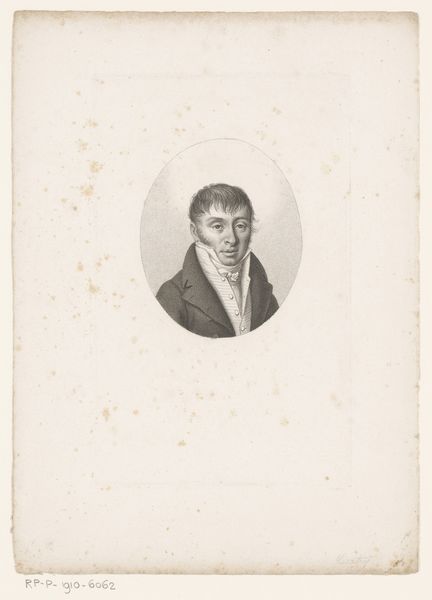
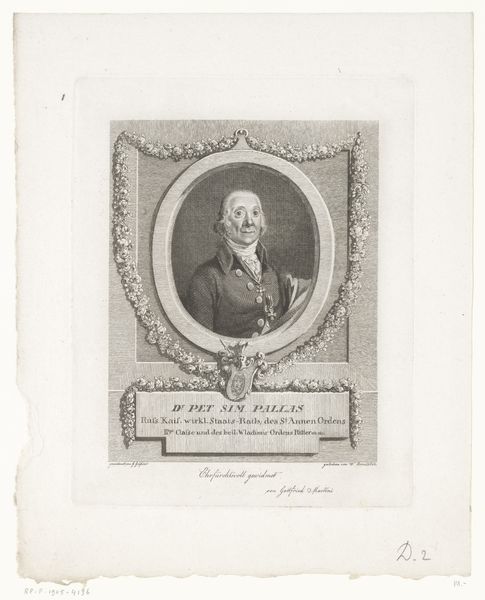
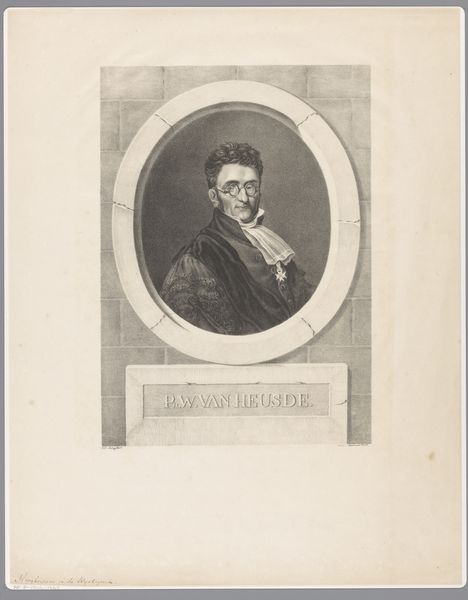
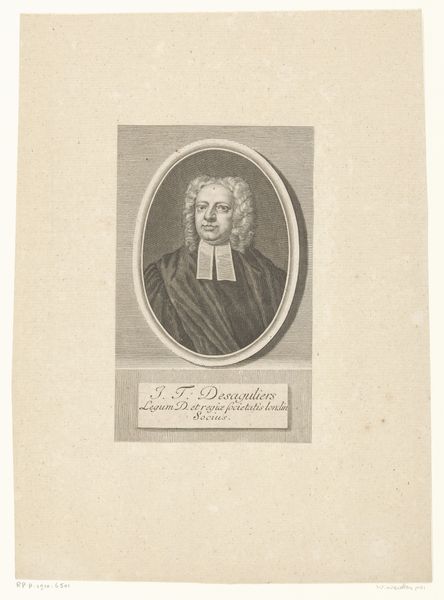
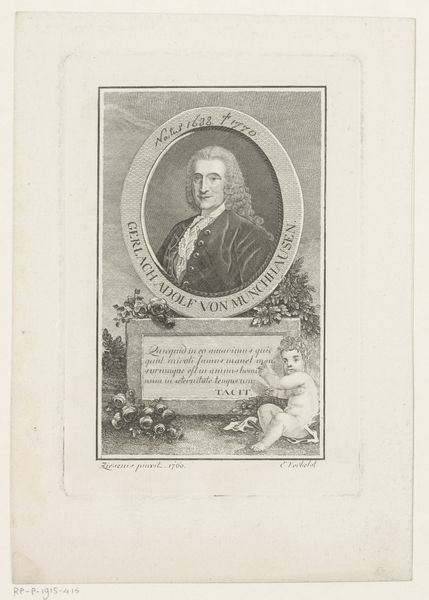
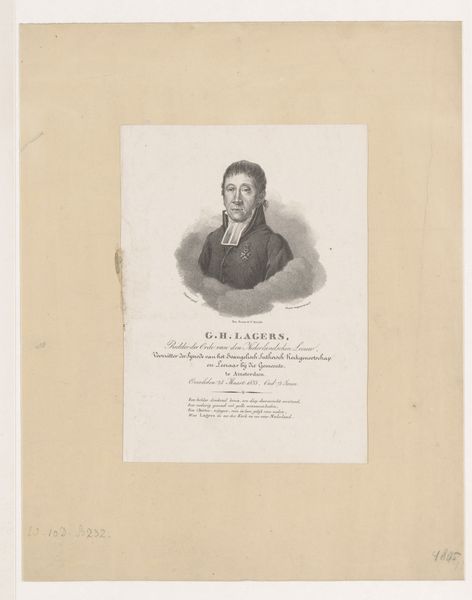
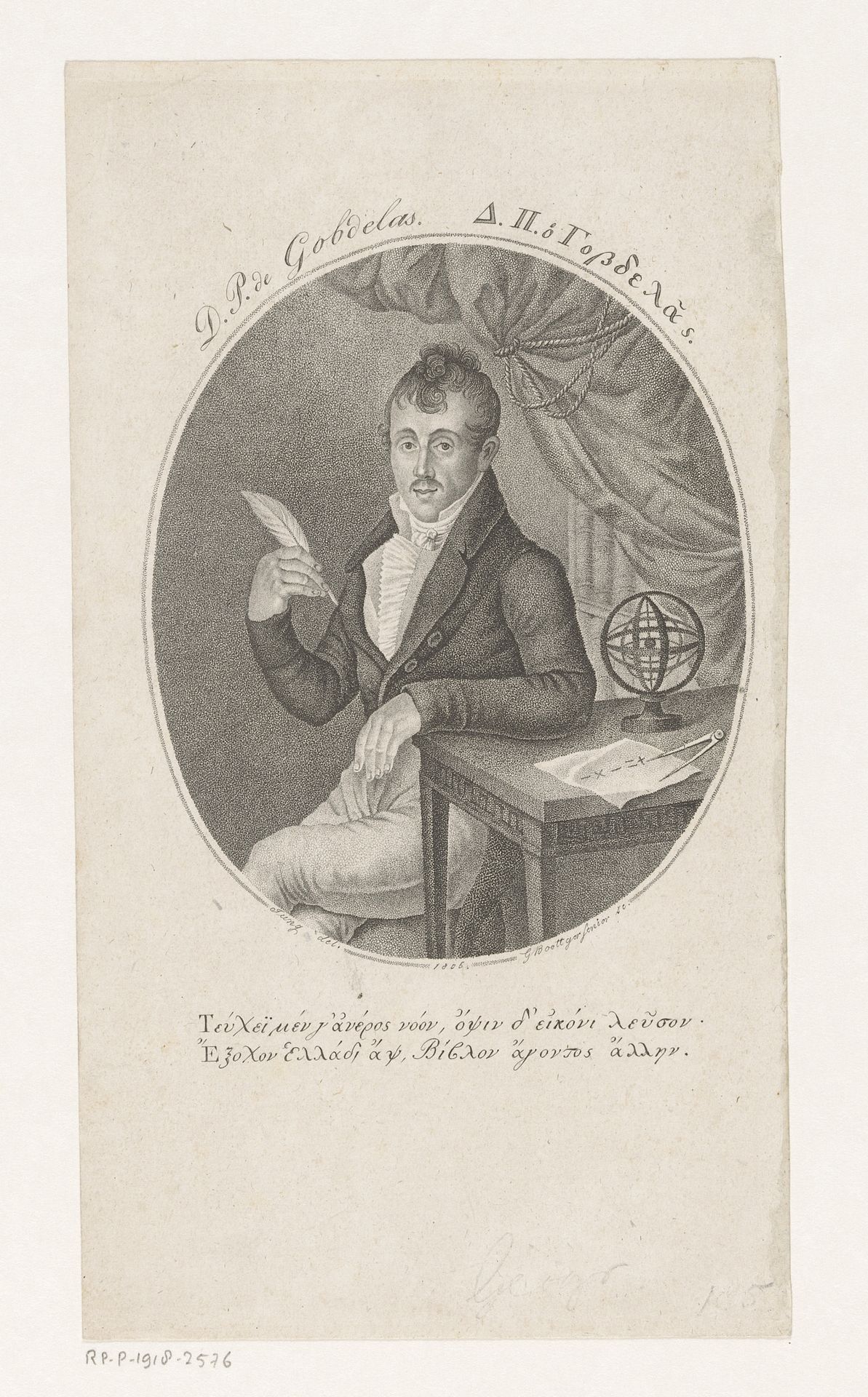
This is Johann Gottlieb Boettger's portrait of Dēmētrios Gobdelas. Crafted through meticulous stipple engraving, the print is dominated by an oval frame, neatly containing the sitter and a select array of objects. Notice how the composition is structured around a series of contrasts: the sitter is positioned in dynamic tension between the static attributes of knowledge and learning. Gobdelas is caught mid-pose, holding a quill, seated, yet seemingly ready to move. This tension is further emphasized by the interplay of light and shadow. The careful arrangement suggests a semiotic system where each element communicates status, intellect, and cultural identity. Ultimately, this portrait is a study in controlled opposition, where the formal structure serves not only to depict but to subtly construct meaning within the social and intellectual context of its time. Consider how the work invites multiple interpretations, each shaped by the viewer's own framework.

Artwork details
- Medium
- drawing, pencil
- Dimensions
- height 198 mm, width 110 mm
- Copyright
- Rijks Museum: Open Domain
Tags
portrait
pencil drawn
drawing
neoclacissism
pencil sketch
old engraving style
figuration
pencil drawing
pencil
sketchbook drawing
academic-art
Comments
Be the first to share your thoughts about this work.
About this artwork
This is Johann Gottlieb Boettger's portrait of Dēmētrios Gobdelas. Crafted through meticulous stipple engraving, the print is dominated by an oval frame, neatly containing the sitter and a select array of objects. Notice how the composition is structured around a series of contrasts: the sitter is positioned in dynamic tension between the static attributes of knowledge and learning. Gobdelas is caught mid-pose, holding a quill, seated, yet seemingly ready to move. This tension is further emphasized by the interplay of light and shadow. The careful arrangement suggests a semiotic system where each element communicates status, intellect, and cultural identity. Ultimately, this portrait is a study in controlled opposition, where the formal structure serves not only to depict but to subtly construct meaning within the social and intellectual context of its time. Consider how the work invites multiple interpretations, each shaped by the viewer's own framework.
Comments
Be the first to share your thoughts about this work.