
Curatorial notes
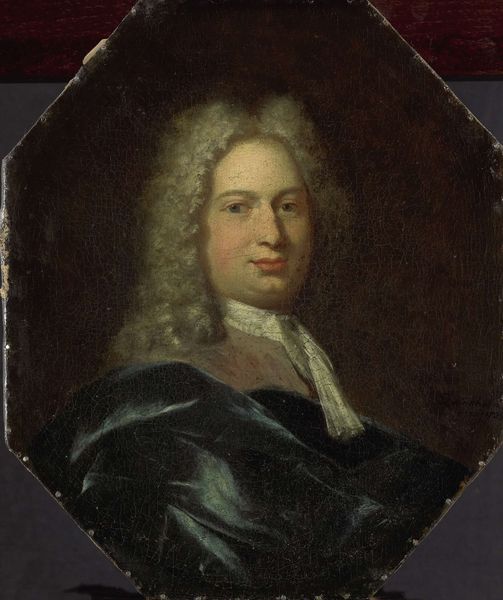
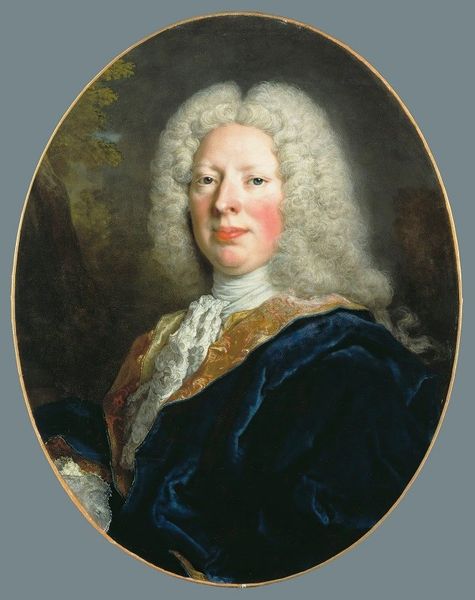
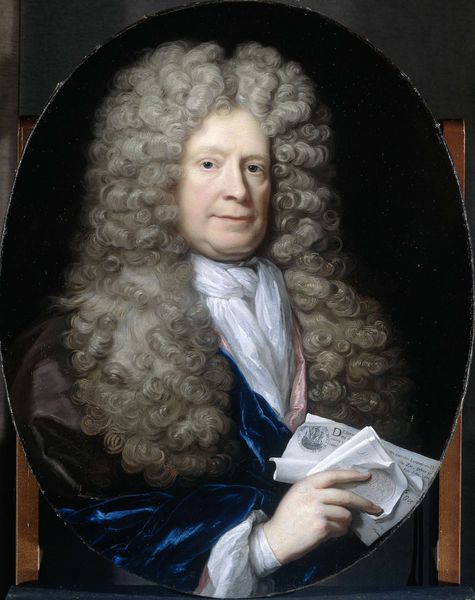
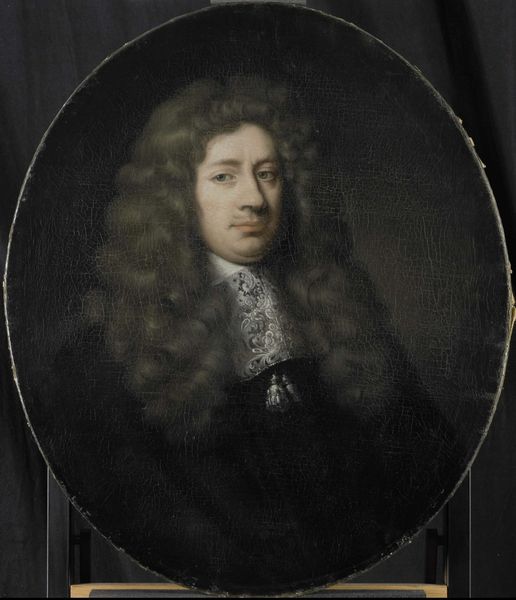
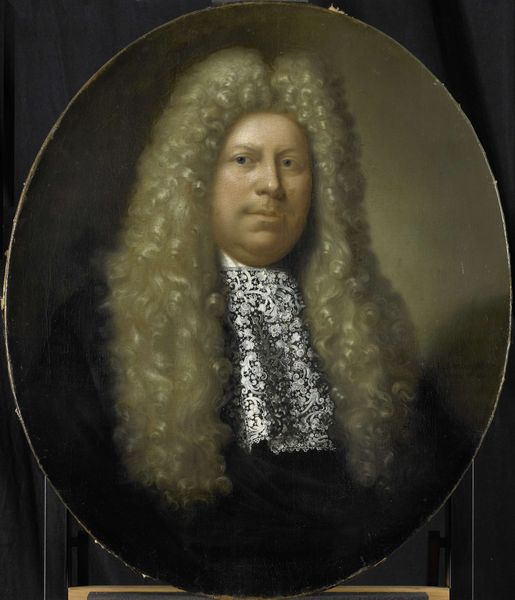
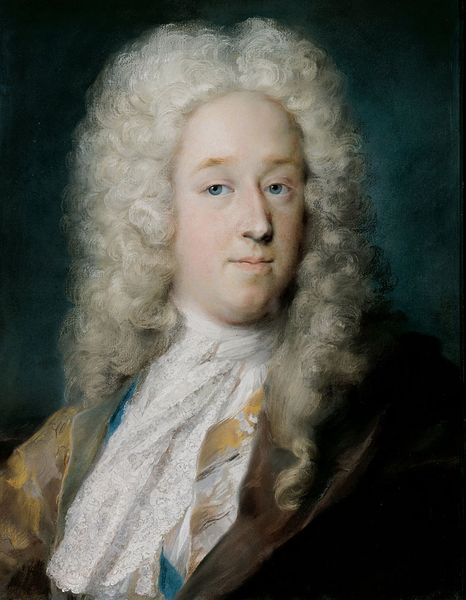
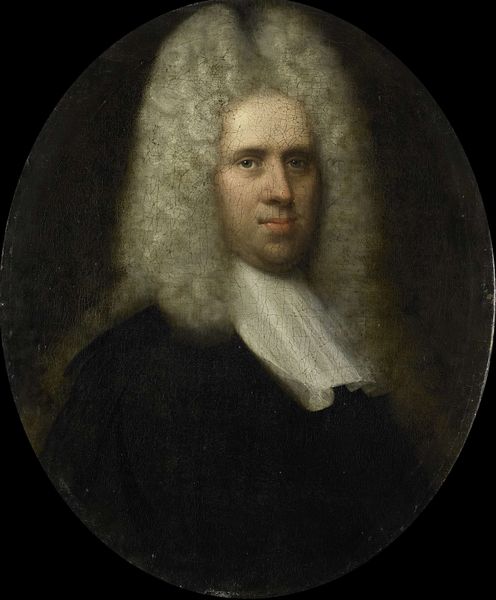
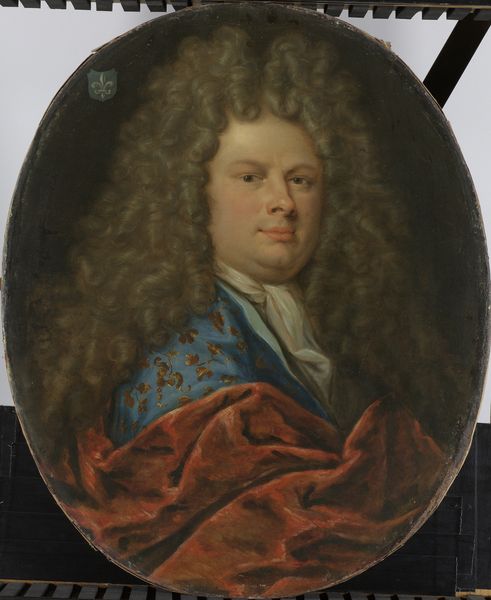
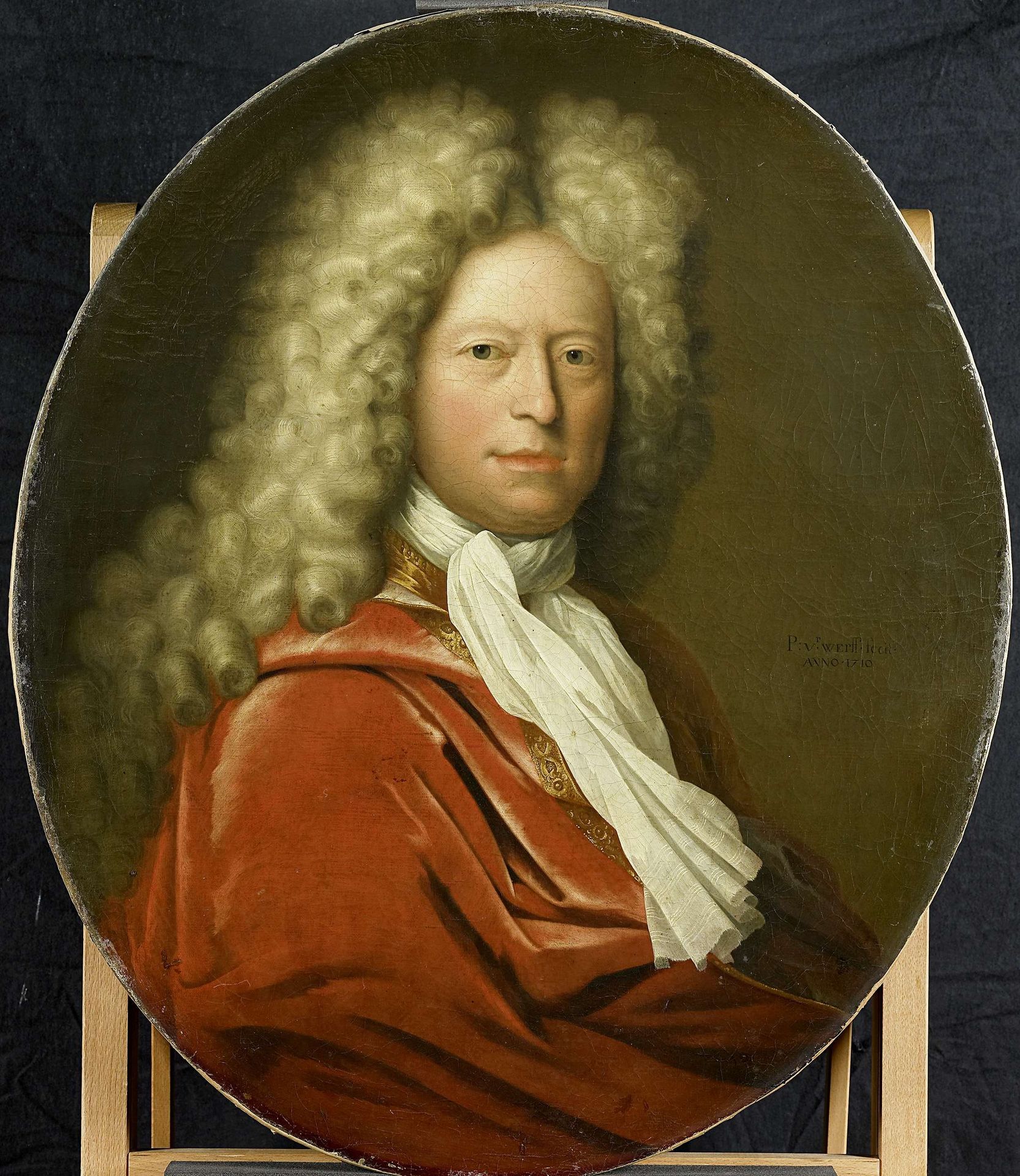
Pieter van der Werff painted this portrait of Mr. Brust in oil on canvas in the Dutch Republic. The Baroque style visually communicated status and power at the time. Note how much visual emphasis is placed on Mr. Brust's wig. A large, powdered wig like this would have been an expensive status symbol in the Dutch Republic. The flowing wig, the luxurious fabric of his cloak, and the delicate lace at his throat serve to construct an image of wealth, taste, and social standing. The Dutch Republic was a mercantile society, and the visual arts were supported by a rising middle class eager to display their success. Portraiture became an important way for individuals to assert their place in the social hierarchy. To understand a portrait like this, the historian can use sources like fashion history, social registers, and economic data to discover the subject's position in society and the ways that they wanted to be seen.