About this artwork
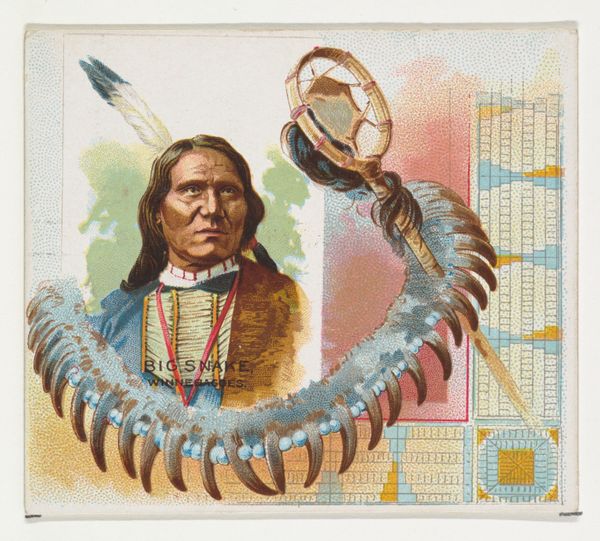
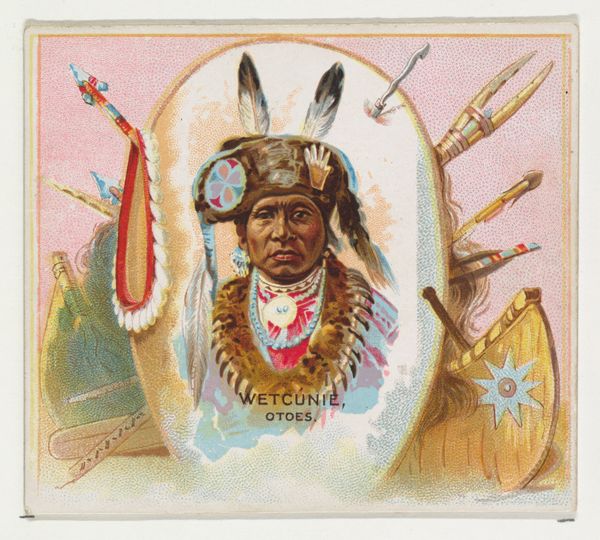
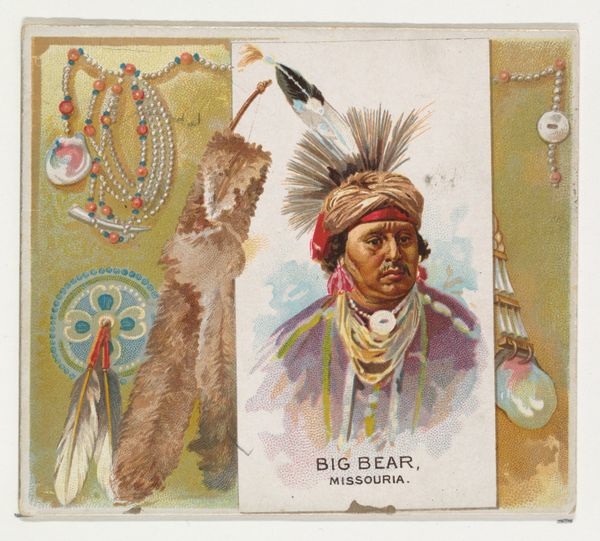
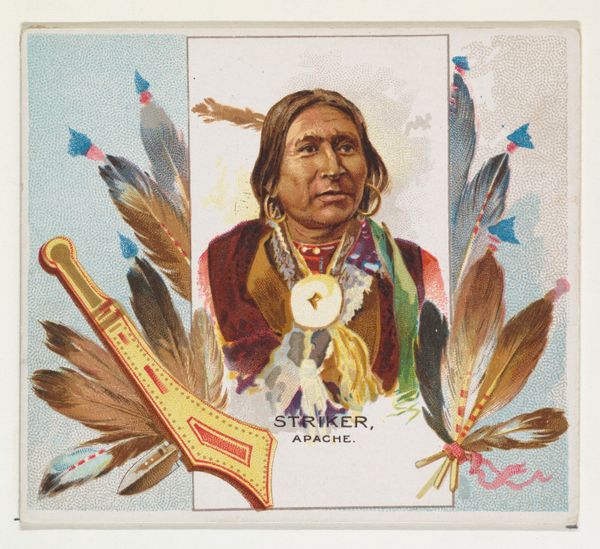
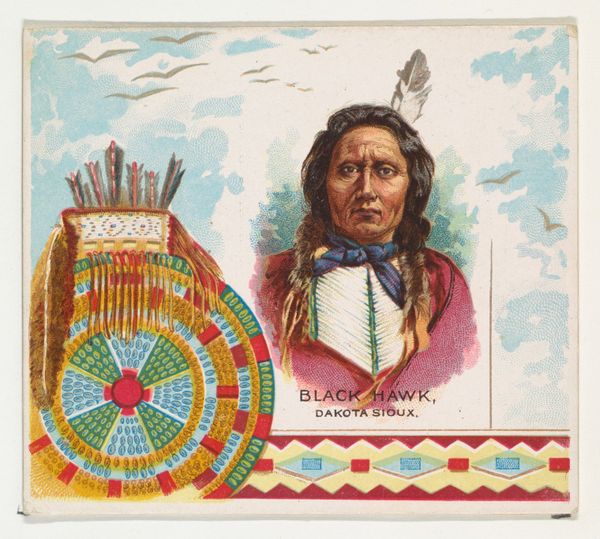
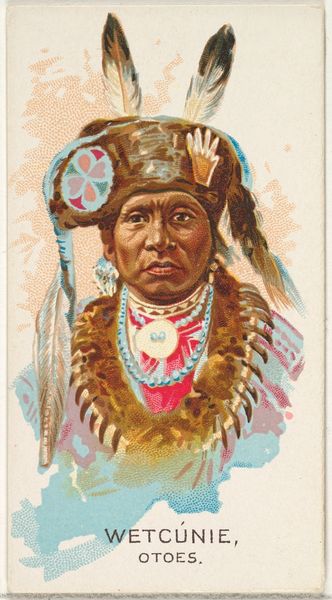
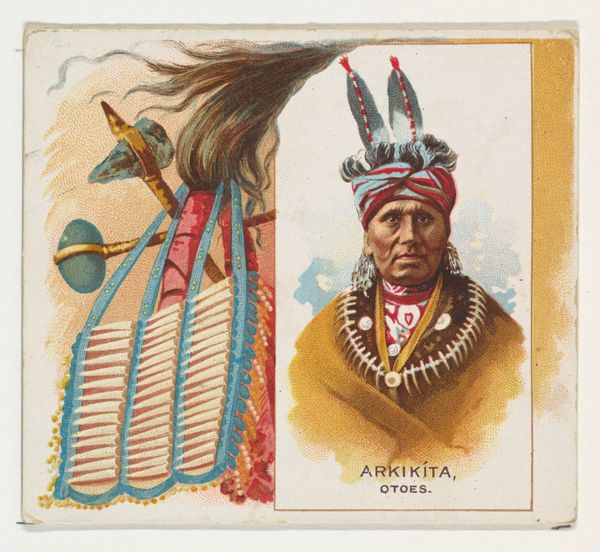
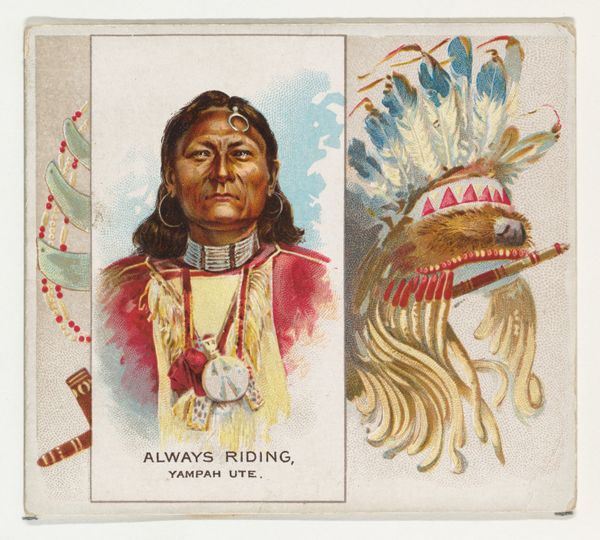
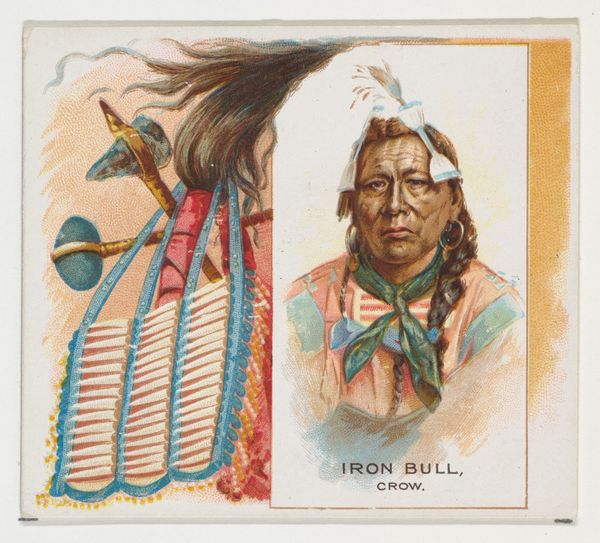
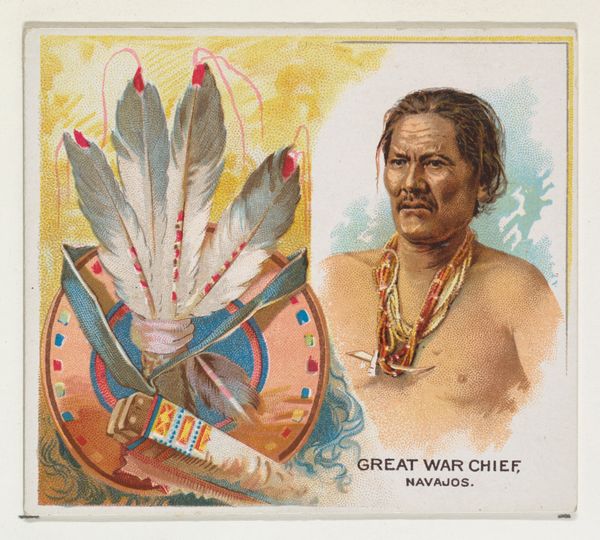
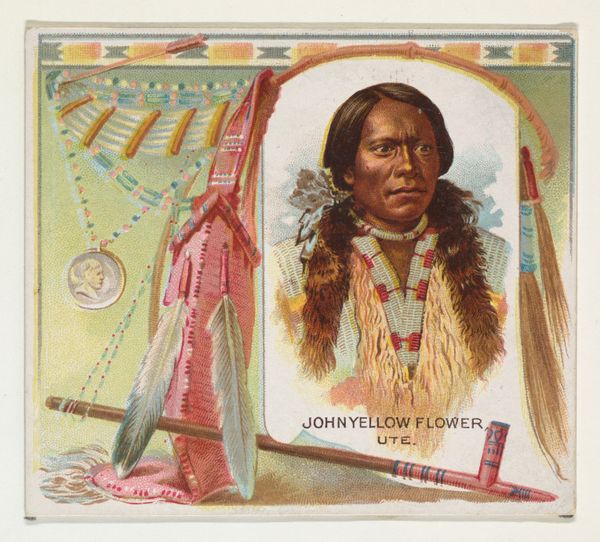
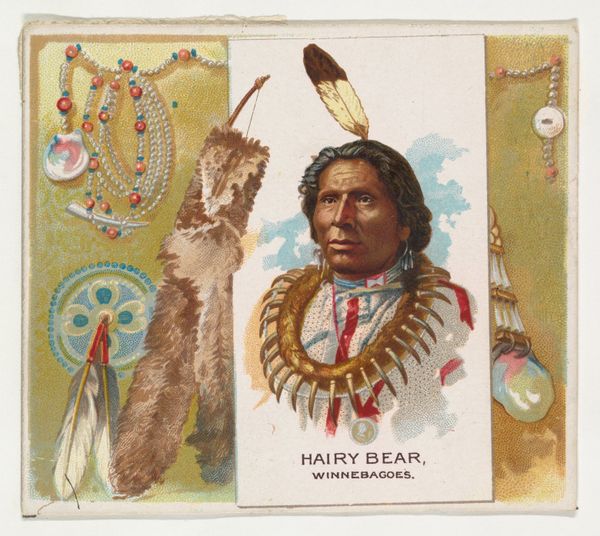
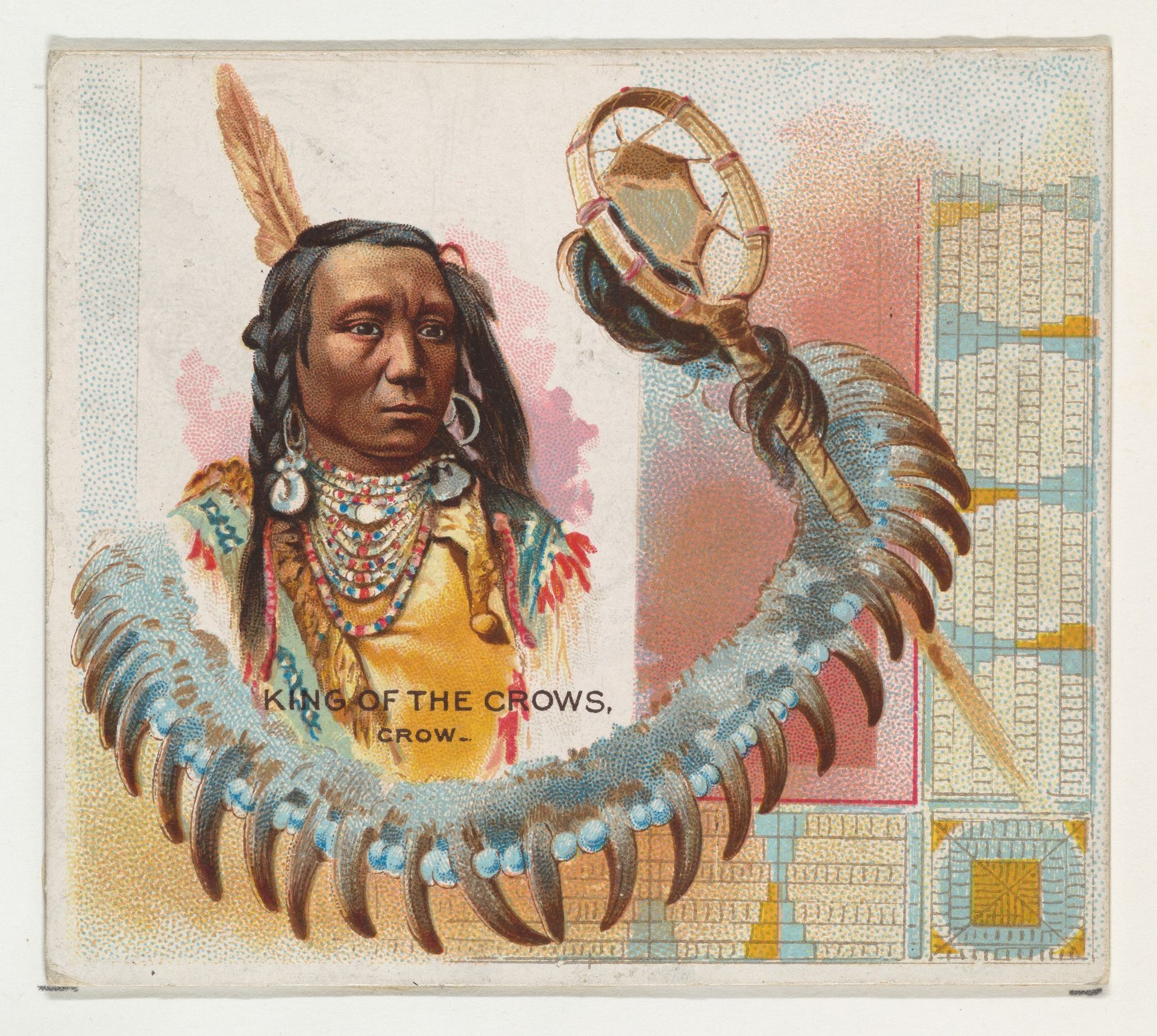
This is King of the Crows, Crow, a lithograph from the American Indian Chiefs series, created by Allen & Ginter for their cigarette brand. These cards emerged during a period of intense cultural exchange and colonial expansion. The image depicts a chief adorned with traditional garments and symbols of leadership. But consider: what does it mean to represent a culture through the lens of commercial enterprise? This card reflects a complicated narrative of cultural appreciation, and capitalist exploitation. The American Indian Chiefs series romanticizes Native American leaders, while simultaneously commodifying their image for the consumption of a largely white, consumer audience. Cards like these offer an opportunity to reflect on the complex and often contradictory ways in which cultures encounter one another, and to consider the power dynamics that shape representation.
King of the Crows, Crow, from the American Indian Chiefs series (N36) for Allen & Ginter Cigarettes
1888


Artwork details
- Medium
- drawing, coloured-pencil, print
- Dimensions
- Sheet: 2 7/8 x 3 1/4 in. (7.3 x 8.3 cm)
- Location
- Metropolitan Museum of Art, New York, NY
- Copyright
- Public Domain
Tags
Comments
Share your thoughts
About this artwork
This is King of the Crows, Crow, a lithograph from the American Indian Chiefs series, created by Allen & Ginter for their cigarette brand. These cards emerged during a period of intense cultural exchange and colonial expansion. The image depicts a chief adorned with traditional garments and symbols of leadership. But consider: what does it mean to represent a culture through the lens of commercial enterprise? This card reflects a complicated narrative of cultural appreciation, and capitalist exploitation. The American Indian Chiefs series romanticizes Native American leaders, while simultaneously commodifying their image for the consumption of a largely white, consumer audience. Cards like these offer an opportunity to reflect on the complex and often contradictory ways in which cultures encounter one another, and to consider the power dynamics that shape representation.
Comments
Share your thoughts