About this artwork
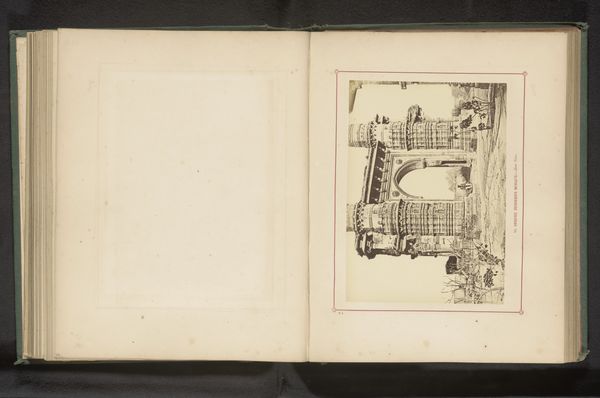
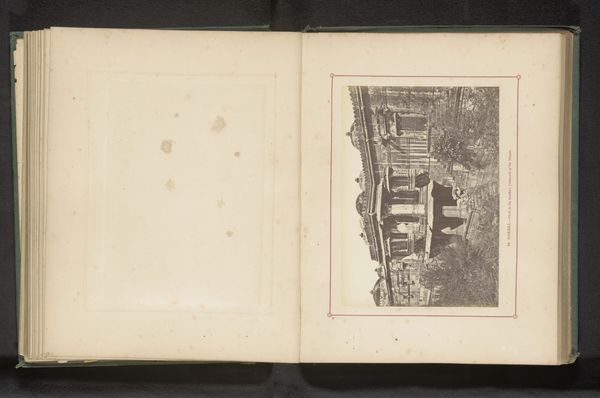
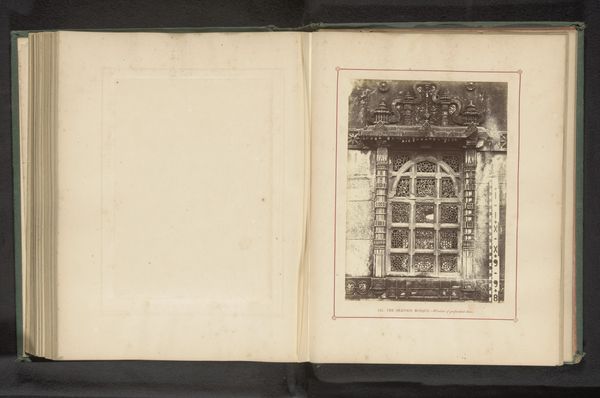
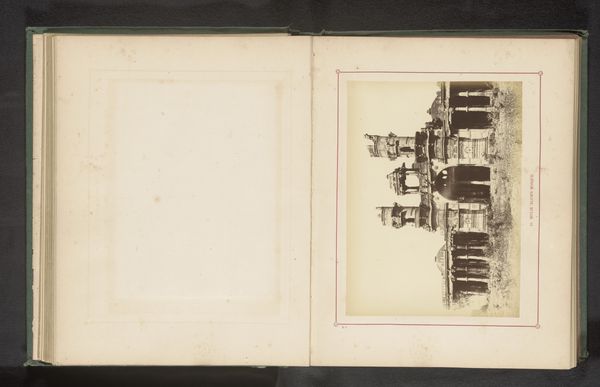
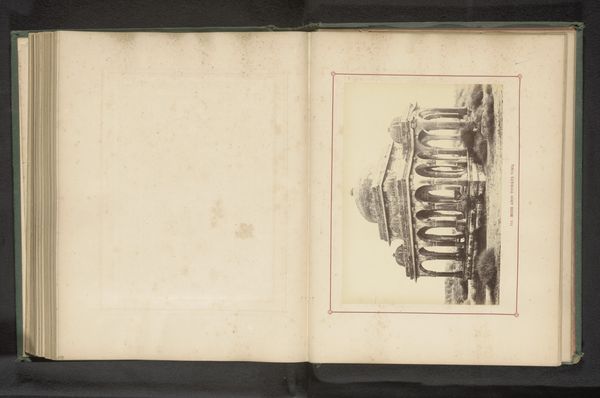
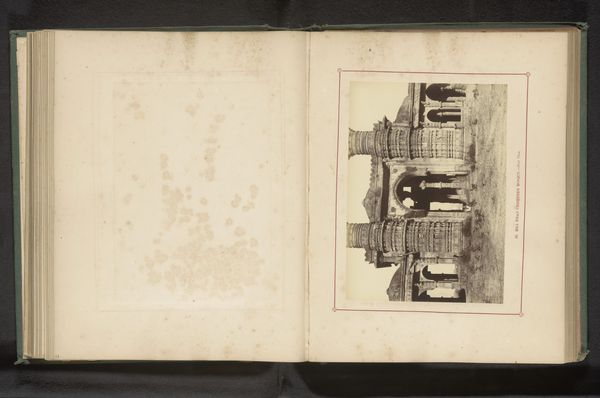
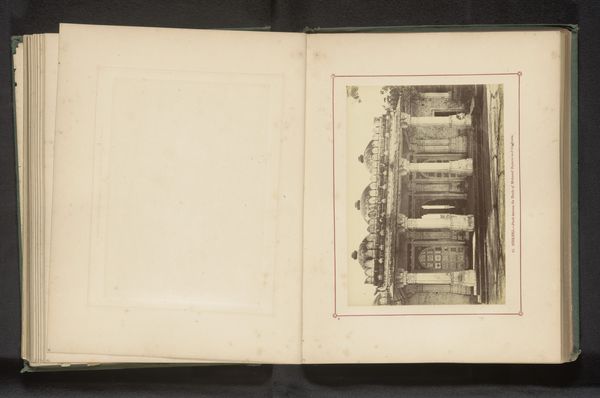
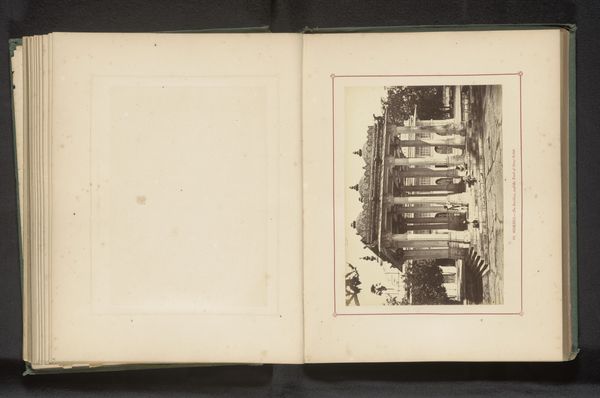
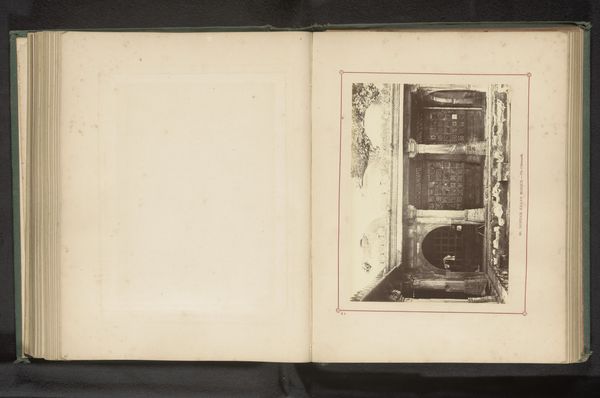
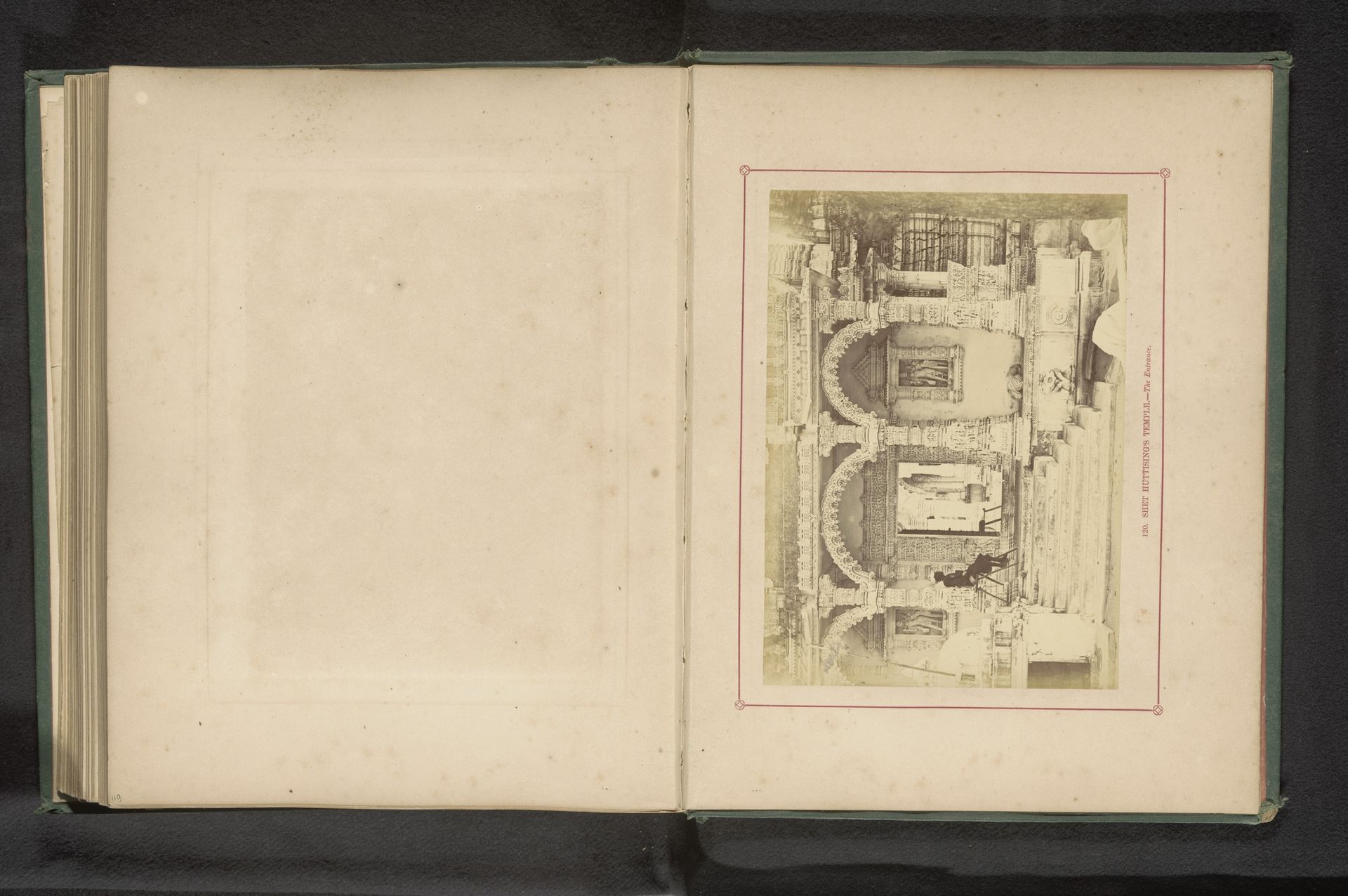
This is Thomas Biggs's "Gezicht op de ingang van de Hutheesingtempel in Ahmedabad," a photograph which presents the entrance of the Hutheesing Temple. Biggs, as a photographer working in India, was part of a complex colonial history. While he documented architectural marvels, his work was also intertwined with the British Empire's project of knowledge production and control over the Indian subcontinent. The Hutheesing Temple, built by a wealthy Jain merchant as a dedication to the Jain Dharmanath, stands as a symbol of religious devotion and philanthropy. Consider how photography at this time served as a tool for the Western gaze, framing and capturing cultures. While celebrating the temple's beauty, we also must reflect on the power dynamics inherent in how such images were produced and consumed. The photograph captures a moment in time, inviting us to consider the layers of history and representation embedded within it.
Gezicht op de ingang van de Hutheesingtempel in Ahmedabad
before 1866

Artwork details
- Medium
- print, photography, albumen-print
- Dimensions
- height 136 mm, width 188 mm
- Copyright
- Rijks Museum: Open Domain
Tags
Comments
Share your thoughts
About this artwork
This is Thomas Biggs's "Gezicht op de ingang van de Hutheesingtempel in Ahmedabad," a photograph which presents the entrance of the Hutheesing Temple. Biggs, as a photographer working in India, was part of a complex colonial history. While he documented architectural marvels, his work was also intertwined with the British Empire's project of knowledge production and control over the Indian subcontinent. The Hutheesing Temple, built by a wealthy Jain merchant as a dedication to the Jain Dharmanath, stands as a symbol of religious devotion and philanthropy. Consider how photography at this time served as a tool for the Western gaze, framing and capturing cultures. While celebrating the temple's beauty, we also must reflect on the power dynamics inherent in how such images were produced and consumed. The photograph captures a moment in time, inviting us to consider the layers of history and representation embedded within it.
Comments
Share your thoughts