About this artwork
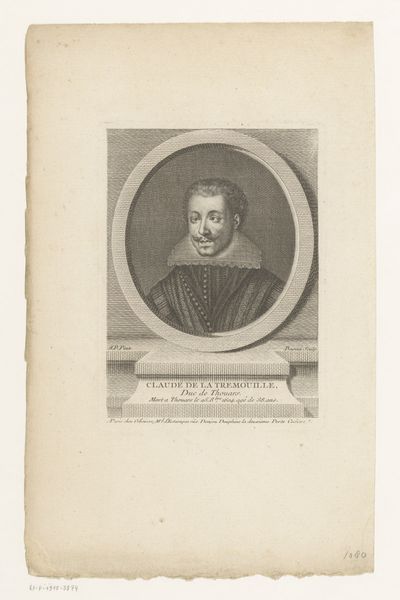
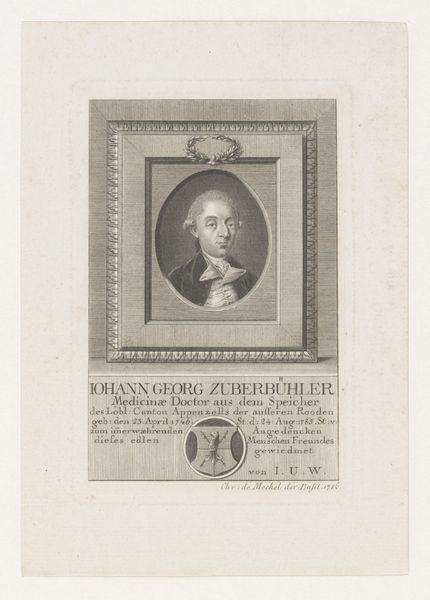
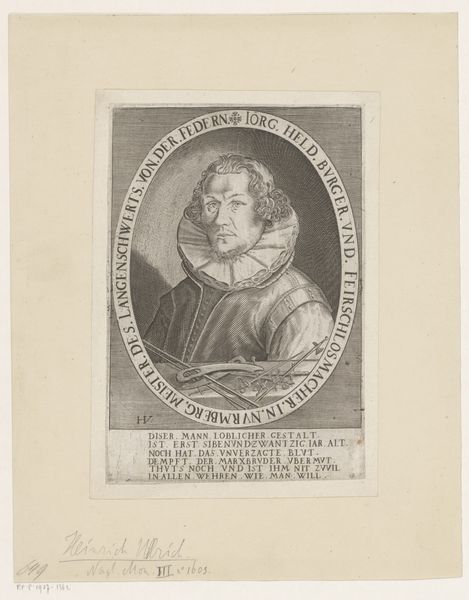
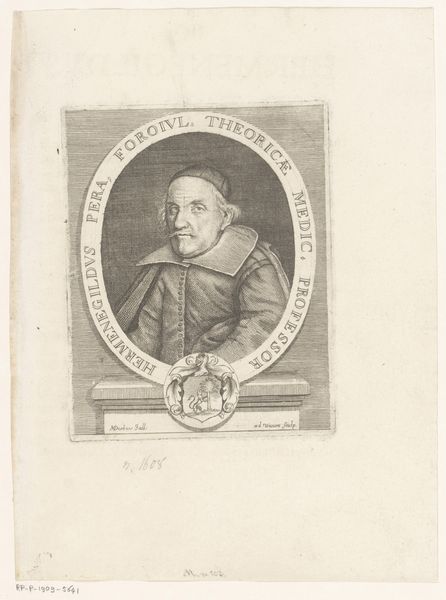
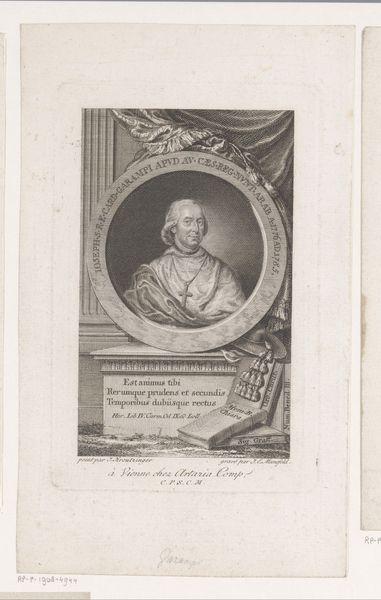
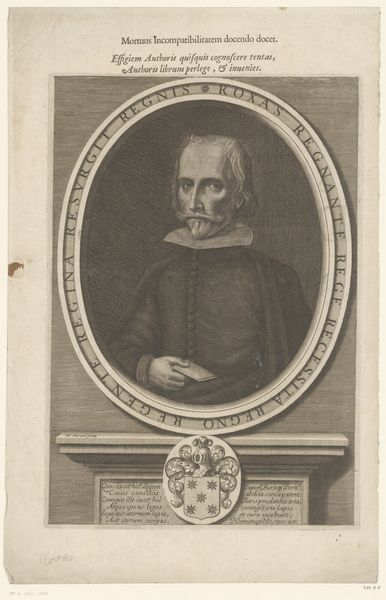
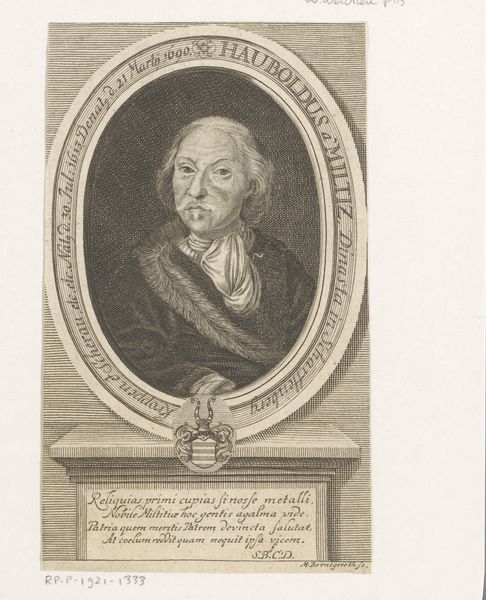
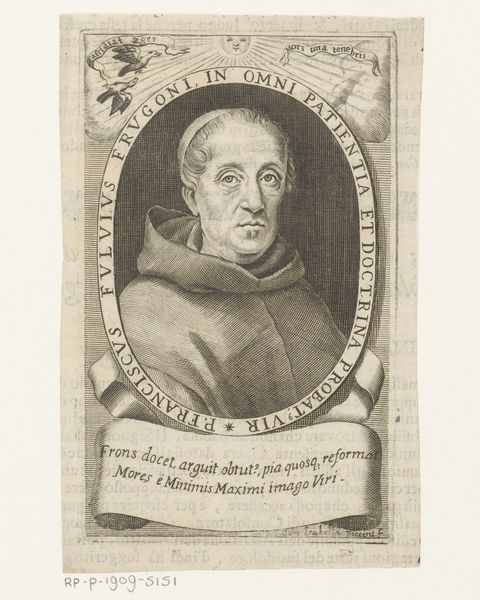
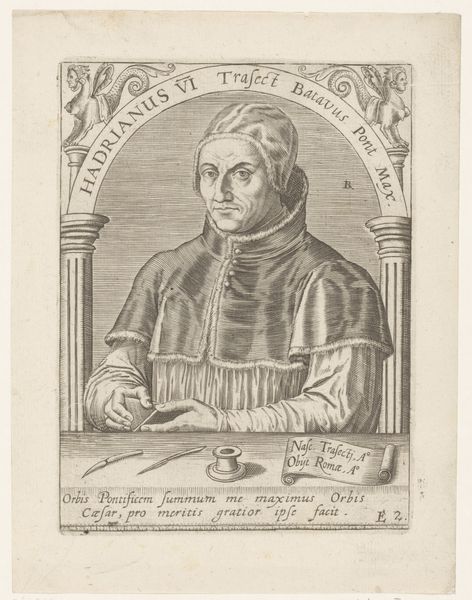
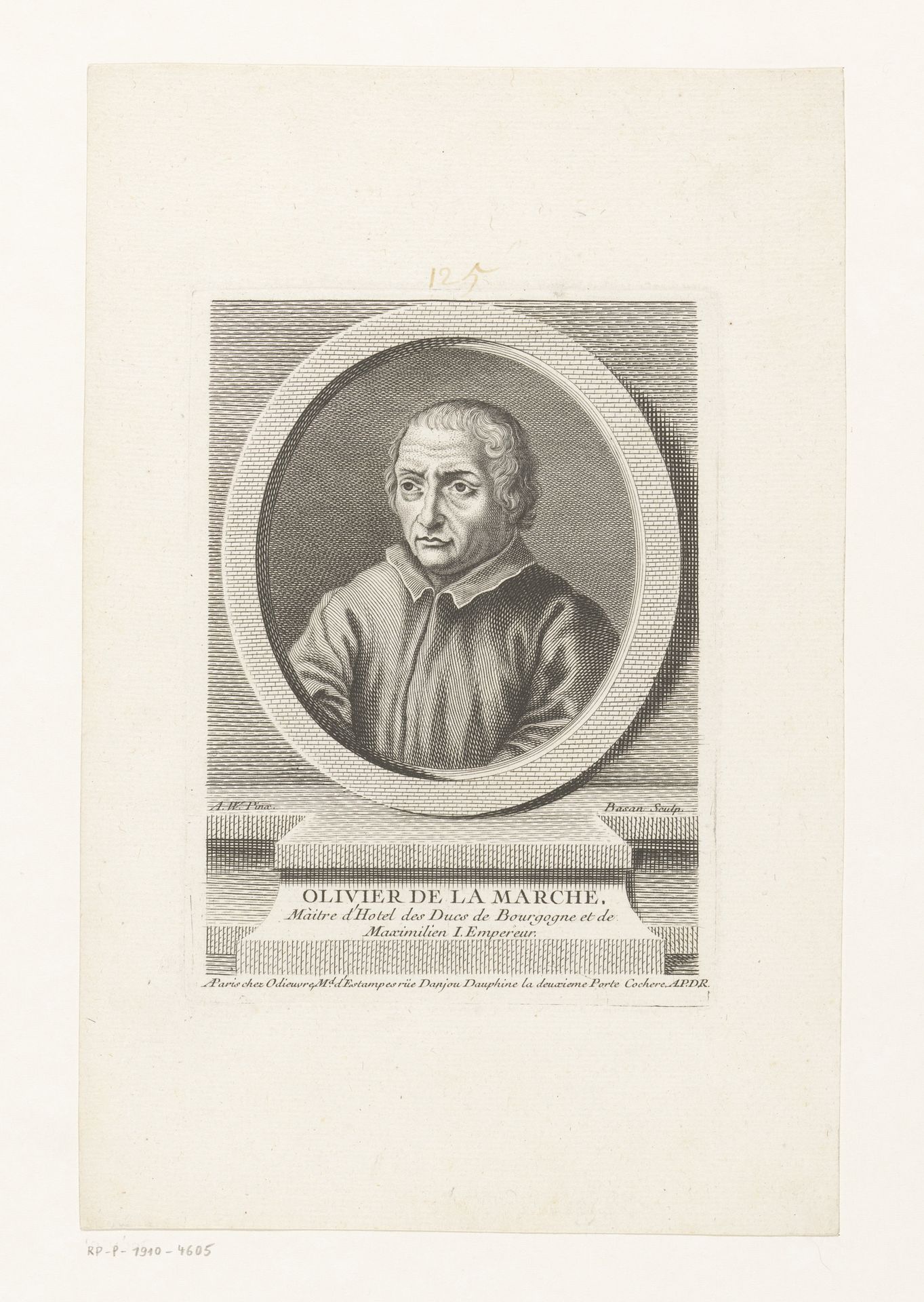
This engraving, crafted by Pierre François Basan, presents a portrait of Olivier de la Marche. Encased in an oval frame, a shape echoing the Renaissance interest in classical antiquity and its cyclical view of history, it invites us to consider the echoes of time. The frame itself, a motif reminiscent of ancient Roman portraiture, carries with it the weight of history, evoking the faces of emperors and philosophers of old. Here, it serves to elevate Olivier de la Marche, placing him within a lineage of celebrated figures. This act of framing, though seemingly simple, speaks to a deeper human desire: to preserve, to commemorate, and to connect with those who came before us. Consider how such visual languages persist. The classical frame resurfaces in funerary art, echoing the Renaissance interest in antiquity and its cyclical view of history. This emblem takes on new meanings, perpetually reinvented, each time resonating with cultural memory. This continuous rebirth illustrates how symbols tap into our collective consciousness, forever shaping our perceptions.
Portret van Olivier de La Marche
1733 - 1756

Pierre François Basan
1723 - 1797Location
RijksmuseumArtwork details
- Medium
- print, metal, engraving
- Dimensions
- height 150 mm, width 112 mm
- Location
- Rijksmuseum
- Copyright
- Rijks Museum: Open Domain
Tags
Comments
Share your thoughts
About this artwork
This engraving, crafted by Pierre François Basan, presents a portrait of Olivier de la Marche. Encased in an oval frame, a shape echoing the Renaissance interest in classical antiquity and its cyclical view of history, it invites us to consider the echoes of time. The frame itself, a motif reminiscent of ancient Roman portraiture, carries with it the weight of history, evoking the faces of emperors and philosophers of old. Here, it serves to elevate Olivier de la Marche, placing him within a lineage of celebrated figures. This act of framing, though seemingly simple, speaks to a deeper human desire: to preserve, to commemorate, and to connect with those who came before us. Consider how such visual languages persist. The classical frame resurfaces in funerary art, echoing the Renaissance interest in antiquity and its cyclical view of history. This emblem takes on new meanings, perpetually reinvented, each time resonating with cultural memory. This continuous rebirth illustrates how symbols tap into our collective consciousness, forever shaping our perceptions.
Comments
Share your thoughts