About this artwork
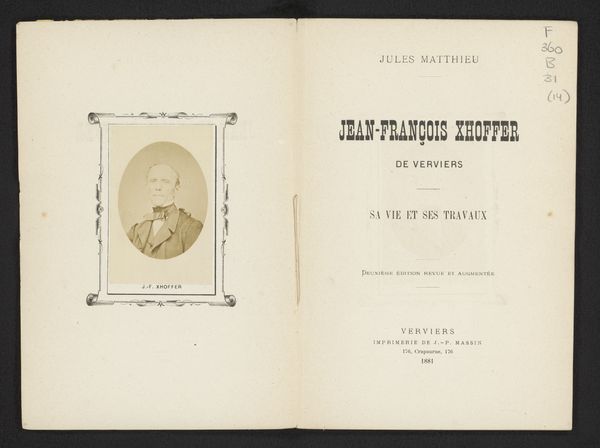
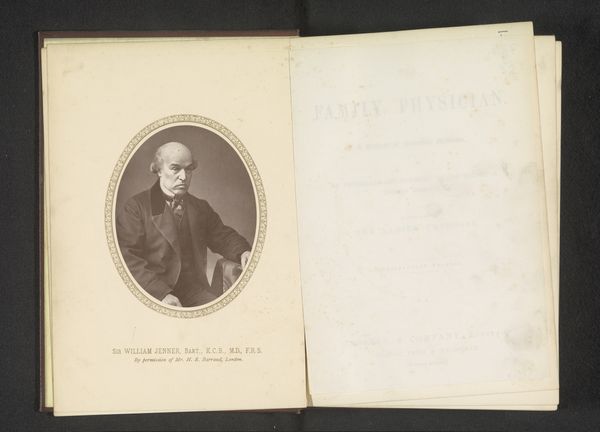
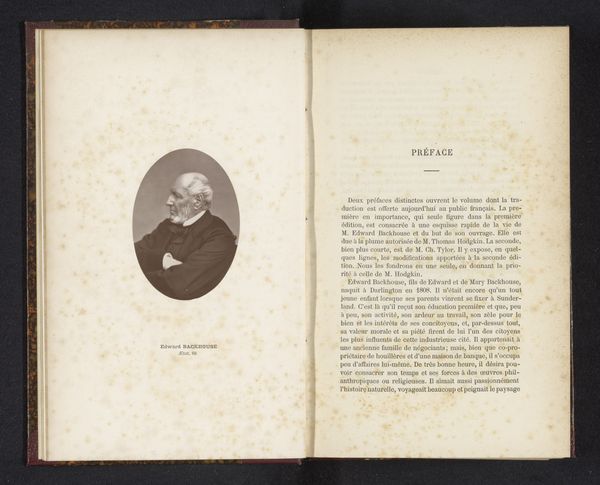
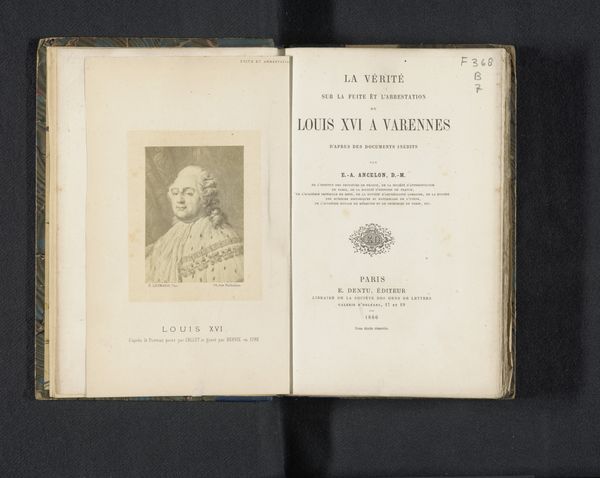
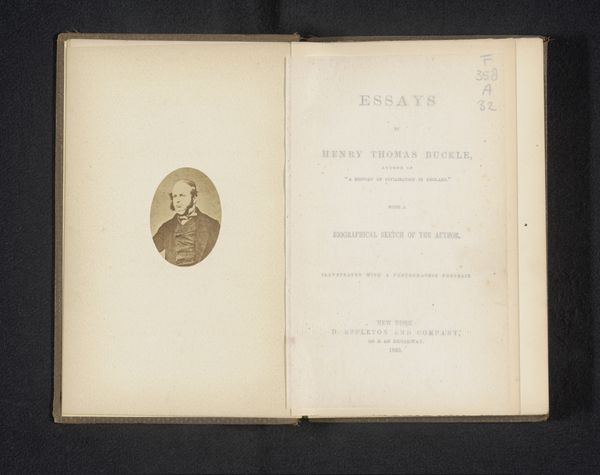
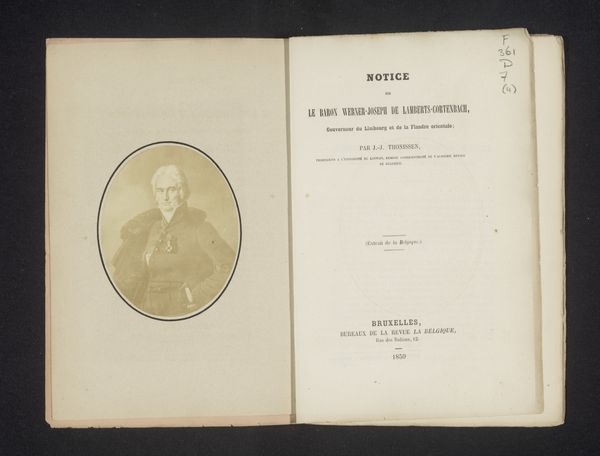
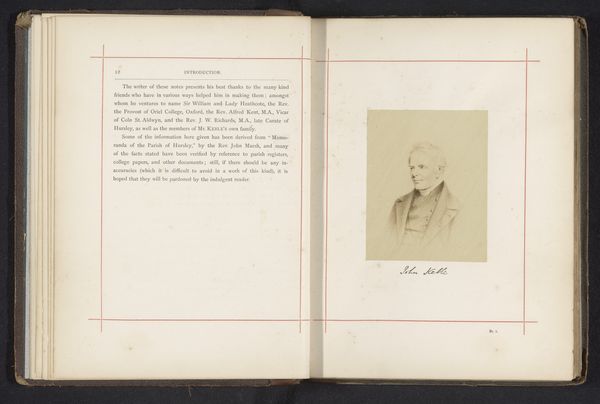
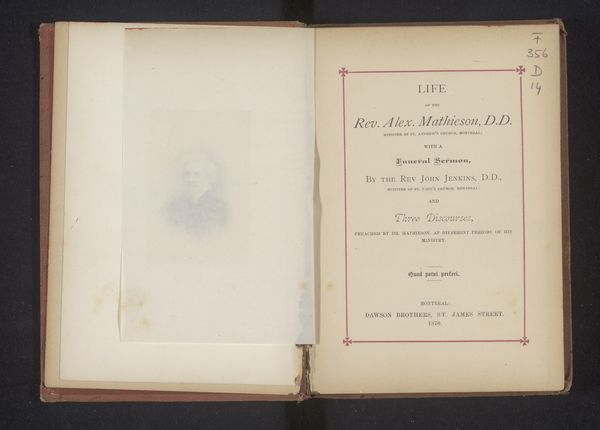
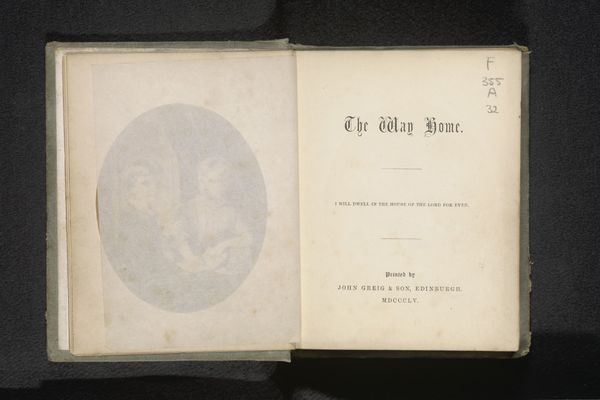
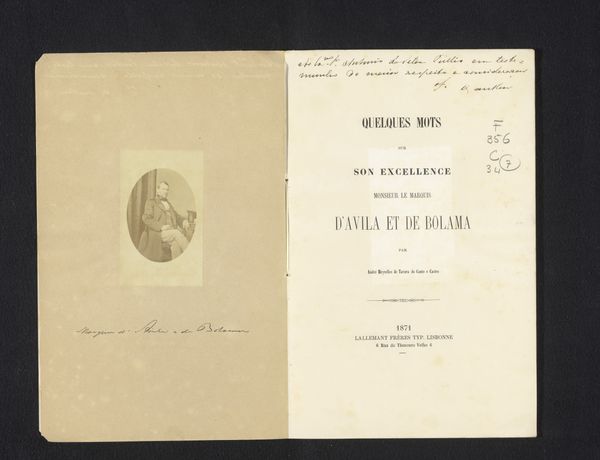
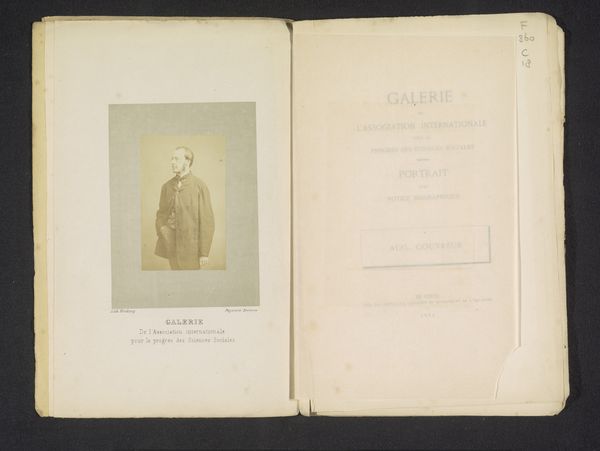
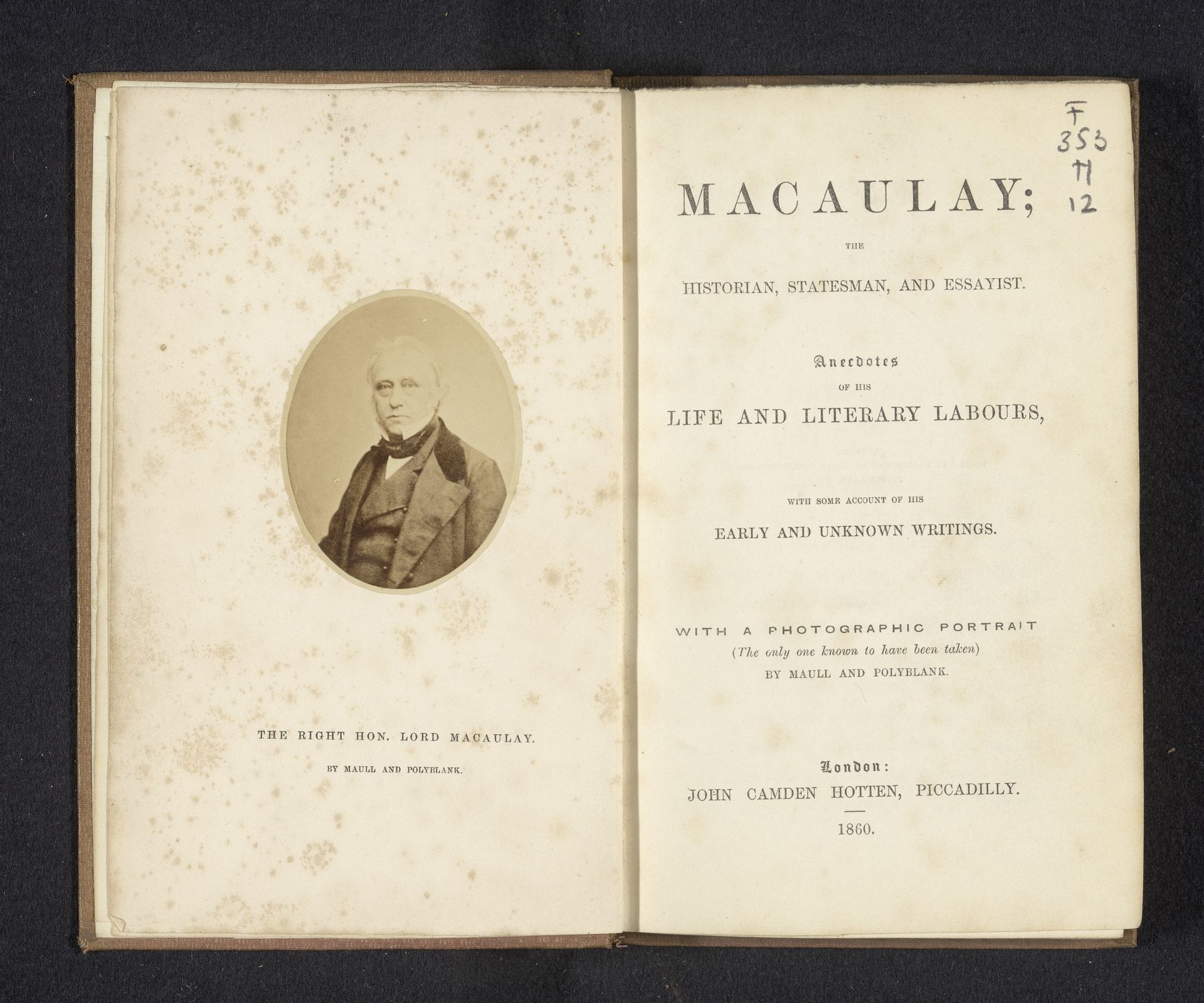
This photographic portrait of Lord Macaulay by Maull & Polyblank in 1860 presents us with more than just an image of a man; it offers a glimpse into the symbolic weight of representation itself. Note the oval frame enclosing Macaulay, a motif that harkens back to classical portraiture, suggesting dignity and timelessness. This shape, seen in ancient cameos and Renaissance paintings, elevates the subject, imbuing him with historical importance. Yet, with the advent of photography, this symbol transitions. Consider the book itself – a vessel of knowledge, but here, also a reliquary for an image. The portrait within becomes an object of veneration, not unlike a saint's icon. The act of capturing and preserving an image evolves into a ritual, transforming our perception of the subject across generations. The symbols of status, the gaze, the book - are not static but dynamic, constantly shifting in meaning as they resurface across the vast canvas of cultural memory.

Artwork details
- Medium
- print, photography
- Dimensions
- height 59 mm, width 47 mm
- Copyright
- Rijks Museum: Open Domain
Tags
Comments
Share your thoughts
About this artwork
This photographic portrait of Lord Macaulay by Maull & Polyblank in 1860 presents us with more than just an image of a man; it offers a glimpse into the symbolic weight of representation itself. Note the oval frame enclosing Macaulay, a motif that harkens back to classical portraiture, suggesting dignity and timelessness. This shape, seen in ancient cameos and Renaissance paintings, elevates the subject, imbuing him with historical importance. Yet, with the advent of photography, this symbol transitions. Consider the book itself – a vessel of knowledge, but here, also a reliquary for an image. The portrait within becomes an object of veneration, not unlike a saint's icon. The act of capturing and preserving an image evolves into a ritual, transforming our perception of the subject across generations. The symbols of status, the gaze, the book - are not static but dynamic, constantly shifting in meaning as they resurface across the vast canvas of cultural memory.
Comments
Share your thoughts