About this artwork
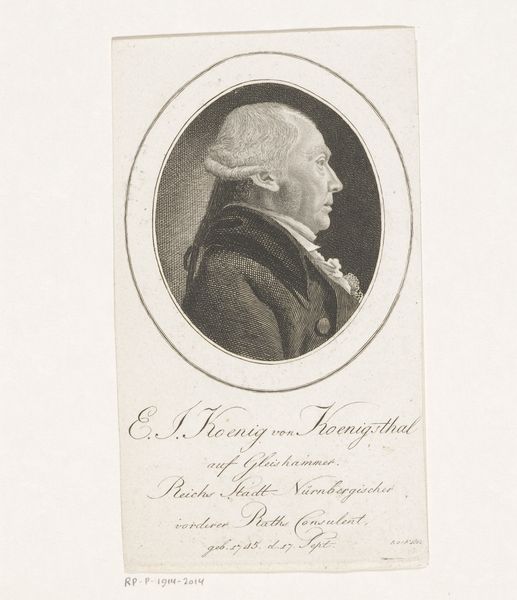
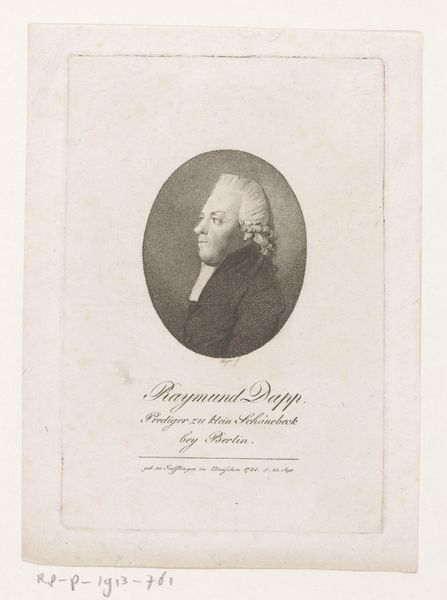
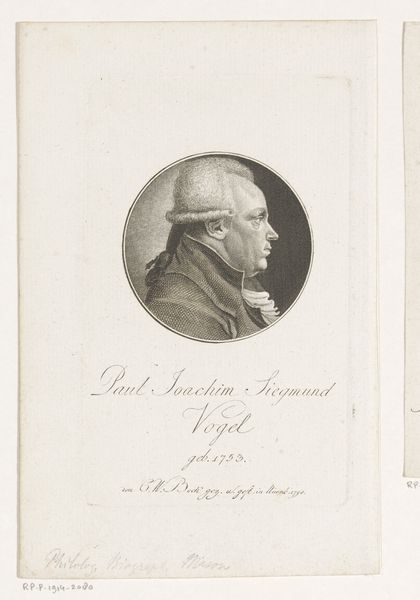
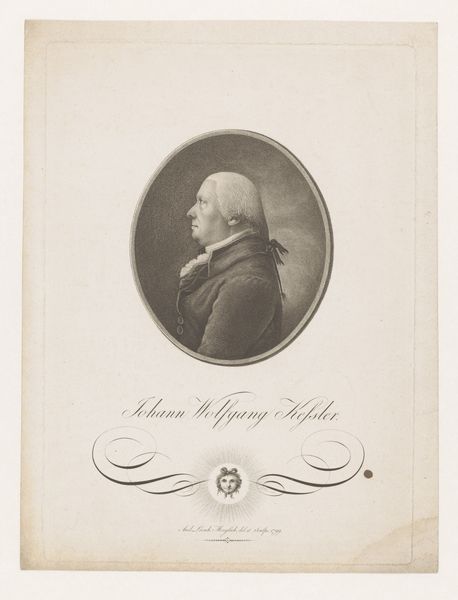
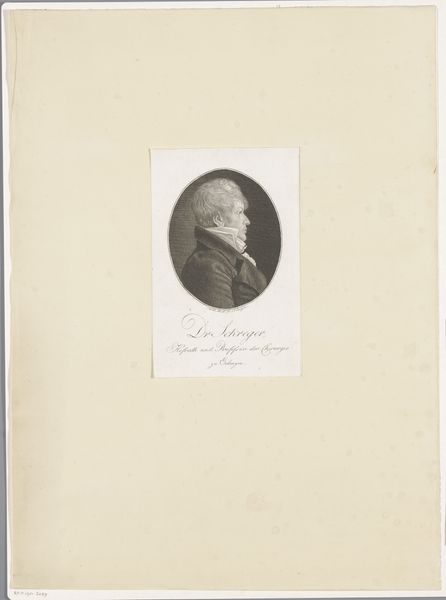
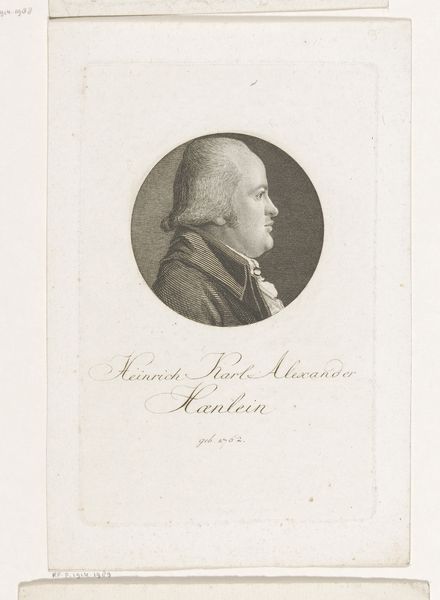
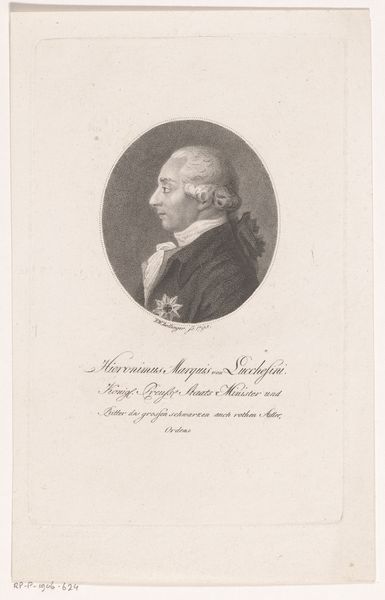
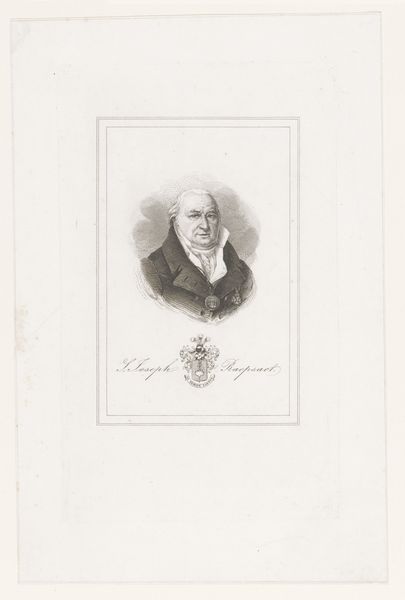
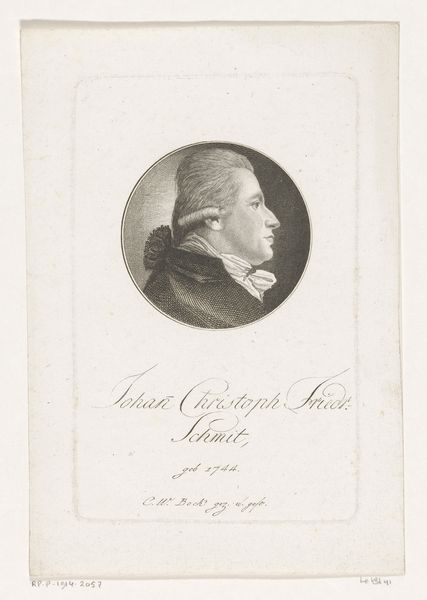
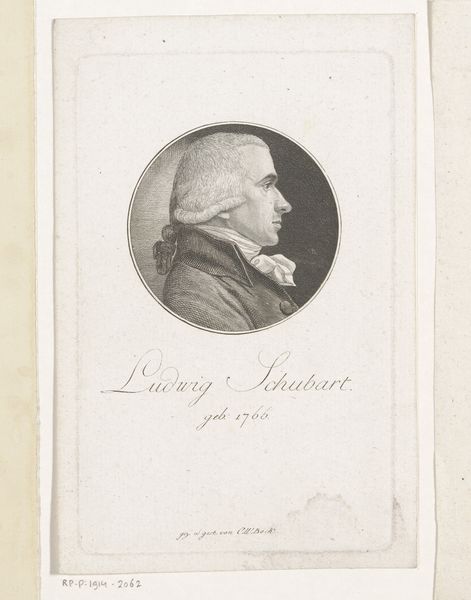
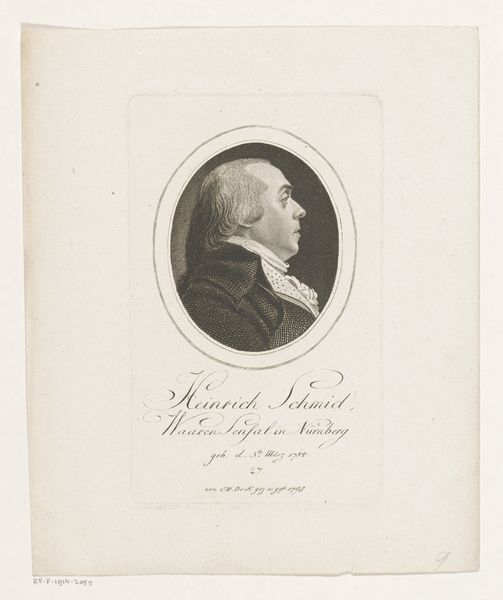
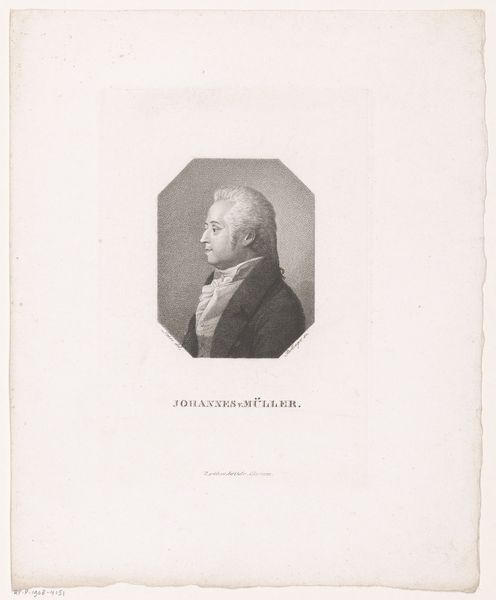
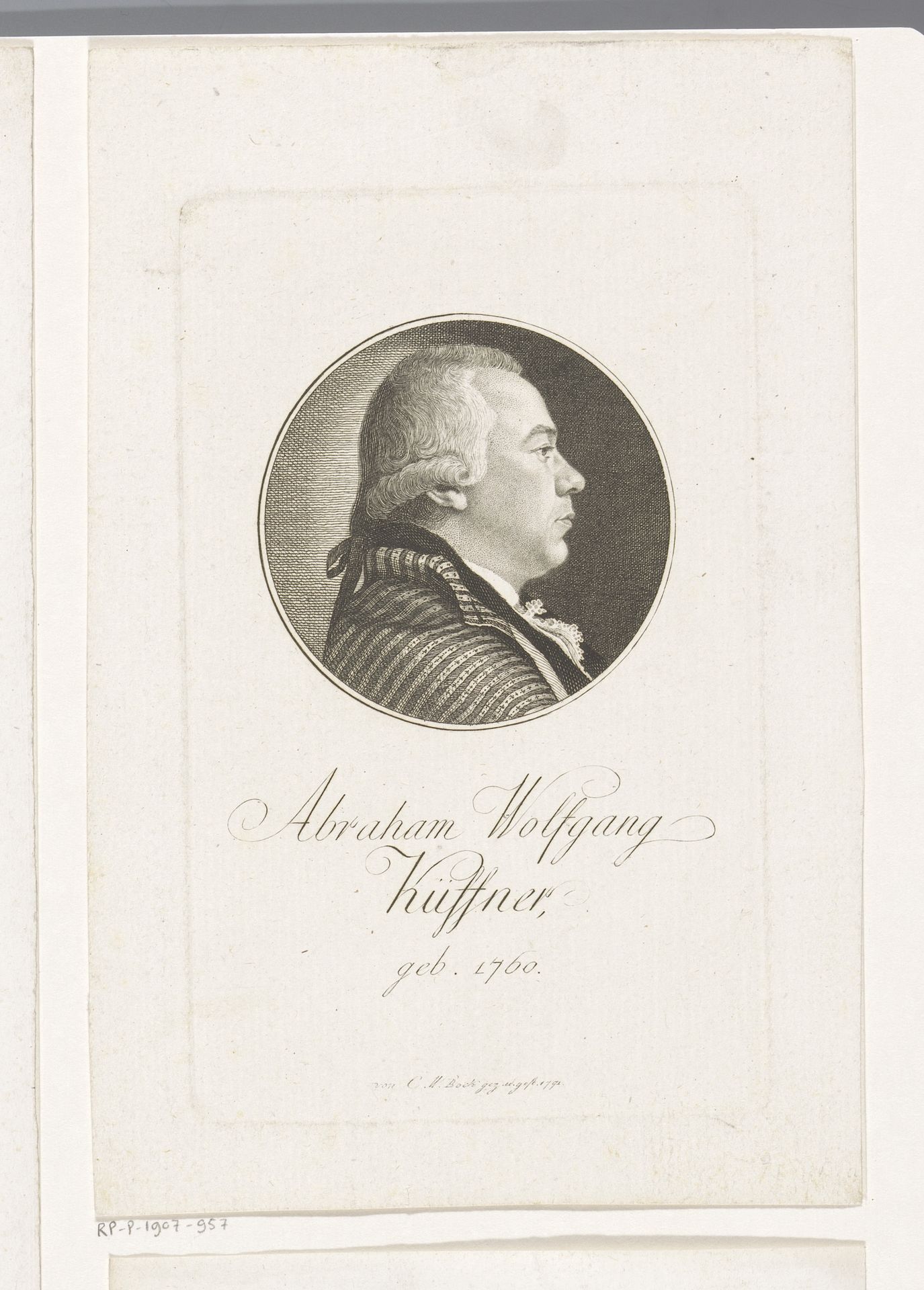
This is an engraving of Abraham Wolfgang Küffner by Christoph-Wilhelm Bock. Note the profile view, where the subject is turned to the side, set within a contained circular frame. The profile, common in ancient Roman coins and portraiture, signifies a desire to immortalize the individual, linking Küffner to a lineage of historical figures celebrated through visual representation. We see its echo in Renaissance medals and even contemporary currency. This harkens back to an era where likenesses of emperors and notables aimed to project power, authority, and lasting legacy. Consider the psychological weight of such a pose: the profile, by its very nature, presents a partial view, inviting the viewer to complete the image in their mind, and engaging them in an act of interpretation and imaginative reconstruction. This symbolic gesture is not merely a physical likeness but a calculated expression of self, intended to resonate through the ages. It reflects our deep, subconscious need to connect with history and project ourselves into the future.
Portret van Abraham Wolfgang Küffner 1791

Christoph-Wilhelm Bock
@christophwilhelmbockLocation
RijksmuseumArtwork details
- Medium
- print, engraving
- Dimensions
- height 146 mm, width 91 mm
- Location
- Rijksmuseum
- Copyright
- Rijks Museum: Open Domain
Tags
portrait
neoclacissism
engraving
Comments
No comments
About this artwork
This is an engraving of Abraham Wolfgang Küffner by Christoph-Wilhelm Bock. Note the profile view, where the subject is turned to the side, set within a contained circular frame. The profile, common in ancient Roman coins and portraiture, signifies a desire to immortalize the individual, linking Küffner to a lineage of historical figures celebrated through visual representation. We see its echo in Renaissance medals and even contemporary currency. This harkens back to an era where likenesses of emperors and notables aimed to project power, authority, and lasting legacy. Consider the psychological weight of such a pose: the profile, by its very nature, presents a partial view, inviting the viewer to complete the image in their mind, and engaging them in an act of interpretation and imaginative reconstruction. This symbolic gesture is not merely a physical likeness but a calculated expression of self, intended to resonate through the ages. It reflects our deep, subconscious need to connect with history and project ourselves into the future.
Comments
No comments