About this artwork
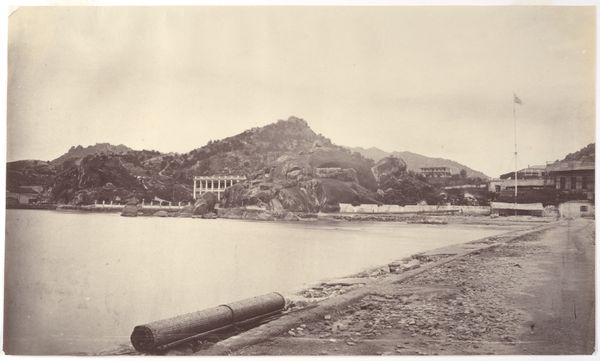
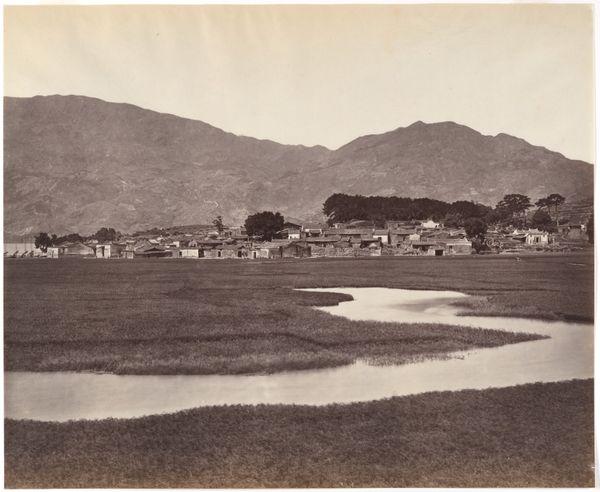
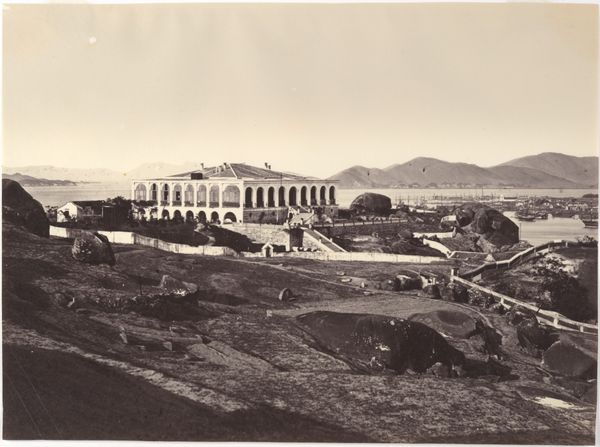
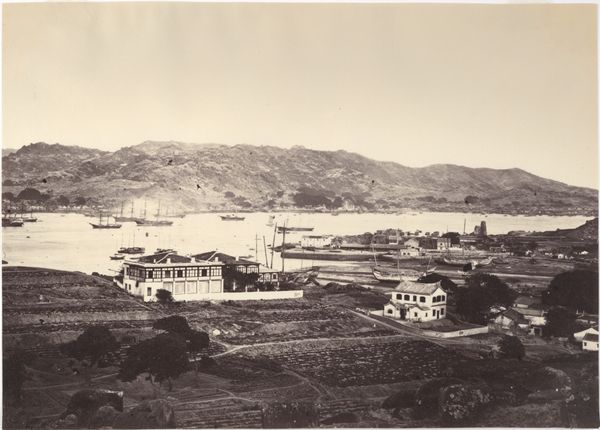
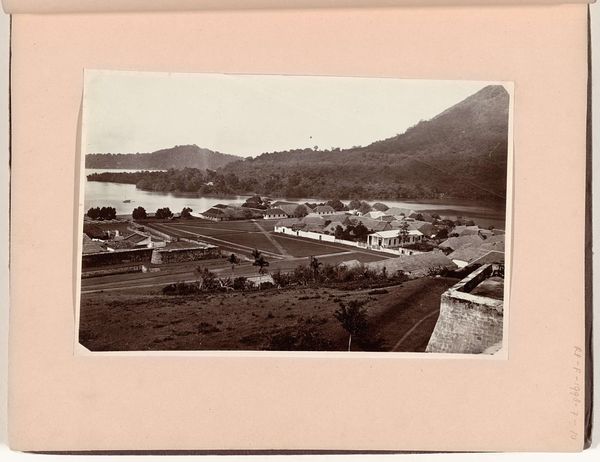
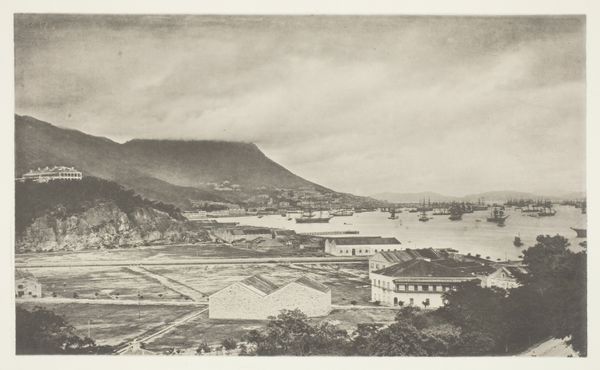
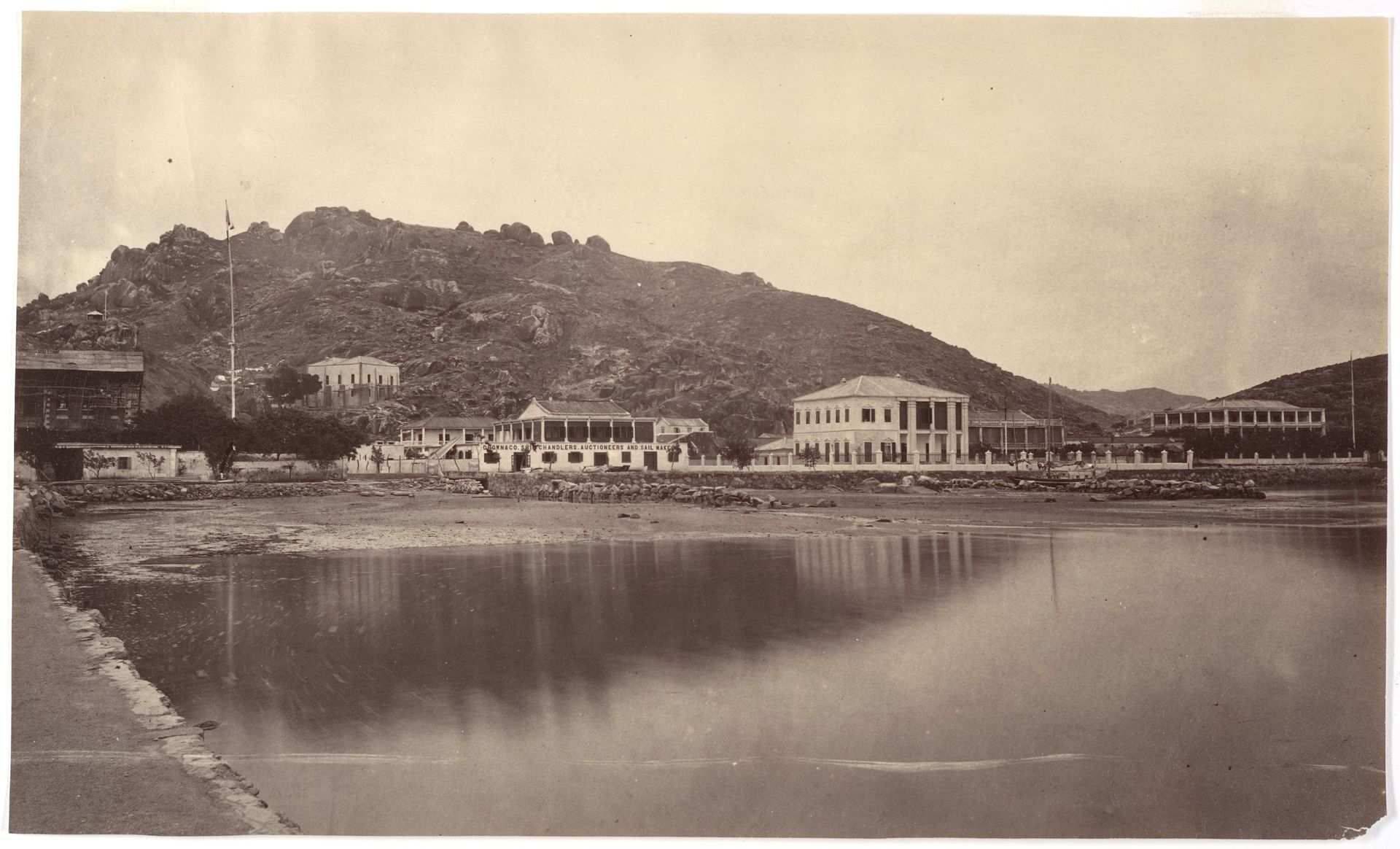
John Thomson made this photograph of Rak-Chui, opposite Swatow, using a glass plate negative and the wet collodion process. This was a relatively new technology in the mid-19th century, requiring portable darkrooms and skilled technicians to produce these kinds of views. Consider the material properties of the image: the sepia tones, the sharp focus on the architecture, and the soft reflections in the water. The process involved coating a glass plate with a light-sensitive emulsion, exposing it in the camera, and then developing it immediately. This demanding technique allowed for detailed and tonally rich photographs, which quickly became popular for documentation and artistic expression. Thomson was one of the first photographers to document life and landscapes in China, and this image captures a specific moment in the history of Swatow as a treaty port. Photography at this time was entwined with colonial exploration, trade, and power relations. By focusing on the materiality and production of this photograph, we can better understand the cultural and historical context in which it was created, and its significance as both a work of art and a historical document.
View on Rak-Chui opposite Swatow
1869


Artwork details
- Medium
- photography, gelatin-silver-print
- Dimensions
- Image: 6 1/4 × 10 9/16 in. (15.8 × 26.9 cm)
- Location
- Metropolitan Museum of Art, New York, NY
- Copyright
- Public Domain
Tags
landscape
outdoor photograph
outdoor photography
photography
orientalism
gelatin-silver-print
monochrome photography
realism
building
Comments
Be the first to share your thoughts about this work.
About this artwork
John Thomson made this photograph of Rak-Chui, opposite Swatow, using a glass plate negative and the wet collodion process. This was a relatively new technology in the mid-19th century, requiring portable darkrooms and skilled technicians to produce these kinds of views. Consider the material properties of the image: the sepia tones, the sharp focus on the architecture, and the soft reflections in the water. The process involved coating a glass plate with a light-sensitive emulsion, exposing it in the camera, and then developing it immediately. This demanding technique allowed for detailed and tonally rich photographs, which quickly became popular for documentation and artistic expression. Thomson was one of the first photographers to document life and landscapes in China, and this image captures a specific moment in the history of Swatow as a treaty port. Photography at this time was entwined with colonial exploration, trade, and power relations. By focusing on the materiality and production of this photograph, we can better understand the cultural and historical context in which it was created, and its significance as both a work of art and a historical document.
Comments
Be the first to share your thoughts about this work.