About this artwork
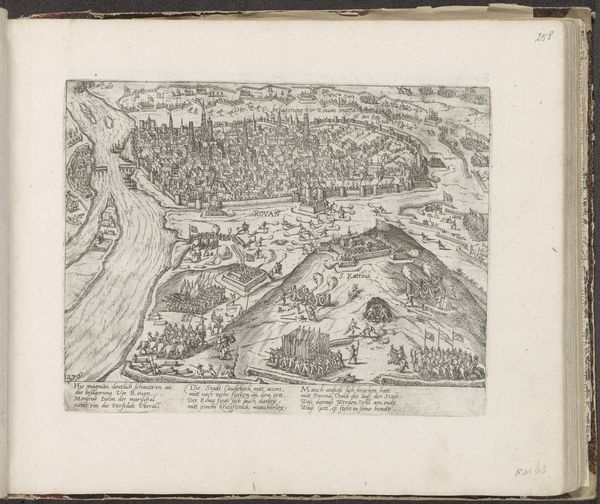
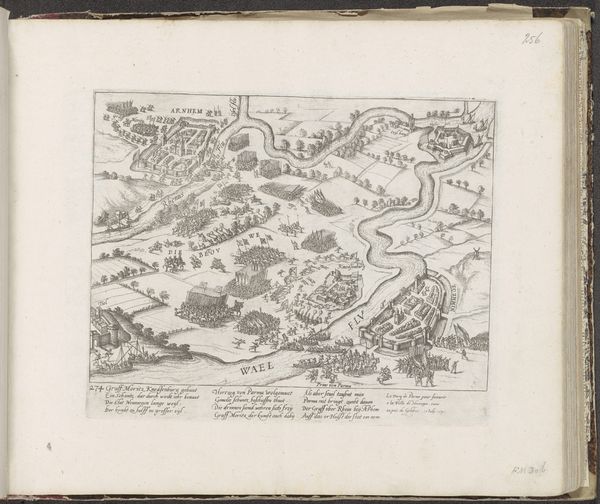
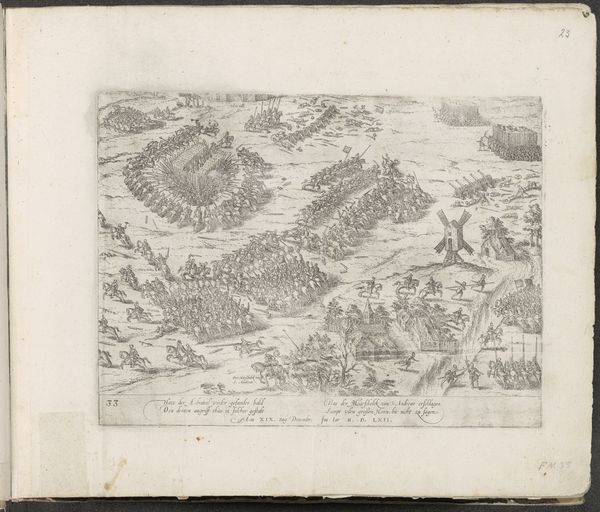
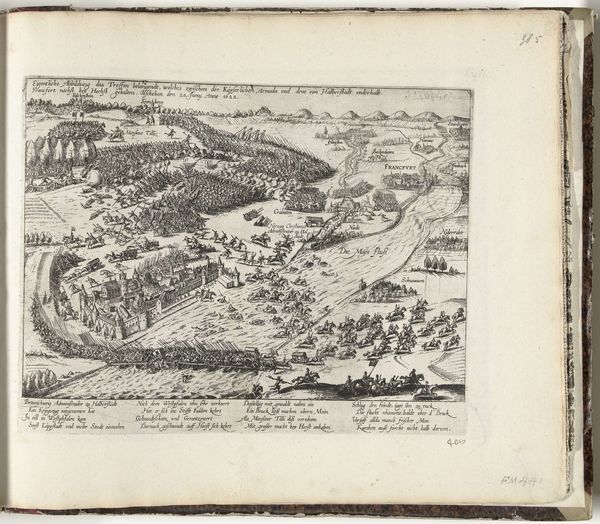
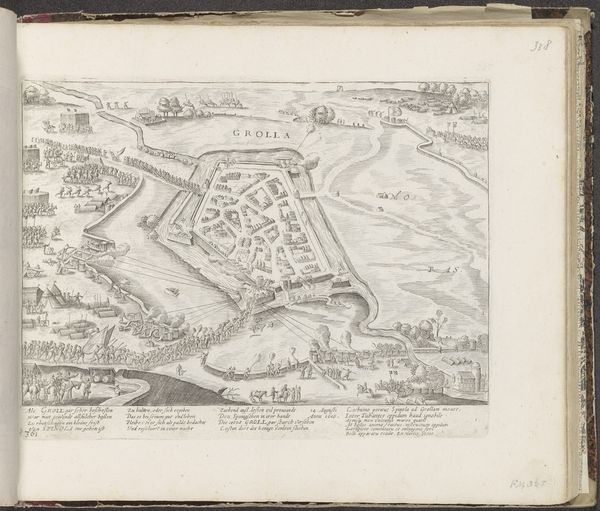
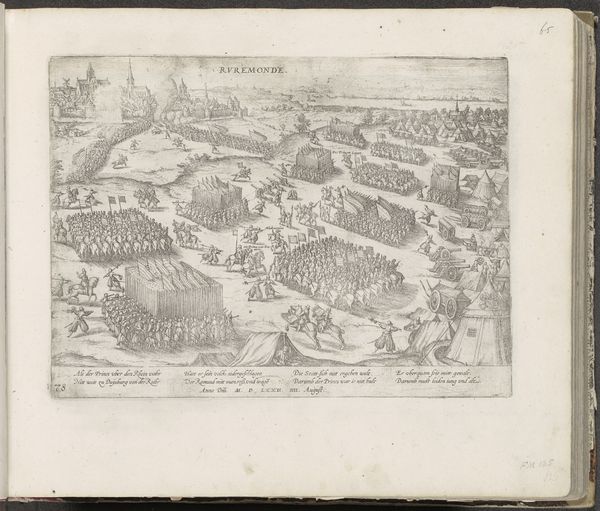
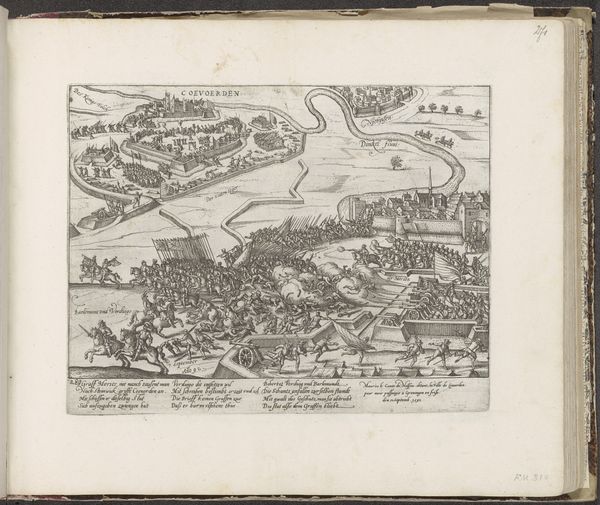
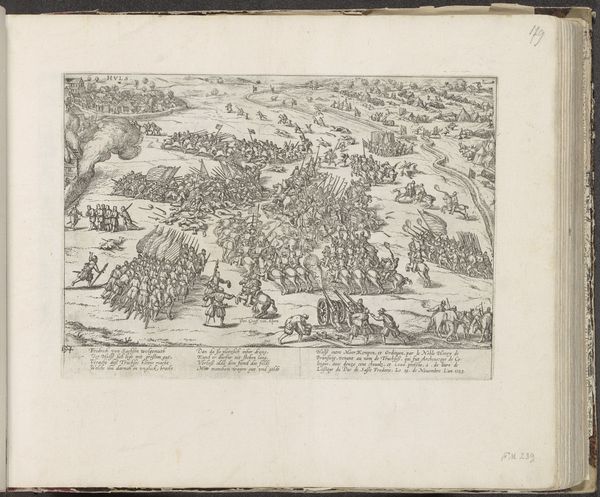
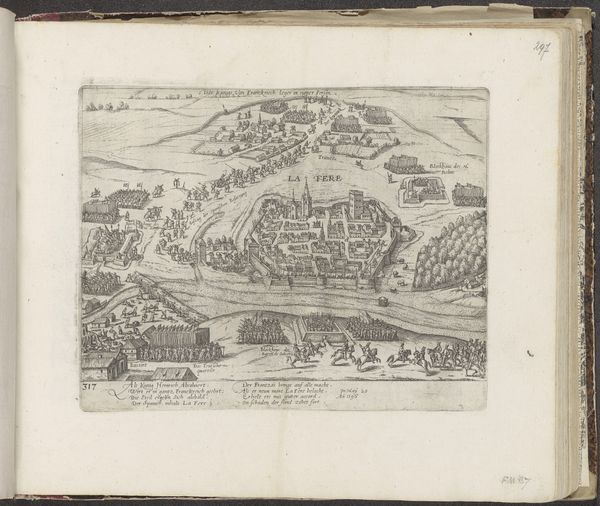
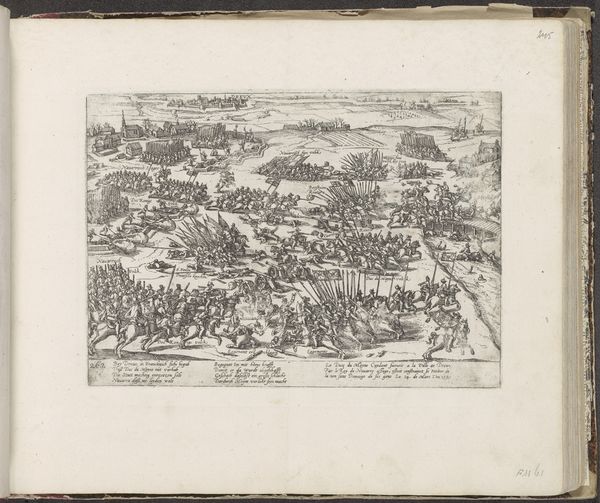
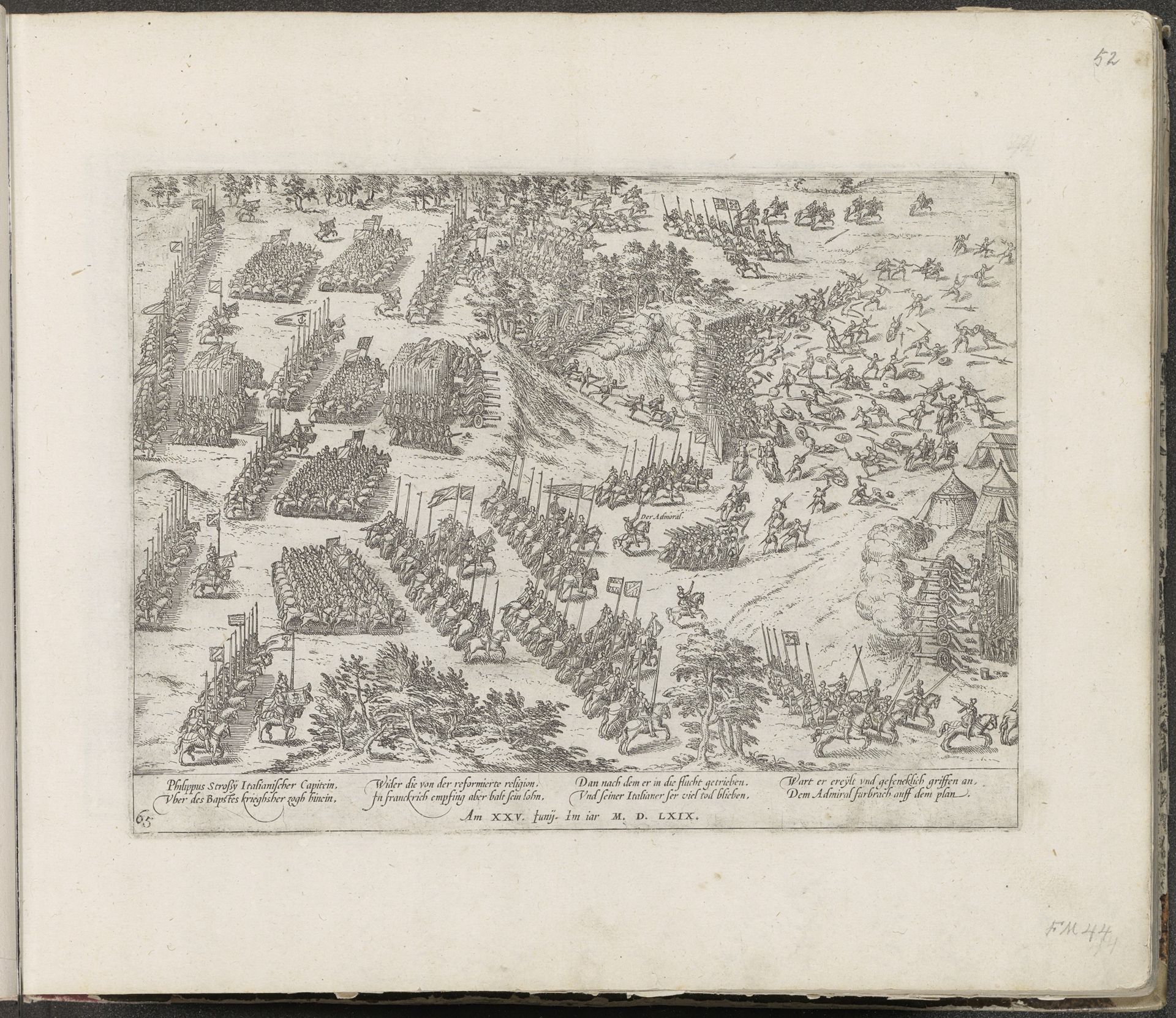
This engraving from 1569 by Frans Hogenberg depicts the capture of Filippo Strozzi in France. Produced in the Netherlands during a period of intense religious and political upheaval, this image is more than just a historical record; it's a piece of propaganda. The level of detail suggests an effort to portray the event as a significant victory, potentially glossing over more complex realities of the conflict. The artist uses visual codes familiar to the period, such as the orderly arrangement of troops to suggest strength and discipline, and chaotic battle scenes to denote the enemy's disarray. Hogenberg’s work reflects the turbulent times of the Reformation and the Dutch Revolt. These prints, often disseminated as news, shaped public opinion and solidified political positions. To fully understand this image, we need to delve into the historical archives, looking at pamphlets, letters, and other visual materials that circulated at the time. The meaning of this image is contingent on its social and institutional context.
Strozzi in Frankrijk gevangen genomen, 1569
c. 1569 - 1571

Frans Hogenberg
1540 - 1590Location
RijksmuseumArtwork details
- Medium
- graphic-art, print, engraving
- Dimensions
- height 207 mm, width 280 mm
- Location
- Rijksmuseum
- Copyright
- Rijks Museum: Open Domain
Tags
graphic-art
aged paper
toned paper
ink paper printed
mannerism
personal sketchbook
pen-ink sketch
ink colored
pen work
sketchbook drawing
history-painting
sketchbook art
engraving
Comments
Be the first to share your thoughts about this work.
About this artwork
This engraving from 1569 by Frans Hogenberg depicts the capture of Filippo Strozzi in France. Produced in the Netherlands during a period of intense religious and political upheaval, this image is more than just a historical record; it's a piece of propaganda. The level of detail suggests an effort to portray the event as a significant victory, potentially glossing over more complex realities of the conflict. The artist uses visual codes familiar to the period, such as the orderly arrangement of troops to suggest strength and discipline, and chaotic battle scenes to denote the enemy's disarray. Hogenberg’s work reflects the turbulent times of the Reformation and the Dutch Revolt. These prints, often disseminated as news, shaped public opinion and solidified political positions. To fully understand this image, we need to delve into the historical archives, looking at pamphlets, letters, and other visual materials that circulated at the time. The meaning of this image is contingent on its social and institutional context.
Comments
Be the first to share your thoughts about this work.