1863
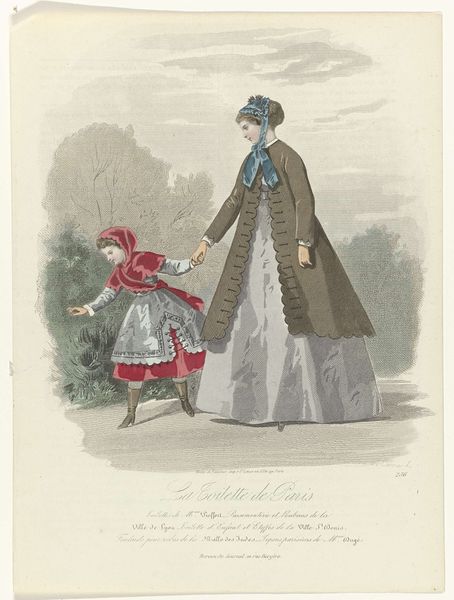
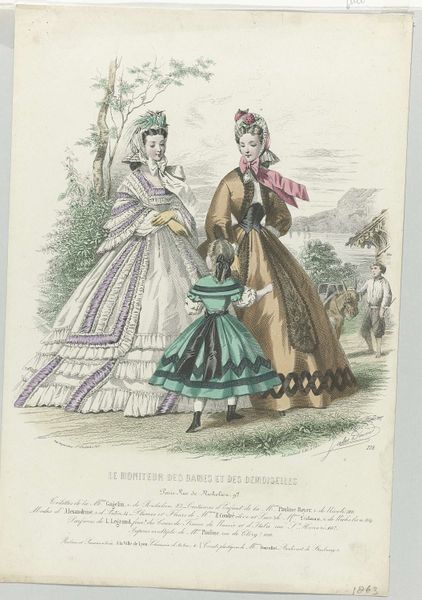
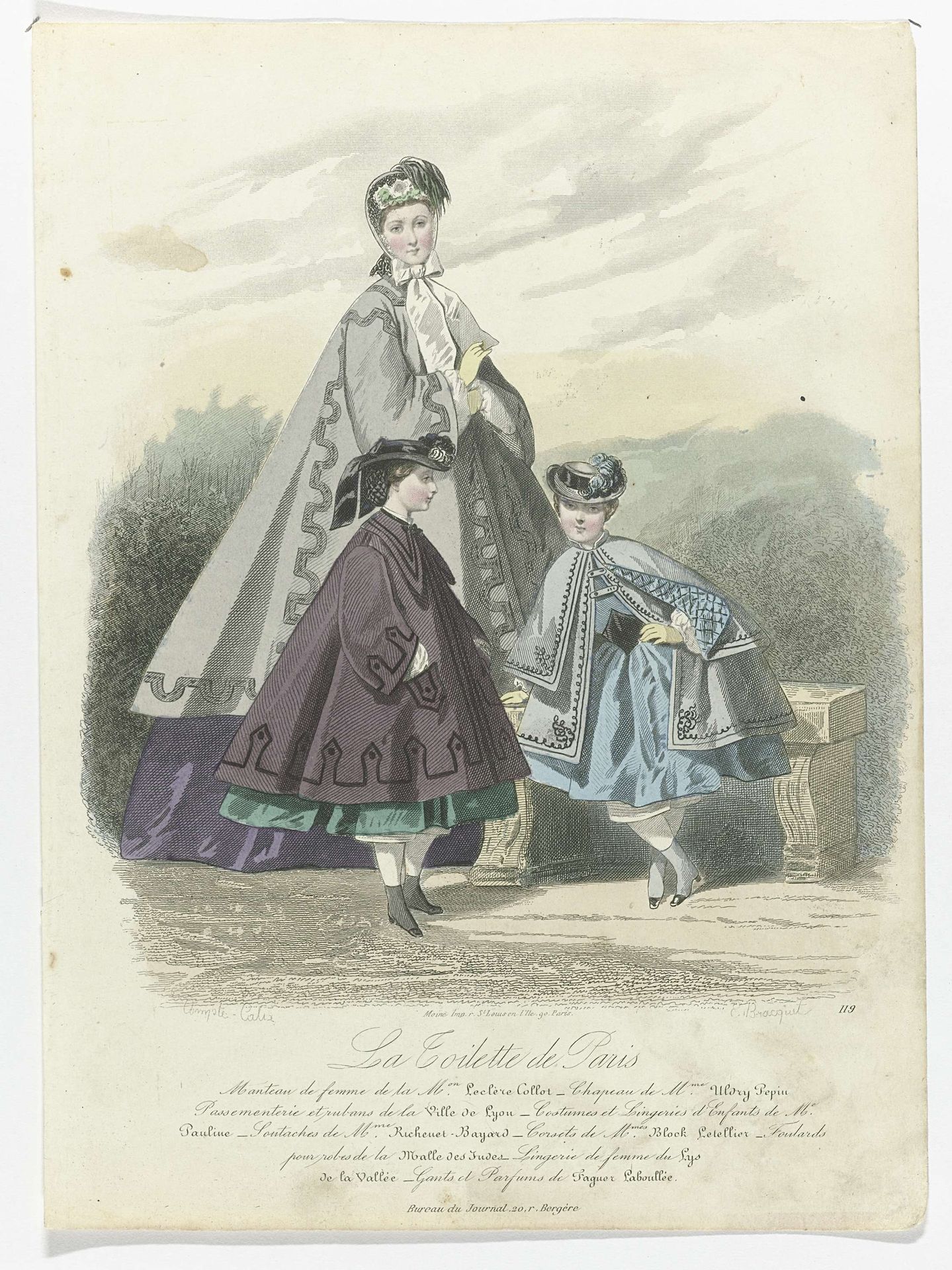
La Toilette de Paris, 1863, No. 119 : Manteau de femm (...)

Listen to curator's interpretation
Curatorial notes
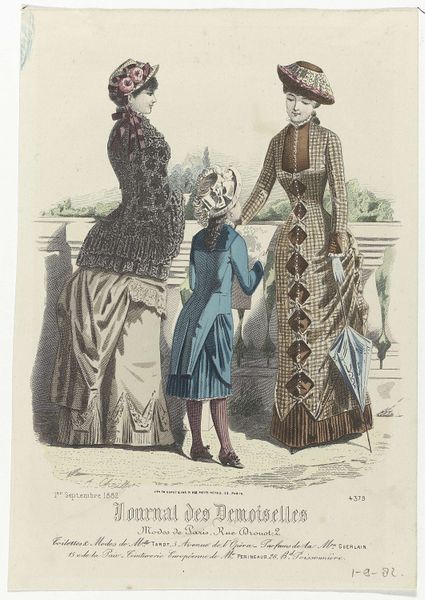
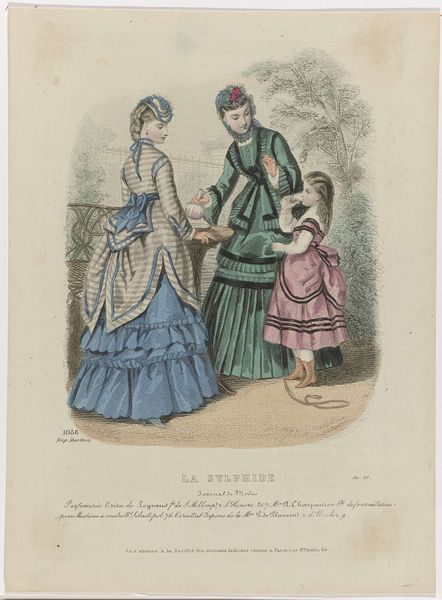
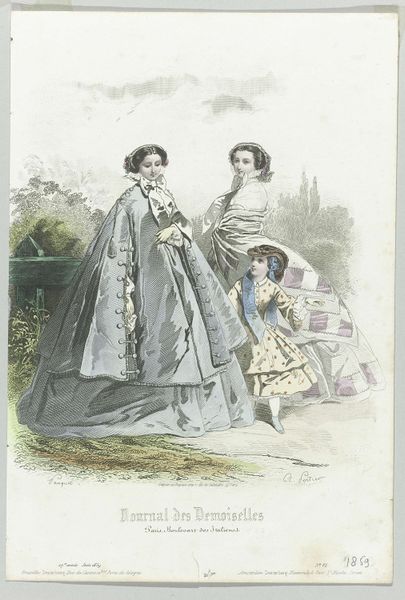
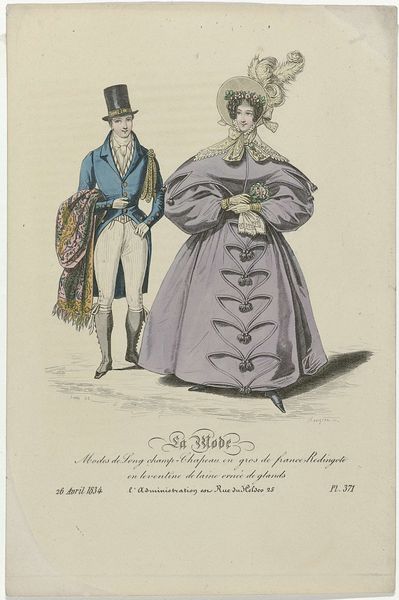
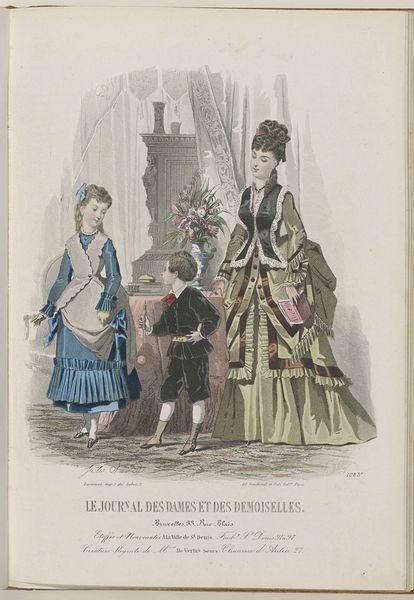
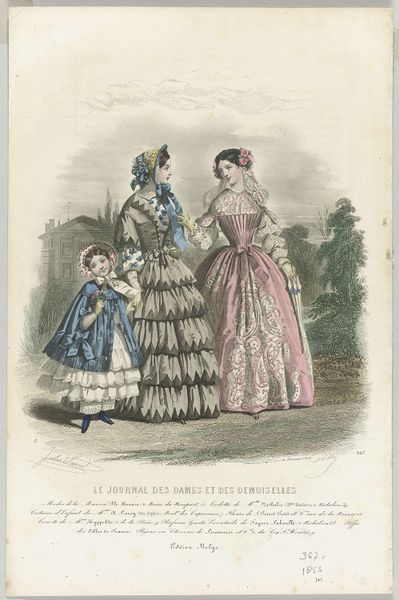
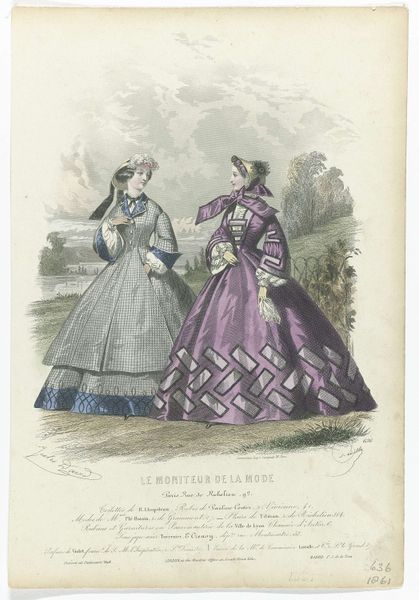
Editor: So, this print is titled "La Toilette de Paris, 1863, No. 119: Manteau de femme". It looks like a fashion plate, showcasing different outerwear for women and children. It's beautifully detailed for a lithograph, but it feels... almost propagandistic in its celebration of consumer culture. What stands out to you? Curator: That’s an interesting initial reaction. Indeed, these fashion plates were powerful tools. Beyond merely reflecting trends, they actively shaped desires and influenced the burgeoning consumer culture in mid-19th century Paris. How might this image be reinforcing existing class structures or even creating new ones? Editor: Hmm, well the intricate detailing and implied cost of these garments would certainly exclude most of the population. It's like a visual declaration of who has access to this level of fashionable elegance, separating them from everyone else. Is that too cynical? Curator: Not at all! These images operated within a complex system of representation. Fashion magazines played a vital role in solidifying the identity of the bourgeoisie, creating an aspirational lifestyle that was carefully curated and consumed. Who was empowered or disenfranchised when publications showcased "acceptable" standards? Editor: I hadn't thought about it that way – a curated lifestyle! That adds a layer of manipulation. It wasn’t just about admiring beautiful clothes; it was about participating in a specific social performance. I can see how analyzing its historical context can help unlock this fashion plate's influence as a cultural force, reinforcing hierarchies within Parisian society. Curator: Exactly! It also highlights the complex relationship between art, commerce, and the construction of identity in the modern world. Fashion, particularly when widely disseminated in visual culture, plays a powerful public role. Editor: I definitely have a different understanding now. Looking beyond just the pretty dresses opens up so much more about the politics embedded in everyday imagery!