About this artwork
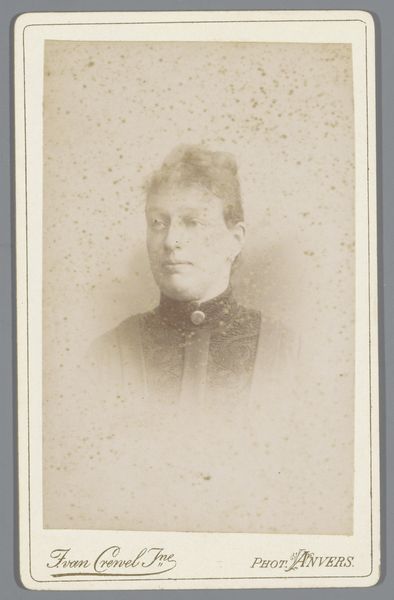
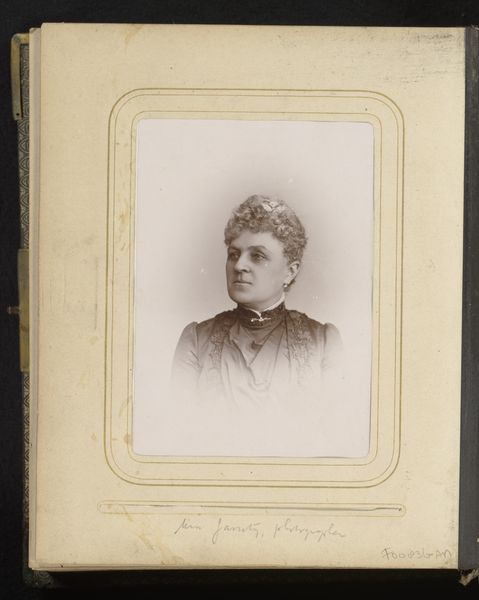
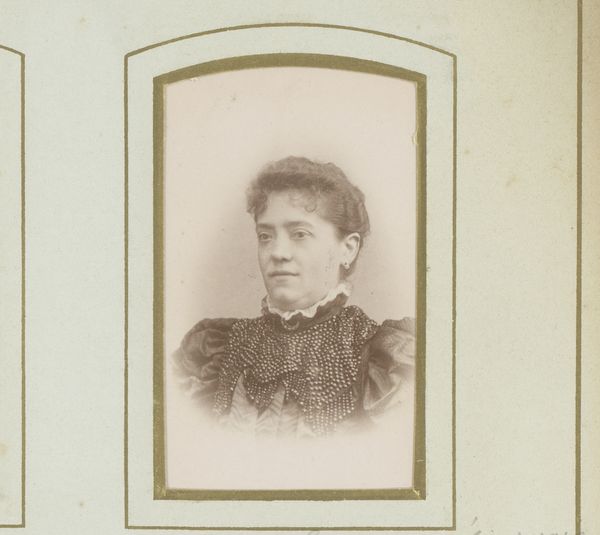
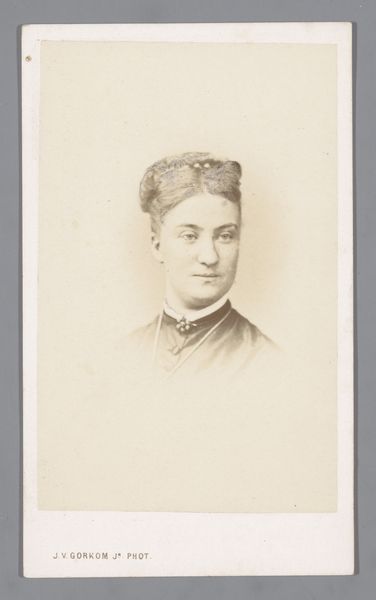
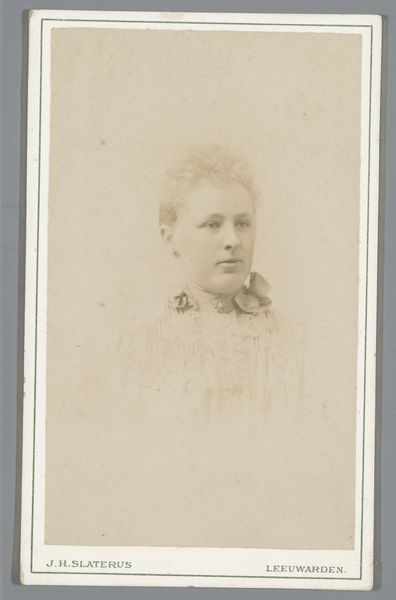
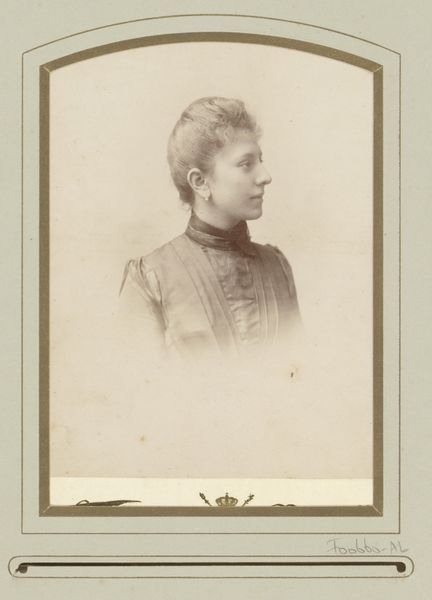
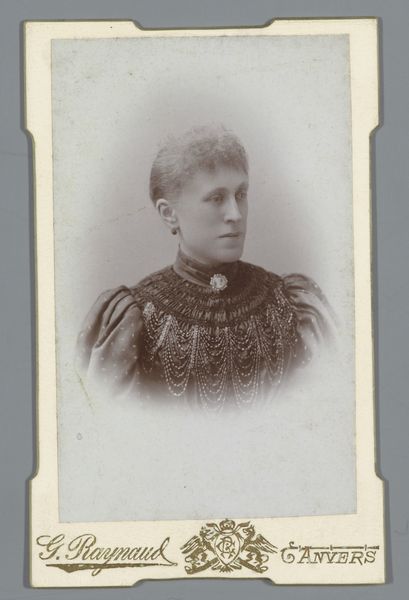
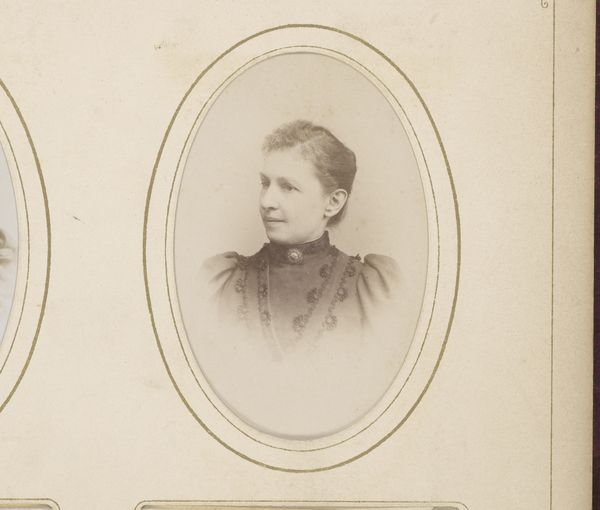
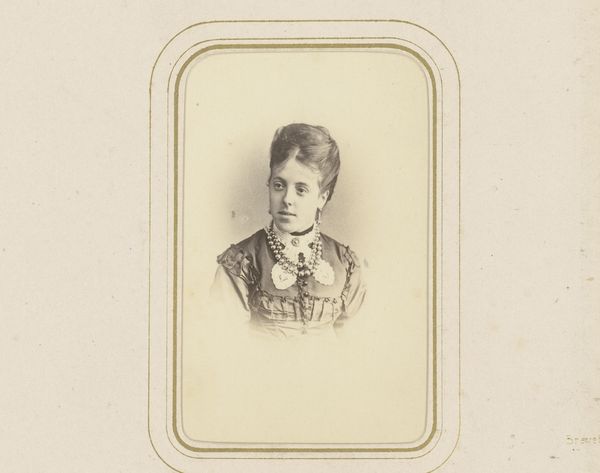
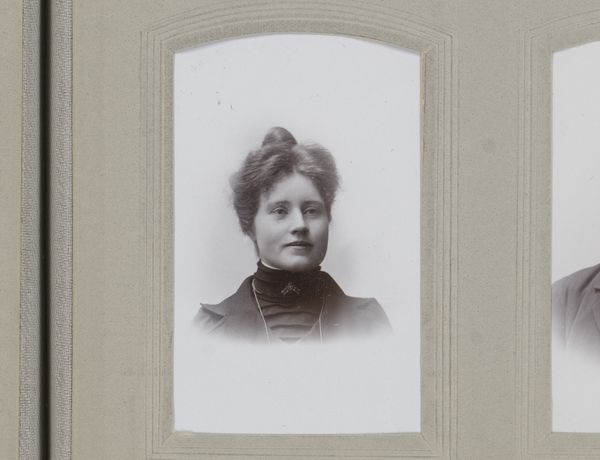
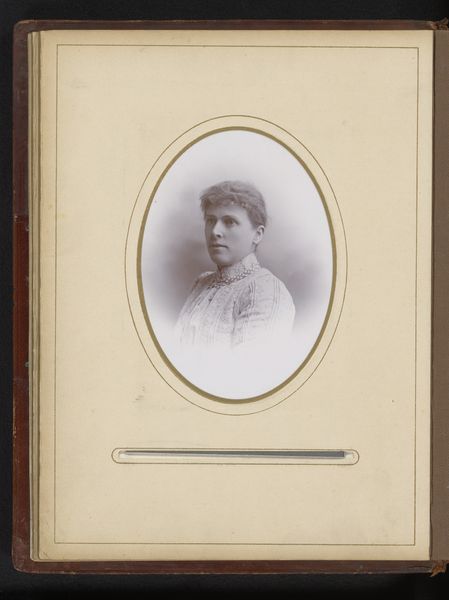
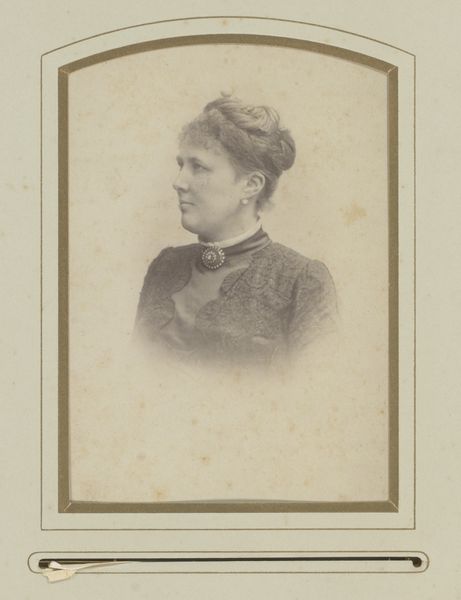
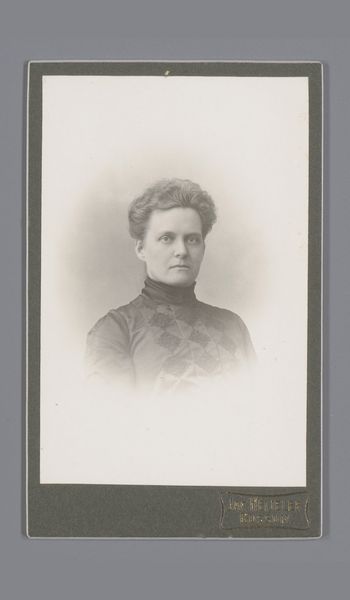
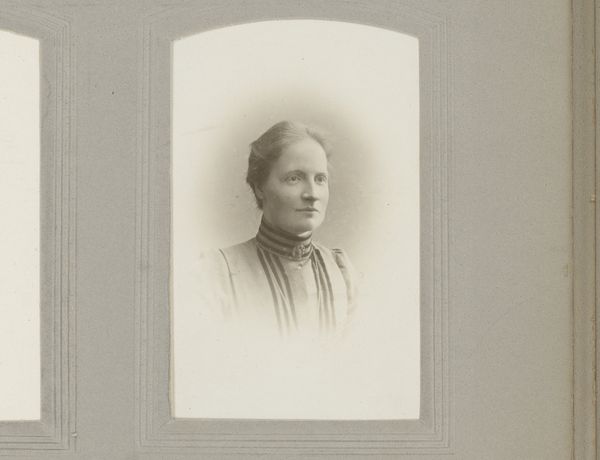
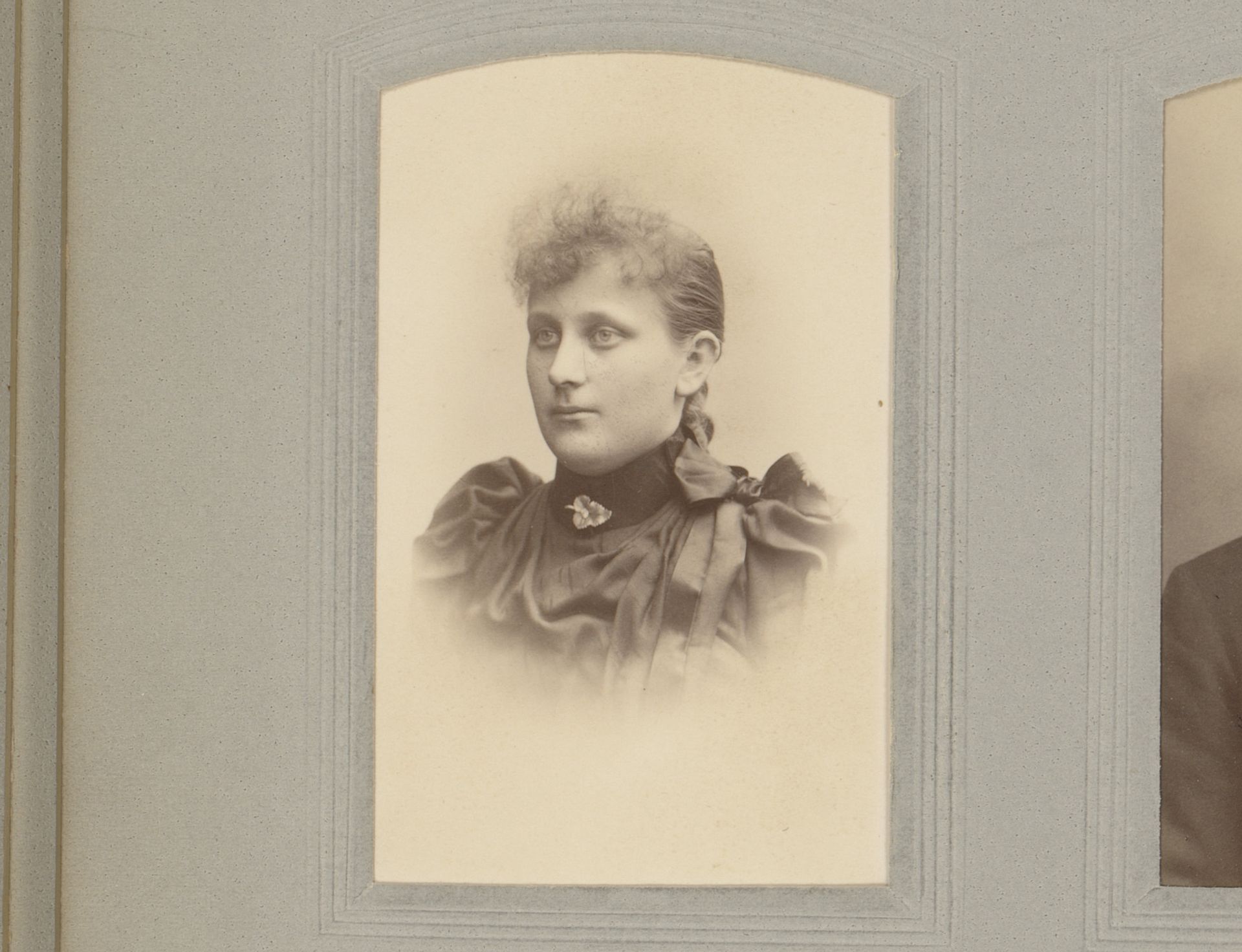
Daniel Nyblin made this small photographic portrait of a woman sometime between the late 19th and early 20th centuries. Nyblin was a Finnish photographer, active in a period when photography was becoming increasingly accessible but still carried a certain social weight. Portraiture, in particular, was closely tied to notions of identity and social standing. The image, with its formal composition and the woman’s poised demeanor, reflects the conventions of bourgeois portraiture. Consider how the subject is presented: her hairstyle, the cut of her dress, and her direct gaze – all signs of the sitter’s social class and how she wants to be seen. To truly understand this image, one would need to delve into the social history of photography in Finland. Researching the archives of photographic studios, and the social history of portraiture, would give us a clearer picture of the kind of meaning this image might have had at the time.

Artwork details
- Medium
- photography
- Dimensions
- height 83 mm, width 51 mm
- Copyright
- Rijks Museum: Open Domain
Tags
Comments
Share your thoughts
About this artwork
Daniel Nyblin made this small photographic portrait of a woman sometime between the late 19th and early 20th centuries. Nyblin was a Finnish photographer, active in a period when photography was becoming increasingly accessible but still carried a certain social weight. Portraiture, in particular, was closely tied to notions of identity and social standing. The image, with its formal composition and the woman’s poised demeanor, reflects the conventions of bourgeois portraiture. Consider how the subject is presented: her hairstyle, the cut of her dress, and her direct gaze – all signs of the sitter’s social class and how she wants to be seen. To truly understand this image, one would need to delve into the social history of photography in Finland. Researching the archives of photographic studios, and the social history of portraiture, would give us a clearer picture of the kind of meaning this image might have had at the time.
Comments
Share your thoughts