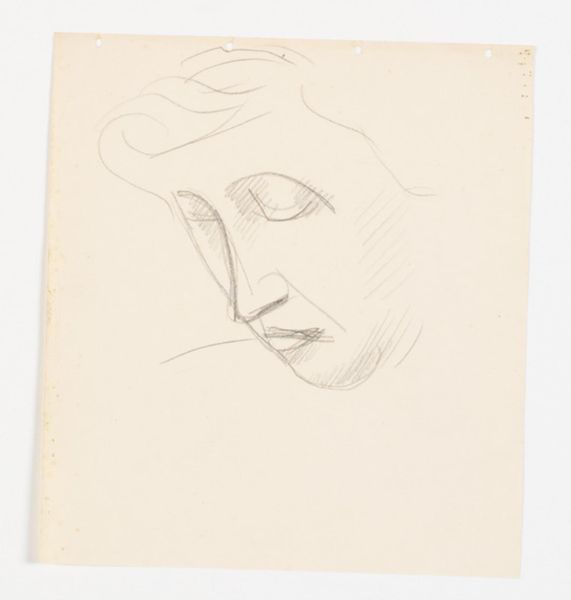
drawing, pencil
#
portrait
#
pencil drawn
#
drawing
#
light pencil work
#
pencil sketch
#
pencil
#
expressionism
#
pencil work
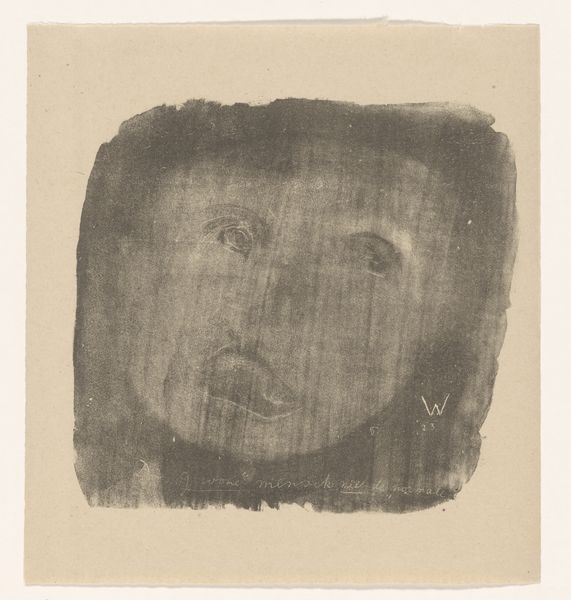
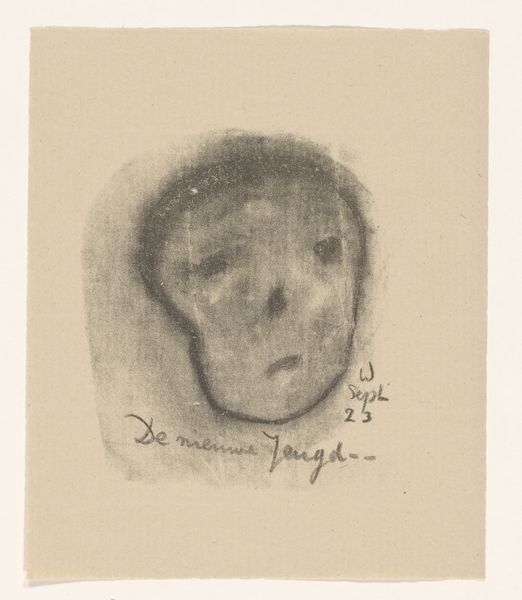
Dimensions: height 132 mm, width 127 mm
Copyright: Rijks Museum: Open Domain
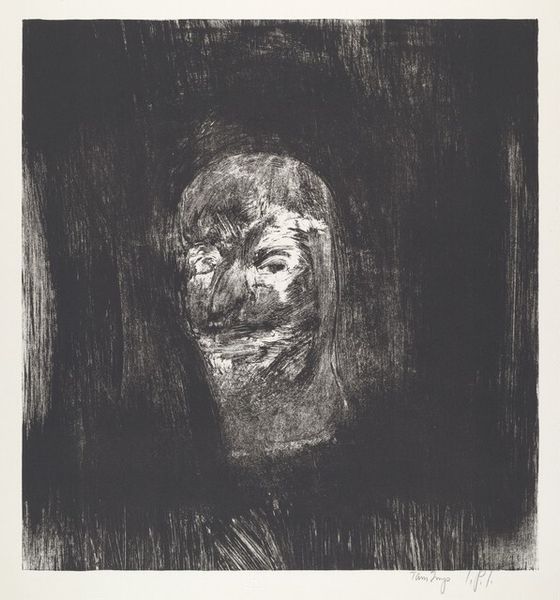
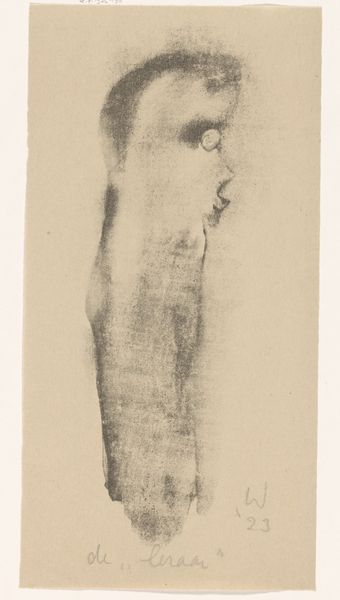
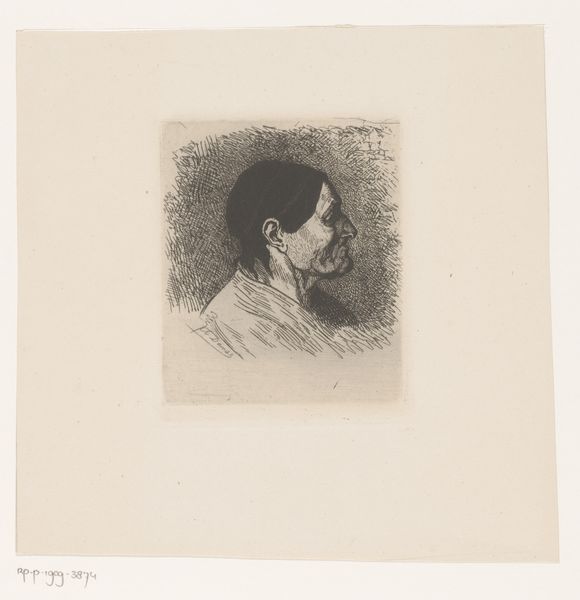
Editor: Here we have Erich Wichmann's "Spes Patriae," a pencil drawing from 1923. It's...evocative, almost like a fading memory. What social context do you think informed Wichmann's creation of this work? Curator: Well, "Spes Patriae" translates to "Hope of the Fatherland." Consider the socio-political landscape of 1923. Germany was grappling with the hyperinflation of the Weimar Republic, a period of profound national humiliation and economic instability following World War I. Does the wispy, almost ghost-like quality of the drawing suggest anything to you in that light? Editor: It definitely makes me think about fragility. It's not a triumphant or bold image. Is it a commentary on the perceived failings of the government at the time? Curator: Precisely. Art became a vehicle for social commentary. Expressionism, which Wichmann embraced, flourished during this era. It was used to give voice to a feeling of cultural unease. This wasn't just a portrait; it was a political statement, rendered subtly but powerfully through the artistic process itself. What role do you think this artwork has to play by residing in a museum space now? Editor: I guess it asks us to reflect on the enduring nature of political and social anxieties... Curator: Indeed, museums curate memory and offer the public an opportunity to confront difficult periods of history and perhaps, recognise parallels to contemporary struggles. It serves as a cautionary tale and a reminder of the artist’s role as a societal mirror. Editor: So much more than just a portrait then, thank you for this enlightening exchange. Curator: A pleasure, hopefully this has broadened your awareness of art history’s vital connection with civic responsibility.
Comments
No comments
Be the first to comment and join the conversation on the ultimate creative platform.
 Collect
 React
React Comment
More like this