About this artwork
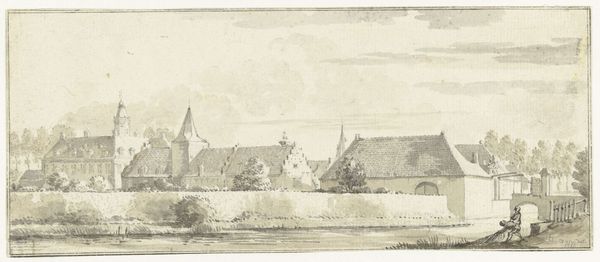
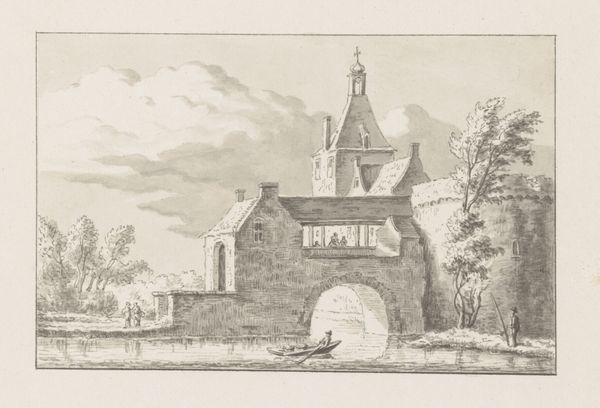
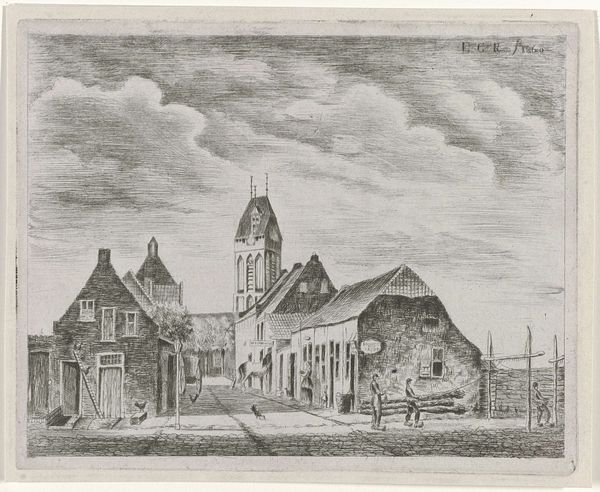
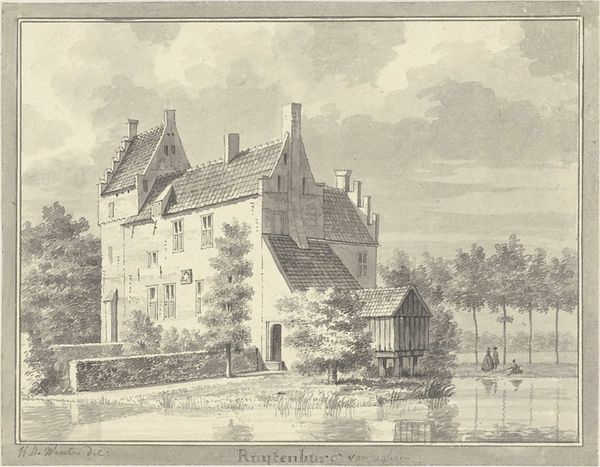
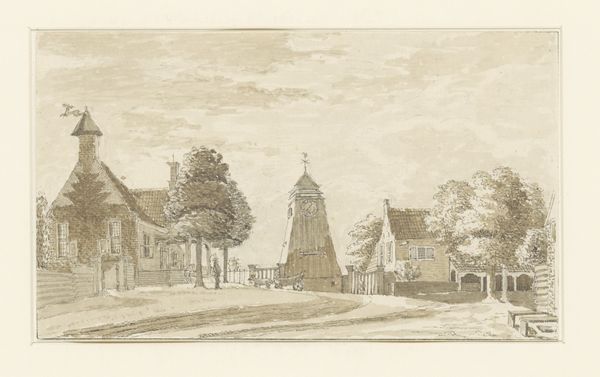
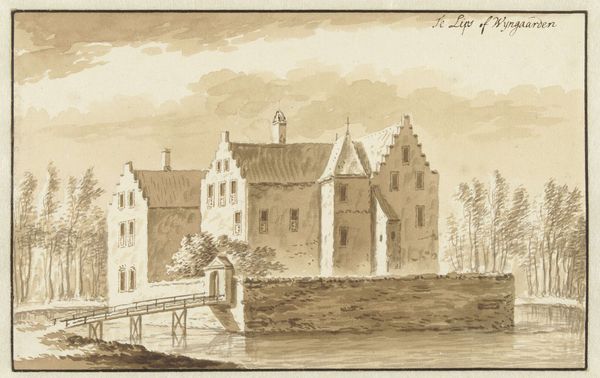
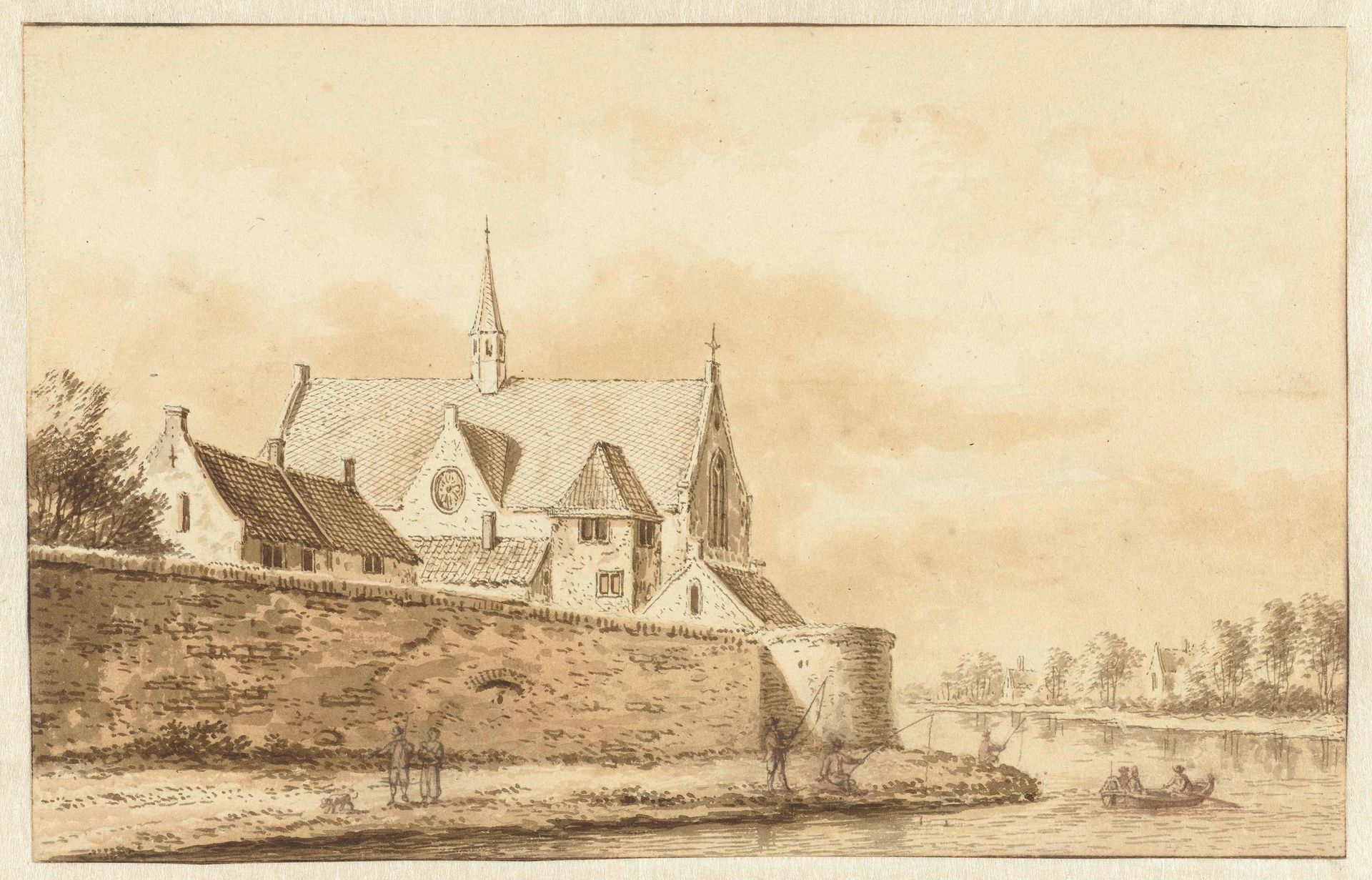
Abraham Rademaker made this drawing of the city wall of Utrecht in the early 18th century. He captured the wall as a social space, including people strolling along the path and fishing in the river. Rademaker was one of many artists who, during the Dutch Golden Age, depicted the landscape and cityscapes of the Netherlands. His detailed renderings of Utrecht’s fortifications offer insight into the city’s urban planning and defense strategies of the time. City walls like these were not just physical barriers, but symbols of civic identity, separating insiders from outsiders. The walls delineated the boundaries of social control, taxation, and legal jurisdiction. To fully appreciate this drawing, one could research Utrecht's history, its economic conditions, and its role in the Dutch Republic. Old maps, city archives, and travelers' accounts would offer a wealth of information. The meaning of this artwork is contingent on its social and institutional context.
Gezicht op de stadswal van Utrecht
1685 - 1735

Abraham Rademaker
1675 - 1735Location
RijksmuseumArtwork details
- Medium
- drawing, paper, ink
- Dimensions
- height 151 mm, width 240 mm
- Location
- Rijksmuseum
- Copyright
- Rijks Museum: Open Domain
Tags
Comments
Share your thoughts
About this artwork
Abraham Rademaker made this drawing of the city wall of Utrecht in the early 18th century. He captured the wall as a social space, including people strolling along the path and fishing in the river. Rademaker was one of many artists who, during the Dutch Golden Age, depicted the landscape and cityscapes of the Netherlands. His detailed renderings of Utrecht’s fortifications offer insight into the city’s urban planning and defense strategies of the time. City walls like these were not just physical barriers, but symbols of civic identity, separating insiders from outsiders. The walls delineated the boundaries of social control, taxation, and legal jurisdiction. To fully appreciate this drawing, one could research Utrecht's history, its economic conditions, and its role in the Dutch Republic. Old maps, city archives, and travelers' accounts would offer a wealth of information. The meaning of this artwork is contingent on its social and institutional context.
Comments
Share your thoughts