About this artwork
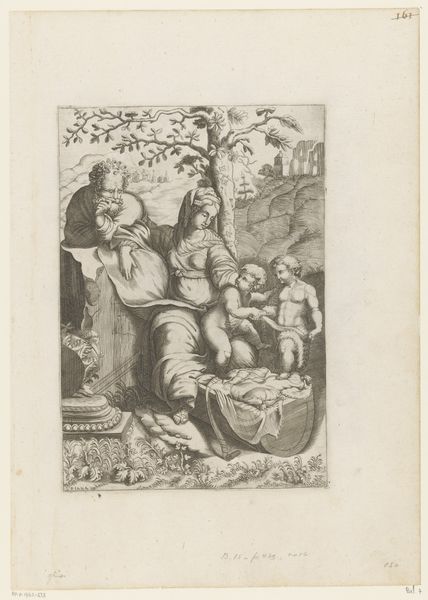
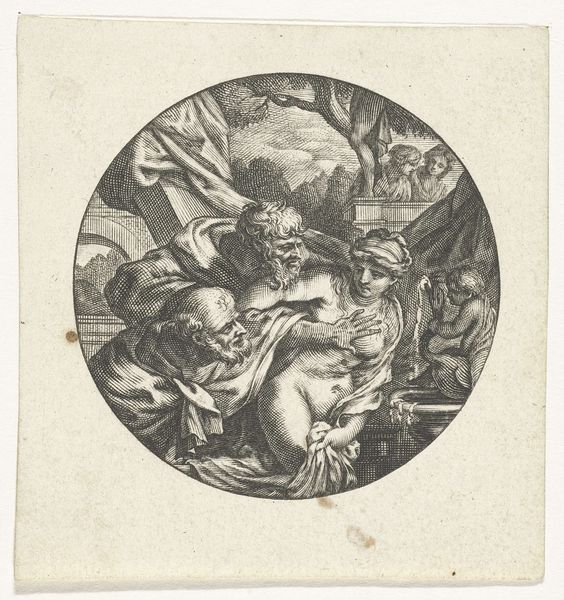
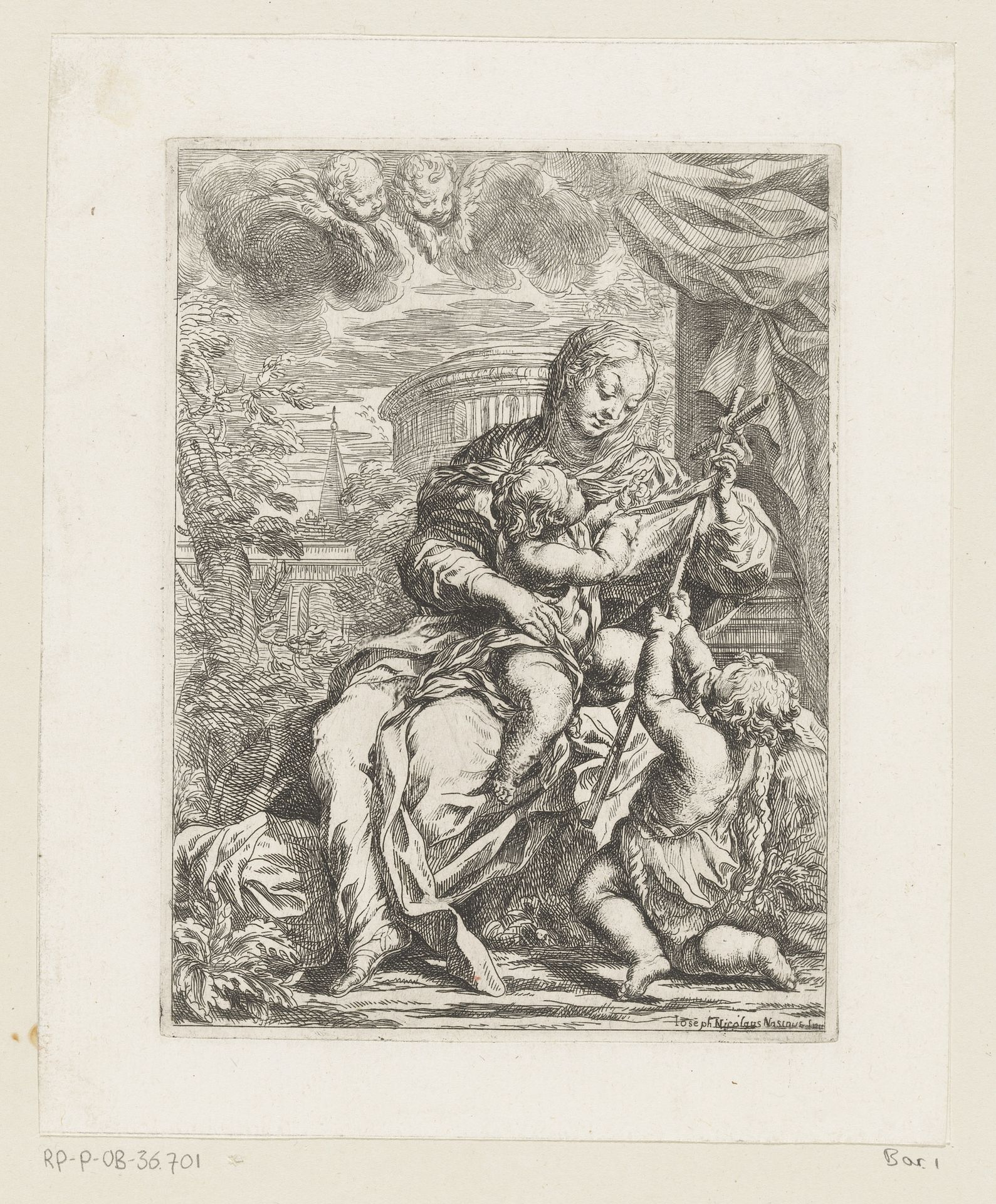
Giuseppe Nicola Nasini created this print of Maria with Child and John the Baptist using etching, likely in the late 17th or early 18th century. The etched lines give the artwork a distinctive texture. This intaglio process involves covering a metal plate with a waxy, protective layer, then scratching an image into the wax, exposing the metal. Dipping the plate in acid then bites away at these exposed lines, creating grooves. Ink is then forced into these grooves and the plate is pressed onto paper, transferring the image. Consider the amount of labor, skill, and time required to create this artwork. Etchings like this were often made in multiples, allowing for wider distribution of images and ideas during this period. The lines create a sense of depth and shadow, giving the scene a dynamic quality. The technique allowed Nasini to add fine details to the faces and fabrics. Understanding the material and process involved in creating this print enriches our appreciation, prompting us to think about the artist's skilled labor and the socio-cultural context of its production.

Artwork details
- Medium
- print, engraving
- Dimensions
- height 174 mm, width 131 mm
- Copyright
- Rijks Museum: Open Domain
Tags
Comments
Share your thoughts
About this artwork
Giuseppe Nicola Nasini created this print of Maria with Child and John the Baptist using etching, likely in the late 17th or early 18th century. The etched lines give the artwork a distinctive texture. This intaglio process involves covering a metal plate with a waxy, protective layer, then scratching an image into the wax, exposing the metal. Dipping the plate in acid then bites away at these exposed lines, creating grooves. Ink is then forced into these grooves and the plate is pressed onto paper, transferring the image. Consider the amount of labor, skill, and time required to create this artwork. Etchings like this were often made in multiples, allowing for wider distribution of images and ideas during this period. The lines create a sense of depth and shadow, giving the scene a dynamic quality. The technique allowed Nasini to add fine details to the faces and fabrics. Understanding the material and process involved in creating this print enriches our appreciation, prompting us to think about the artist's skilled labor and the socio-cultural context of its production.
Comments
Share your thoughts