About this artwork
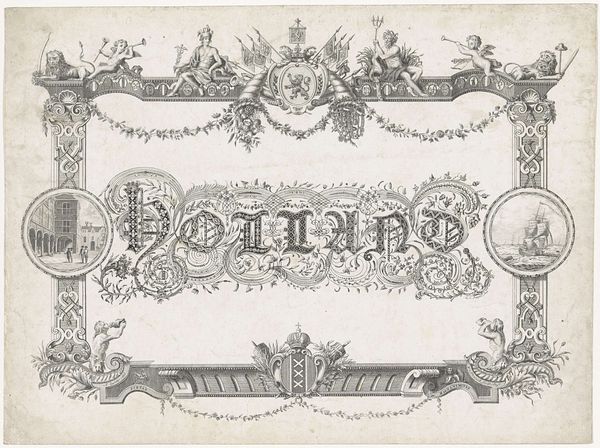
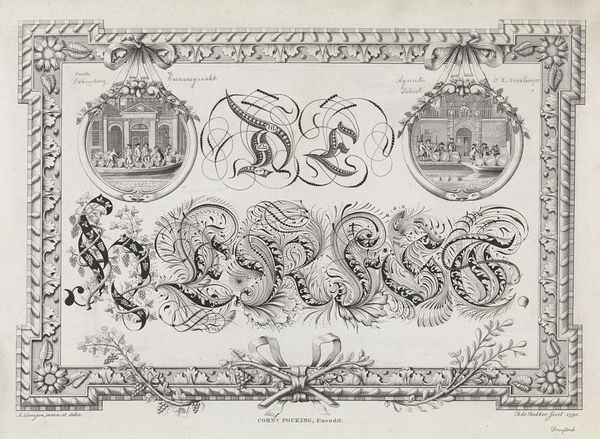
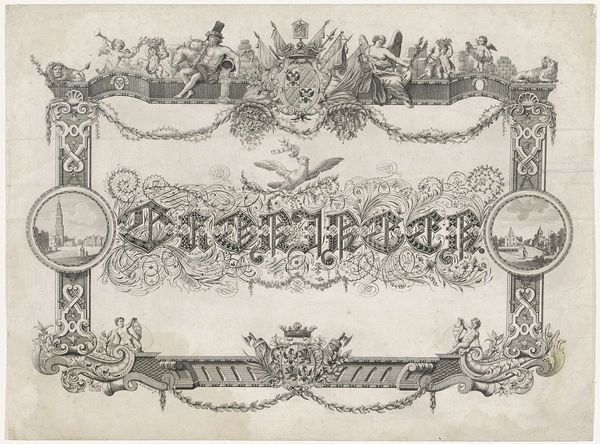
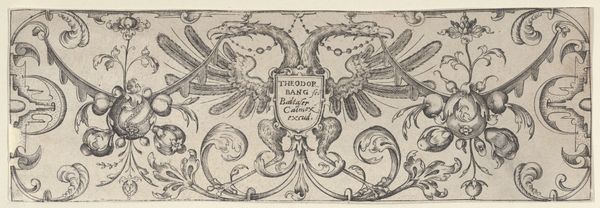
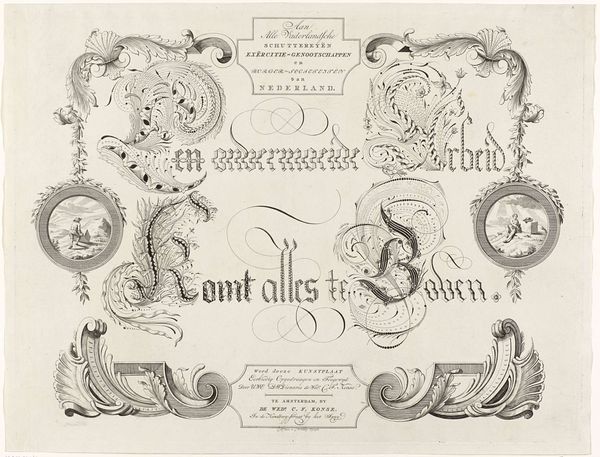
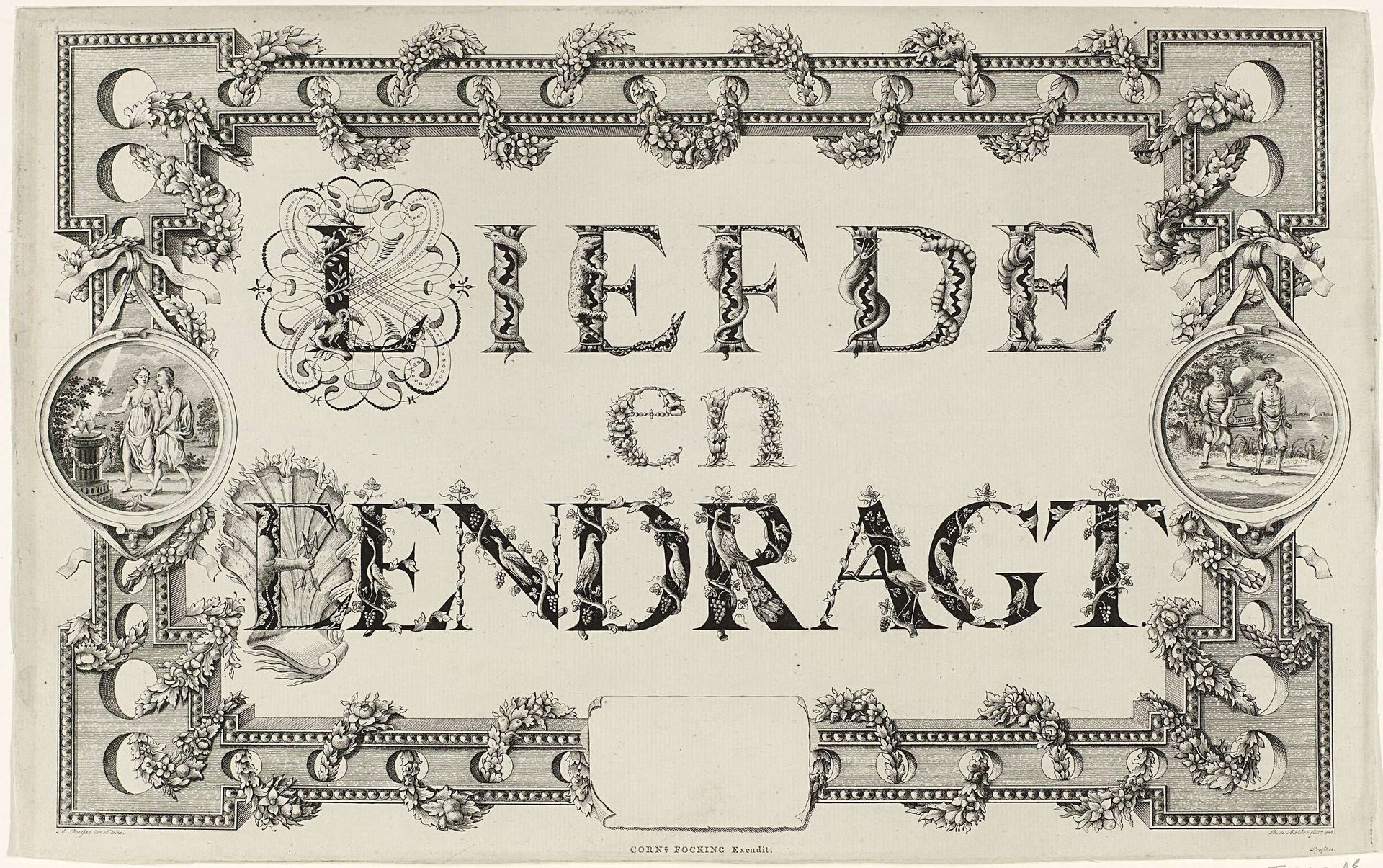
Barent de Bakker created this calligraphy on love and unity between 1787 and 1788. It’s a fascinating piece that intertwines the personal with the political in a period of social upheaval. The calligraphy, adorned with images of flora and fauna, speaks to a desire for harmony, but this was also a time of great political tension in the Netherlands, with Patriots and Orangists in conflict. The calligraphic style itself, with its elaborate, almost baroque sensibility, hints at the complex dance between tradition and the desire for change. Consider how the concept of "love and unity" might have been understood differently by various members of Dutch society at the time. For some, it might have represented a longing for social cohesion, while for others, it could have been a call to maintain the existing power structures. Here, the piece really comes alive as a reflection of a society grappling with its identity and future.
Kalligrafie op de liefde en eendracht, 1787-1788
1788

Barent de Bakker
@barentdebakkerLocation
RijksmuseumArtwork details
- Medium
- drawing, graphic-art, print, typography, ink, pen
- Dimensions
- height 283 mm, width 447 mm
- Location
- Rijksmuseum
- Copyright
- Rijks Museum: Open Domain
Tags
Comments
Share your thoughts
About this artwork
Barent de Bakker created this calligraphy on love and unity between 1787 and 1788. It’s a fascinating piece that intertwines the personal with the political in a period of social upheaval. The calligraphy, adorned with images of flora and fauna, speaks to a desire for harmony, but this was also a time of great political tension in the Netherlands, with Patriots and Orangists in conflict. The calligraphic style itself, with its elaborate, almost baroque sensibility, hints at the complex dance between tradition and the desire for change. Consider how the concept of "love and unity" might have been understood differently by various members of Dutch society at the time. For some, it might have represented a longing for social cohesion, while for others, it could have been a call to maintain the existing power structures. Here, the piece really comes alive as a reflection of a society grappling with its identity and future.
Comments
Share your thoughts