About this artwork
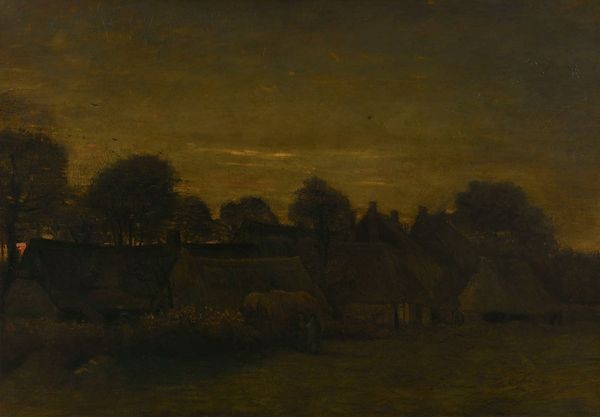
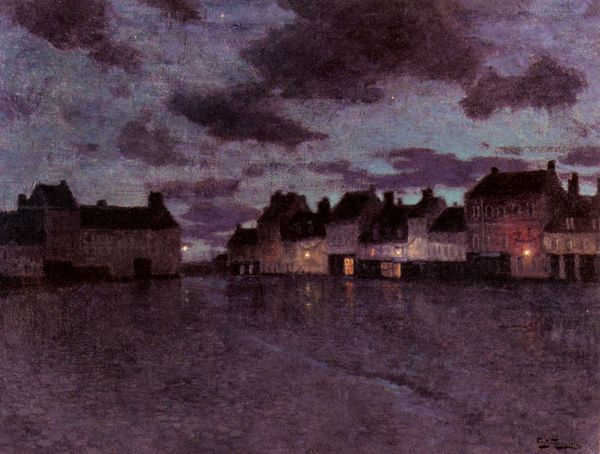
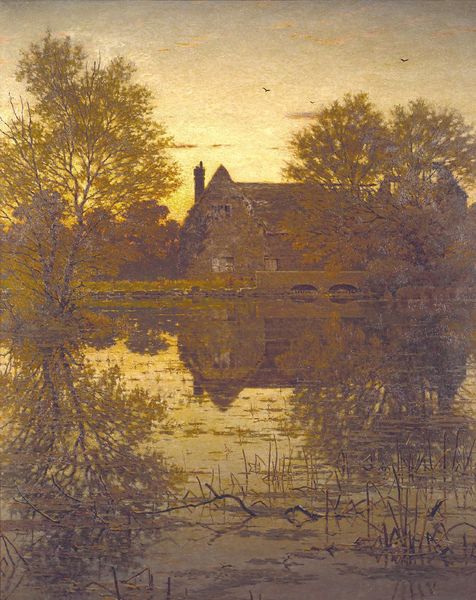
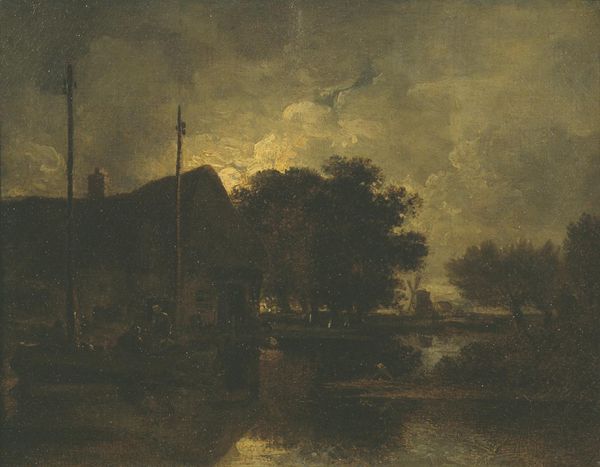
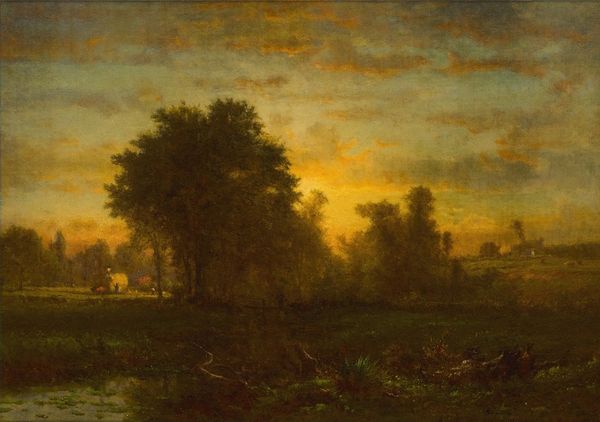
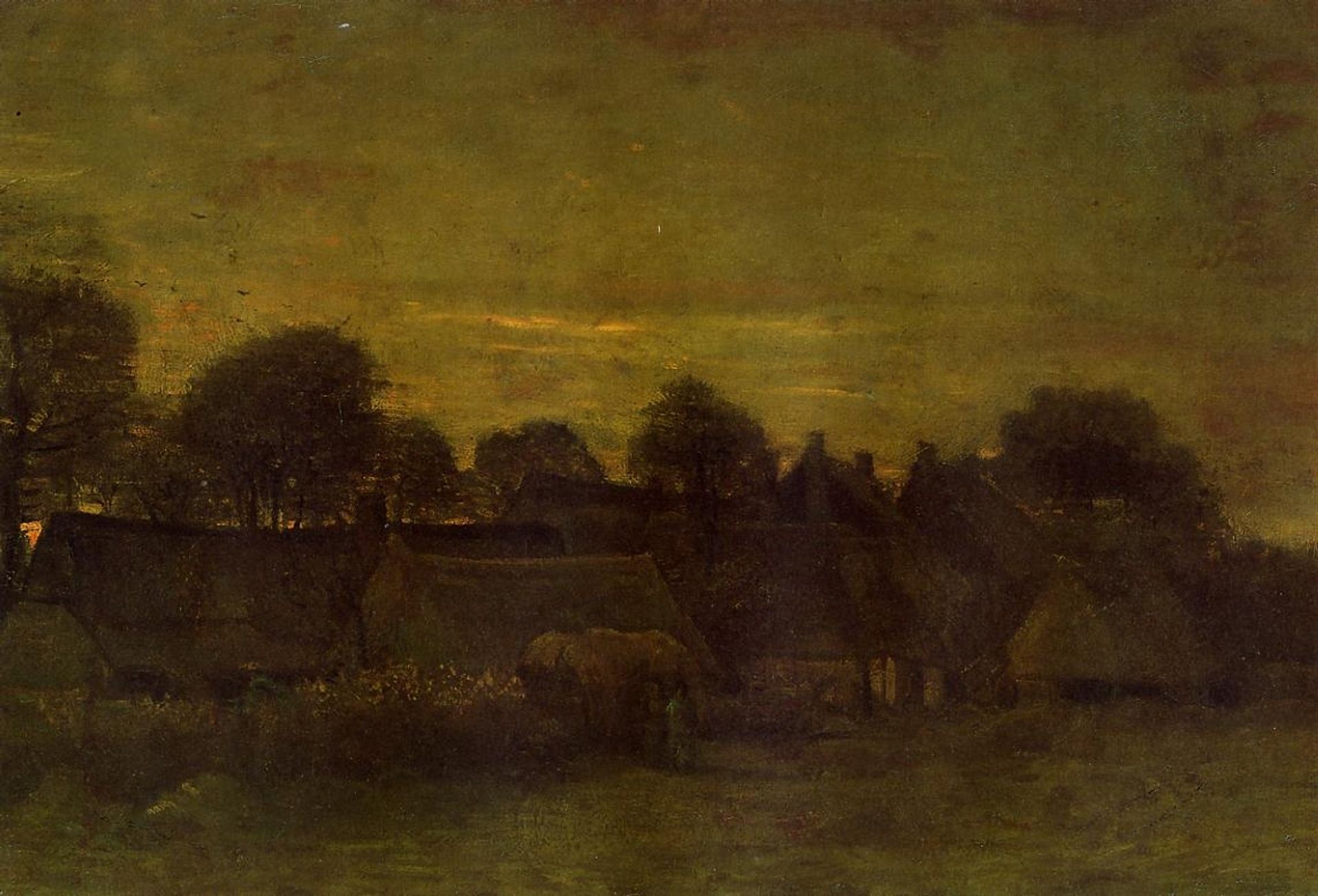
Vincent van Gogh painted this village scene using oil on canvas, and although the exact date is unknown, we can estimate that he made it sometime in the 1880s when he was living in the Netherlands. The image is dominated by the houses of the village, their dark thatch roofs merging into the surrounding trees and the darkening sky. The sunset is muted, casting the scene in a dim, almost melancholic light. This depiction of rural life resonates with the Realist movement, which sought to portray the everyday experiences of ordinary people. It is interesting to consider how this painting might reflect the social and economic realities of the Netherlands at the time, a period marked by industrialization and urbanization. Van Gogh’s choice to focus on a rural village could be seen as a commentary on these changes, perhaps even a critique of the growing alienation of modern life. Art historians often consult letters, journals, and other primary sources to understand the social conditions that shaped an artist's work, reminding us that art is always made within a specific historical and institutional context.
Village at sunset
1884

Vincent van Gogh
1853 - 1890Location
Stedelijk Museum, Amsterdam, NetherlandsArtwork details
- Medium
- painting, oil-paint
- Location
- Stedelijk Museum, Amsterdam, Netherlands
- Copyright
- Public domain
Tags
Comments
Share your thoughts
About this artwork
Vincent van Gogh painted this village scene using oil on canvas, and although the exact date is unknown, we can estimate that he made it sometime in the 1880s when he was living in the Netherlands. The image is dominated by the houses of the village, their dark thatch roofs merging into the surrounding trees and the darkening sky. The sunset is muted, casting the scene in a dim, almost melancholic light. This depiction of rural life resonates with the Realist movement, which sought to portray the everyday experiences of ordinary people. It is interesting to consider how this painting might reflect the social and economic realities of the Netherlands at the time, a period marked by industrialization and urbanization. Van Gogh’s choice to focus on a rural village could be seen as a commentary on these changes, perhaps even a critique of the growing alienation of modern life. Art historians often consult letters, journals, and other primary sources to understand the social conditions that shaped an artist's work, reminding us that art is always made within a specific historical and institutional context.
Comments
Share your thoughts