About this artwork
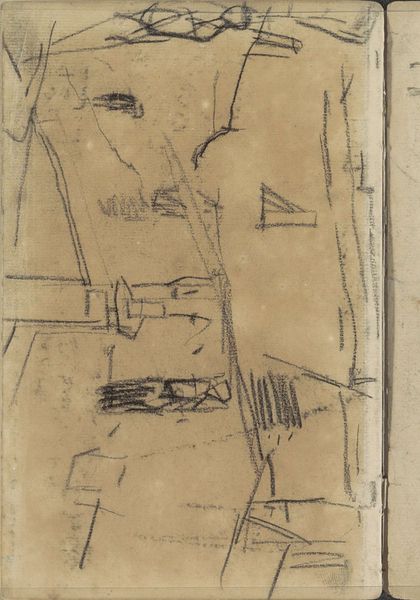
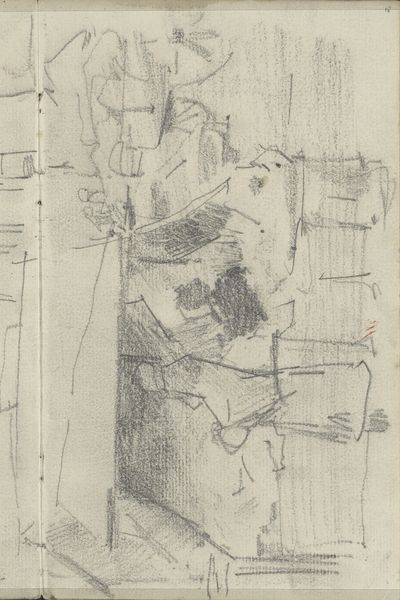
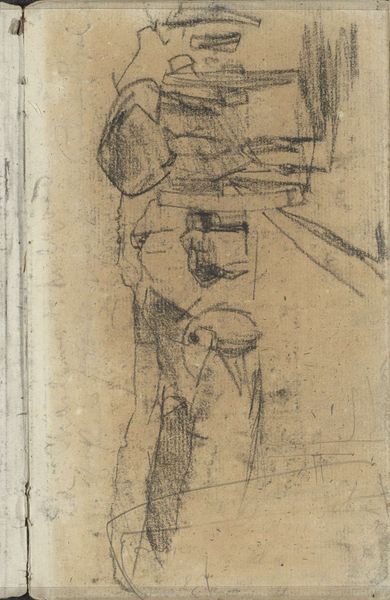
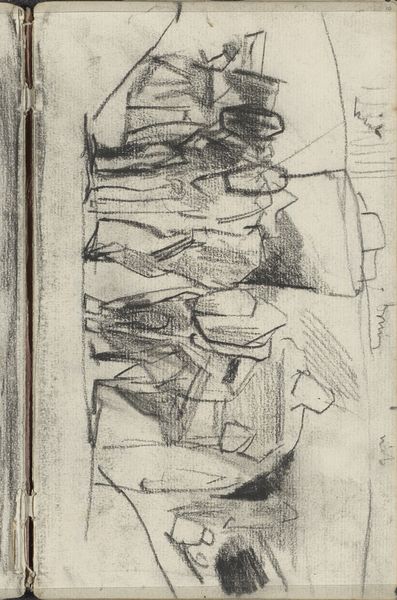
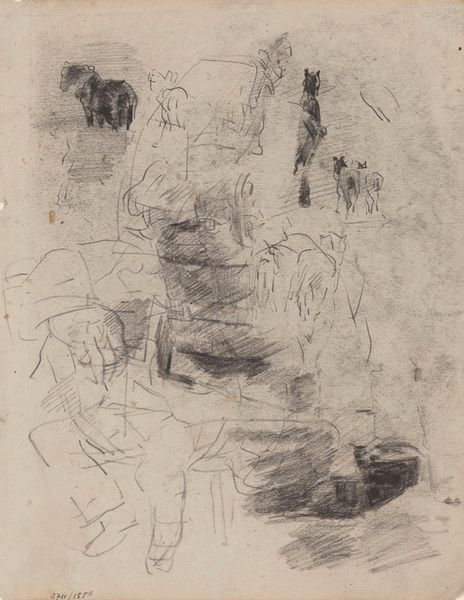
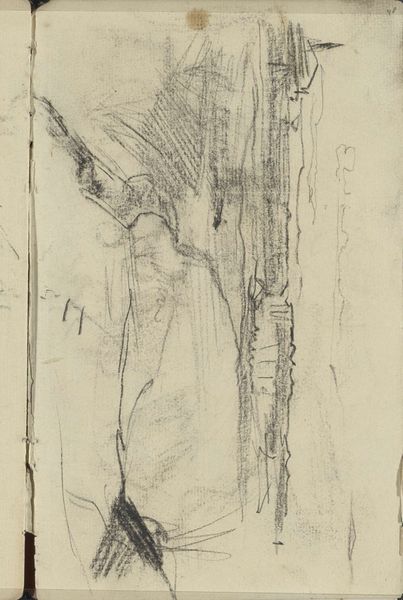
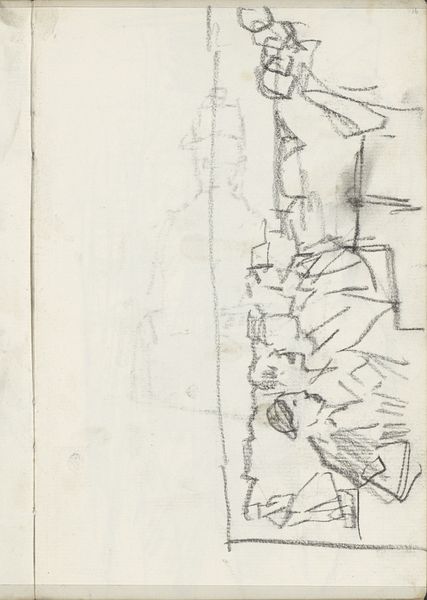
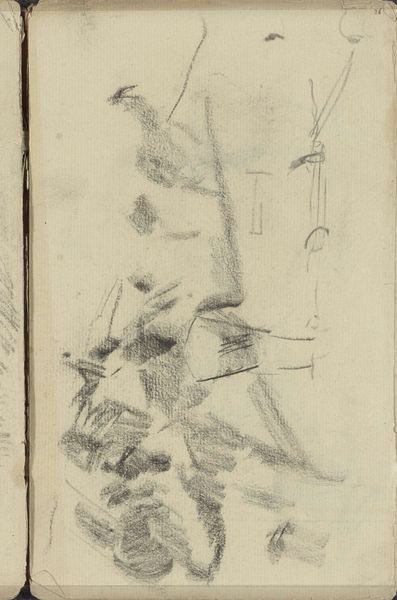
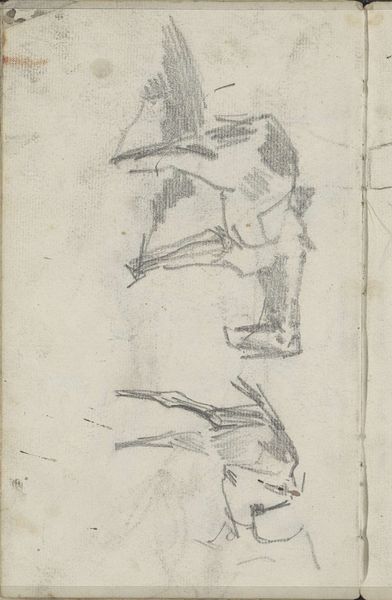
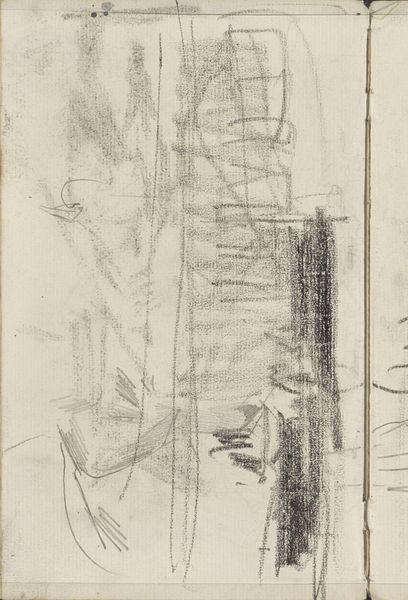
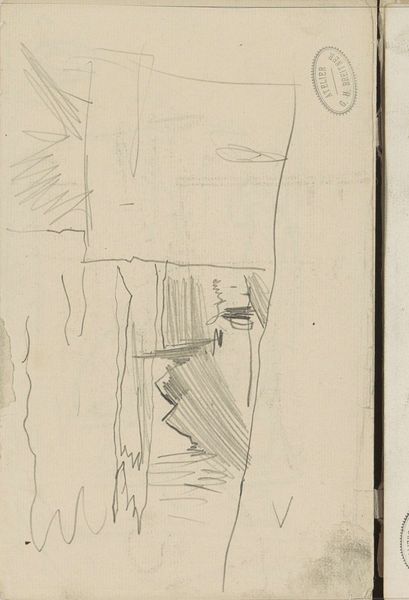
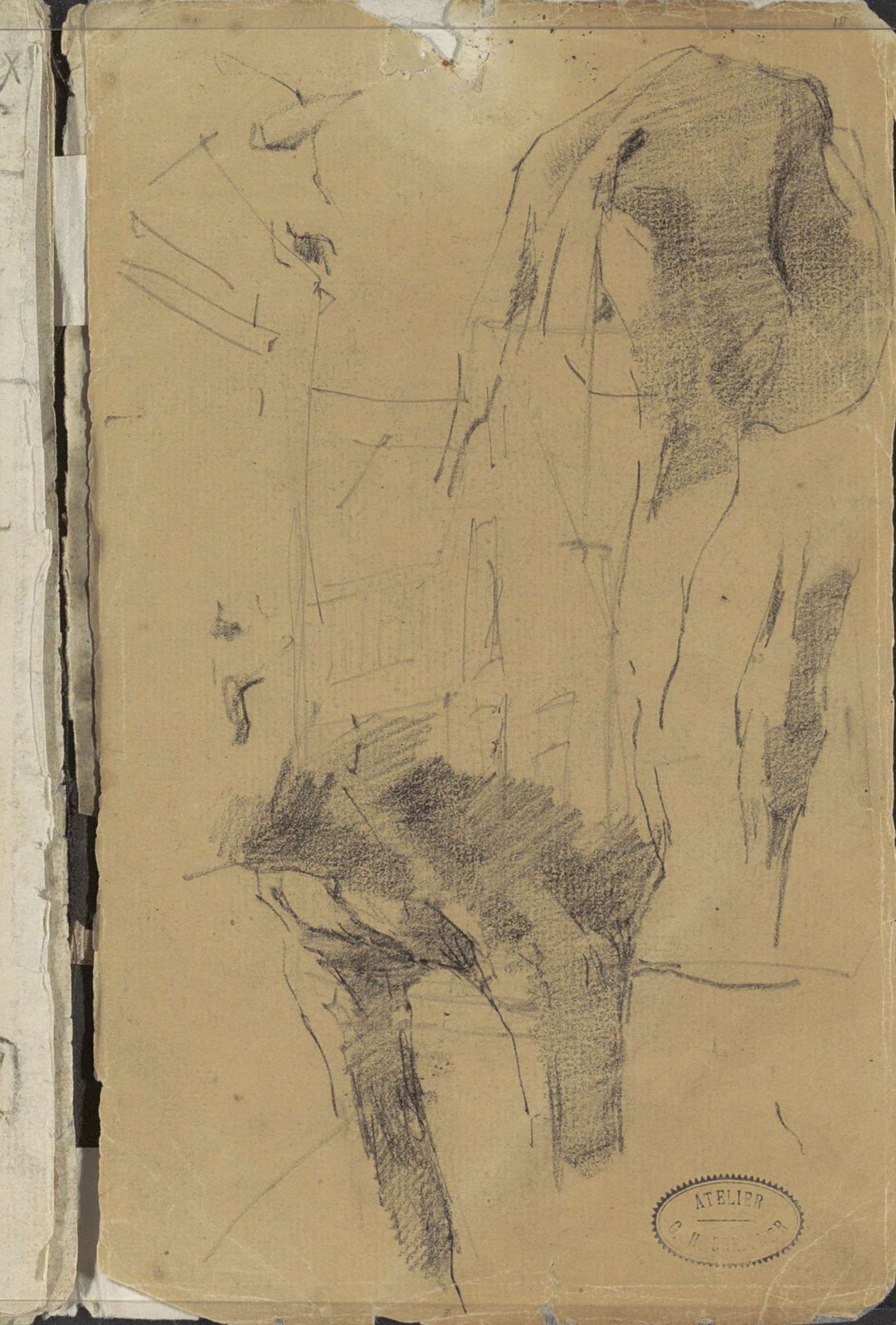
Editor: This is "Studies van paarden," or "Studies of Horses," by George Hendrik Breitner, likely from the 1880s. It's a pencil drawing on paper and has a very loose, unfinished quality, almost like a glimpse into the artist’s process. What do you see in this piece beyond the obvious subject matter? Curator: I see Breitner engaging with the social realities of his time. Remember, he was known as the 'painter of the people.’ The rapid sketches, the unfinished quality – they speak to the urgency of documenting a changing world. This isn't just about horses; it’s about capturing a fleeting moment in the urban landscape, and about the labor involved in animal power within that context. Consider the role of horses in 19th-century society – what does their depiction here suggest about the intersection of animal labor, class, and industrialization? Editor: So you're saying the sketchiness is deliberate, a commentary rather than a lack of skill? I had interpreted it as just practice work. Curator: Exactly! Breitner was influenced by Impressionism but grounded in social observation. He wasn't just interested in the aesthetic quality of light and shadow; he was interested in documenting the social conditions around him. This seemingly simple study of horses, therefore, carries the weight of a society in transition. Think about how access to representing and even *seeing* certain subjects and themes would be dependent on one’s class, gender, or social standing. How does Breitner’s background allow him access to these scenes? Editor: That makes me look at it completely differently. I was focused on the horses themselves, not what they represented. I suppose art doesn’t exist in a vacuum, then? Curator: Precisely. Understanding the historical context and the artist’s socio-political awareness enriches our interpretation immeasurably. It challenges us to move beyond mere observation and engage in critical dialogue with the artwork. Editor: I will definitely keep in mind the power of context, especially historical context. Thank you.
Studies van paarden
Possibly 1881 - 1886

George Hendrik Breitner
1857 - 1923Location
RijksmuseumArtwork details
- Medium
- drawing, paper, pencil
- Location
- Rijksmuseum
- Copyright
- Rijks Museum: Open Domain
Tags
Comments
Share your thoughts
About this artwork
Editor: This is "Studies van paarden," or "Studies of Horses," by George Hendrik Breitner, likely from the 1880s. It's a pencil drawing on paper and has a very loose, unfinished quality, almost like a glimpse into the artist’s process. What do you see in this piece beyond the obvious subject matter? Curator: I see Breitner engaging with the social realities of his time. Remember, he was known as the 'painter of the people.’ The rapid sketches, the unfinished quality – they speak to the urgency of documenting a changing world. This isn't just about horses; it’s about capturing a fleeting moment in the urban landscape, and about the labor involved in animal power within that context. Consider the role of horses in 19th-century society – what does their depiction here suggest about the intersection of animal labor, class, and industrialization? Editor: So you're saying the sketchiness is deliberate, a commentary rather than a lack of skill? I had interpreted it as just practice work. Curator: Exactly! Breitner was influenced by Impressionism but grounded in social observation. He wasn't just interested in the aesthetic quality of light and shadow; he was interested in documenting the social conditions around him. This seemingly simple study of horses, therefore, carries the weight of a society in transition. Think about how access to representing and even *seeing* certain subjects and themes would be dependent on one’s class, gender, or social standing. How does Breitner’s background allow him access to these scenes? Editor: That makes me look at it completely differently. I was focused on the horses themselves, not what they represented. I suppose art doesn’t exist in a vacuum, then? Curator: Precisely. Understanding the historical context and the artist’s socio-political awareness enriches our interpretation immeasurably. It challenges us to move beyond mere observation and engage in critical dialogue with the artwork. Editor: I will definitely keep in mind the power of context, especially historical context. Thank you.
Comments
Share your thoughts