
Curatorial notes
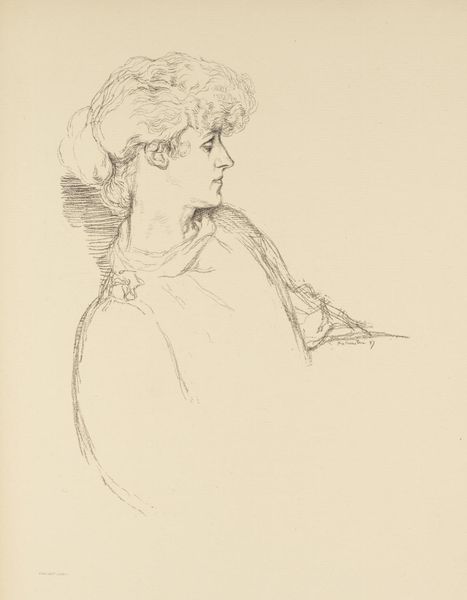
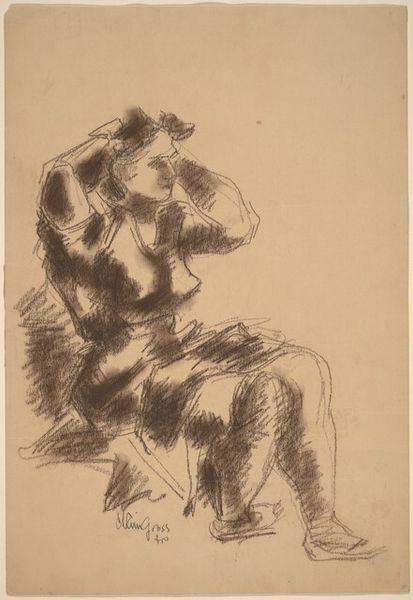
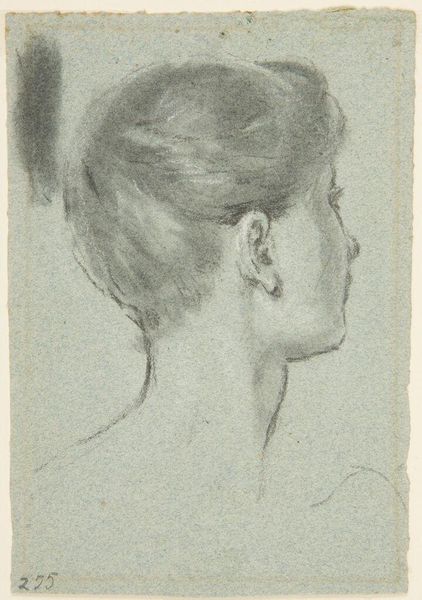
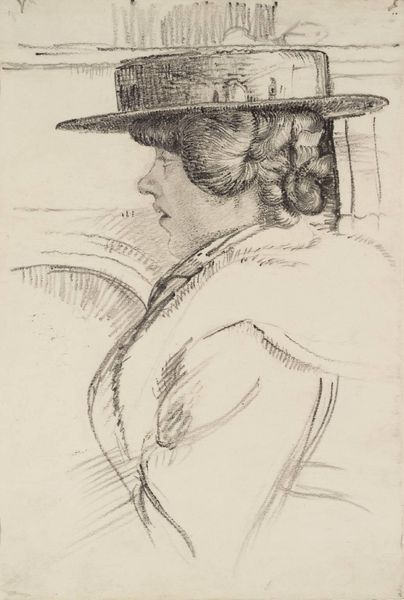
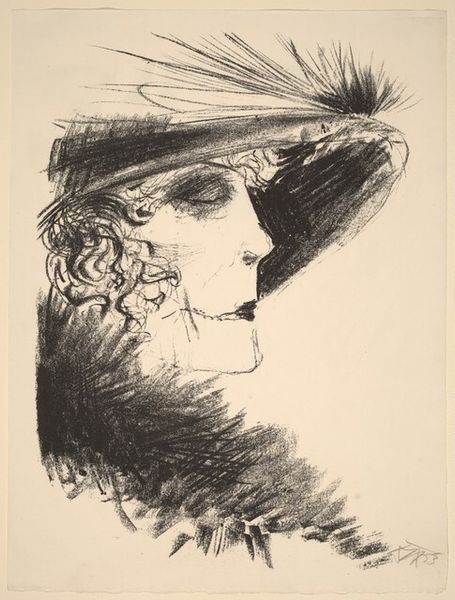
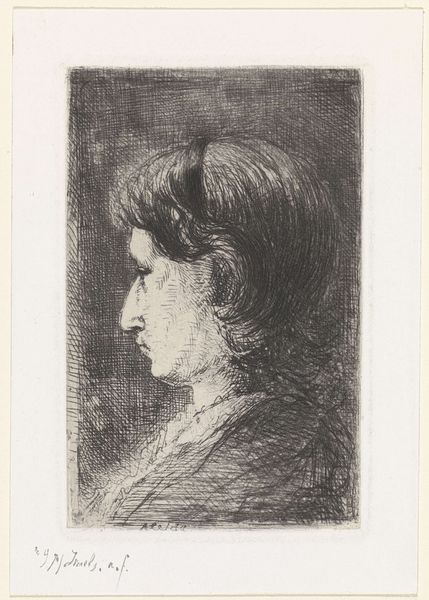
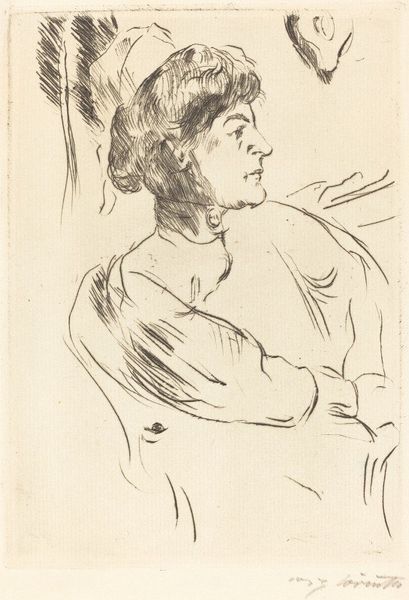
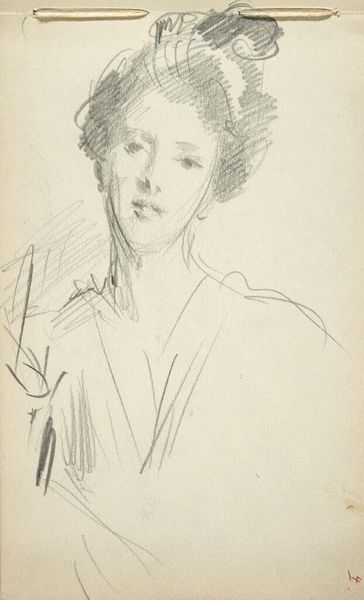
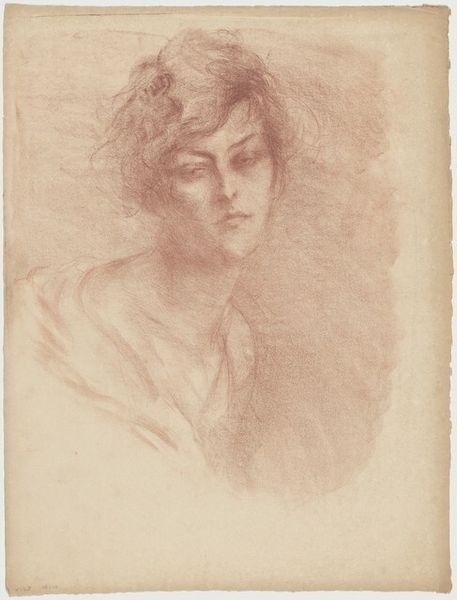
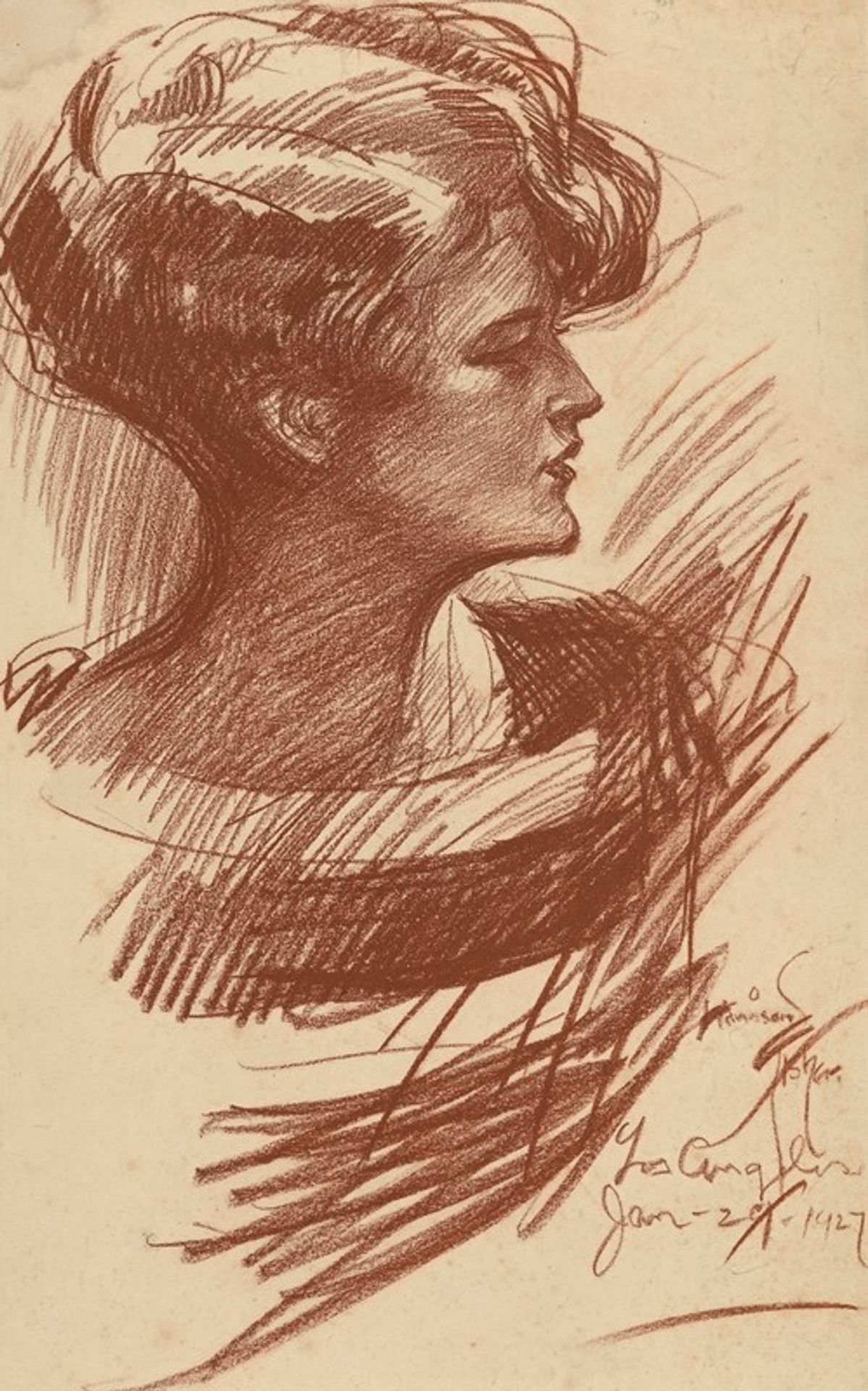
Harrison Fisher drew this portrait of Zelda Sayre Fitzgerald in Los Angeles, in 1927. It’s made with a dry media, probably sanguine conte crayon on paper. You can see the strokes very clearly: notice the layered marks, used to create the volume of her form. The artist uses hatching and cross-hatching to suggest depth and shadow, giving the drawing a sense of texture, and the overall effect is one of immediacy and spontaneity. As a popular illustrator, Fisher mass-produced images of women for magazines and books. This portrait on paper is a study for his more commercial work, a quick sketch to be produced at scale for the market. The work itself is not particularly laborious, but it’s a fascinating document of the labor that went into image-making at that time, and the way it was tied to a larger culture of celebrity and consumerism. Ultimately, this drawing reminds us that even seemingly simple sketches are embedded in a web of social and economic forces. It challenges us to consider the role of materials, making, and context in understanding the full meaning of an artwork.