1900 - 1905
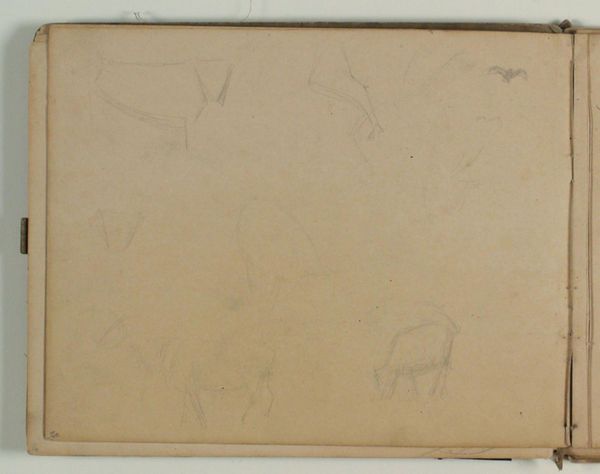
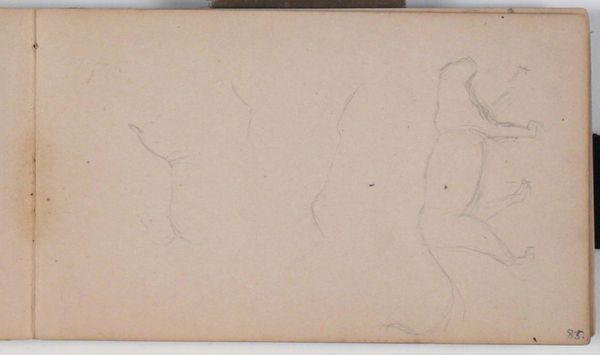
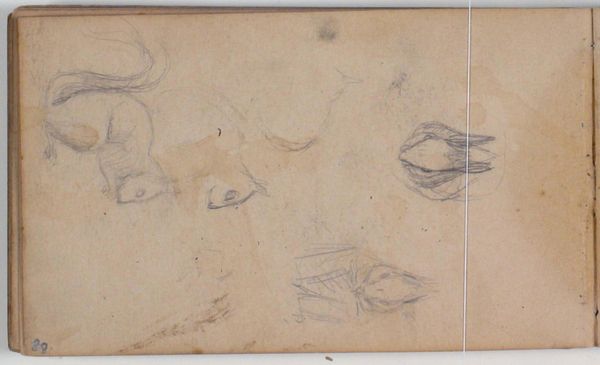
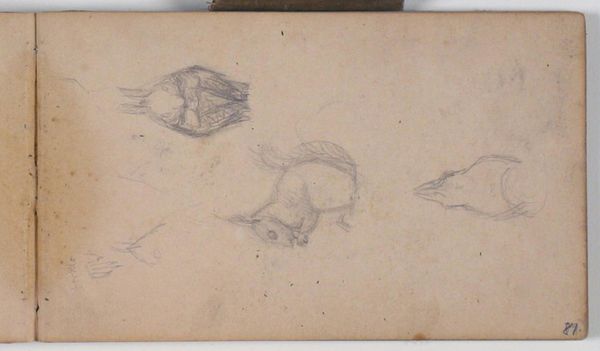
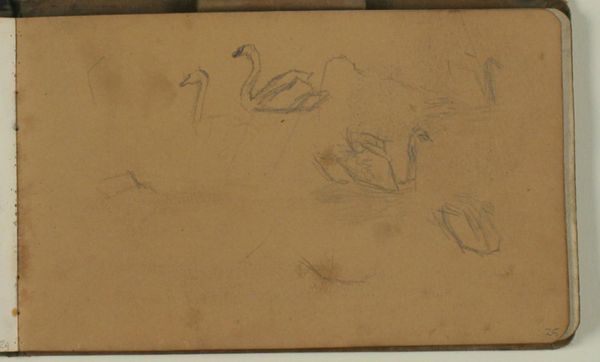
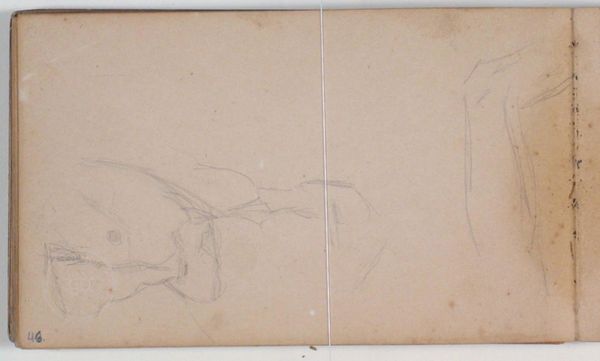
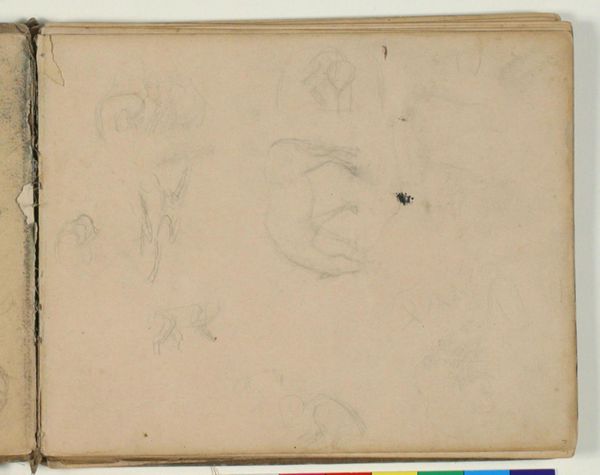
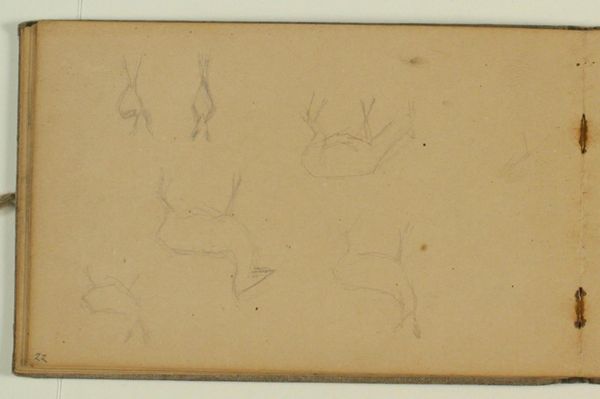
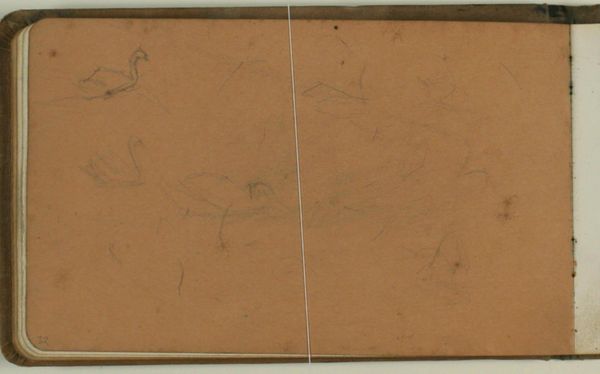
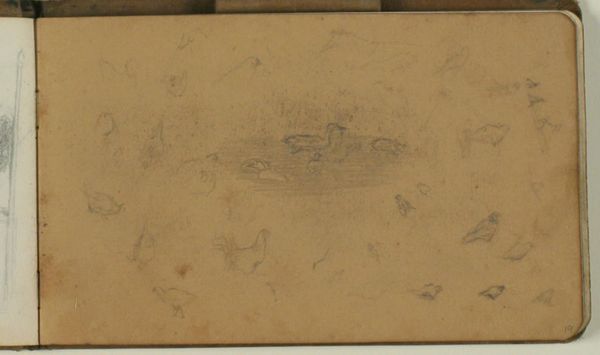
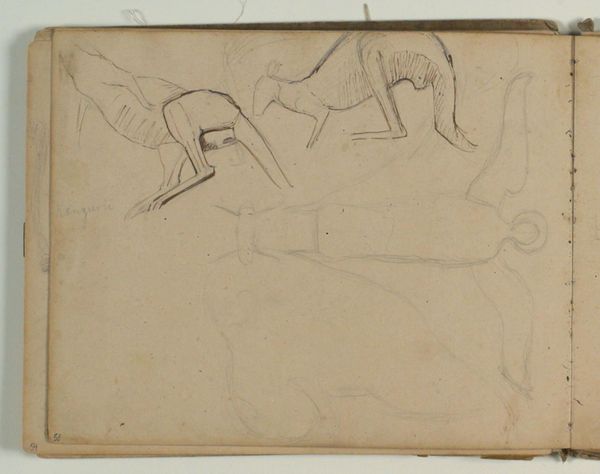
Skitser af kalv og løse rids


Listen to curator's interpretation
Curatorial notes
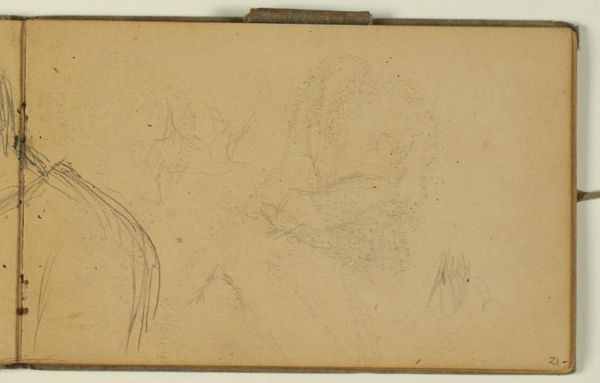
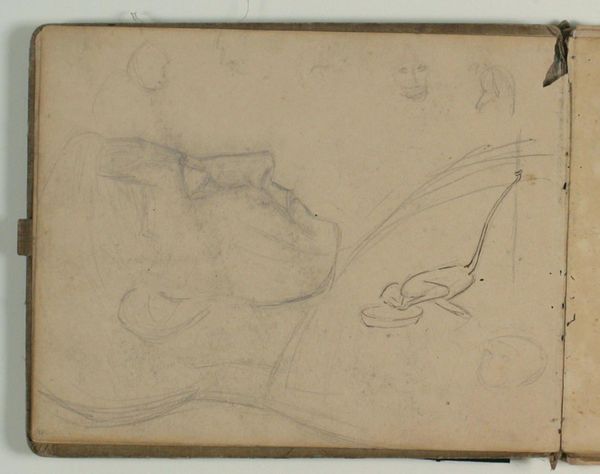
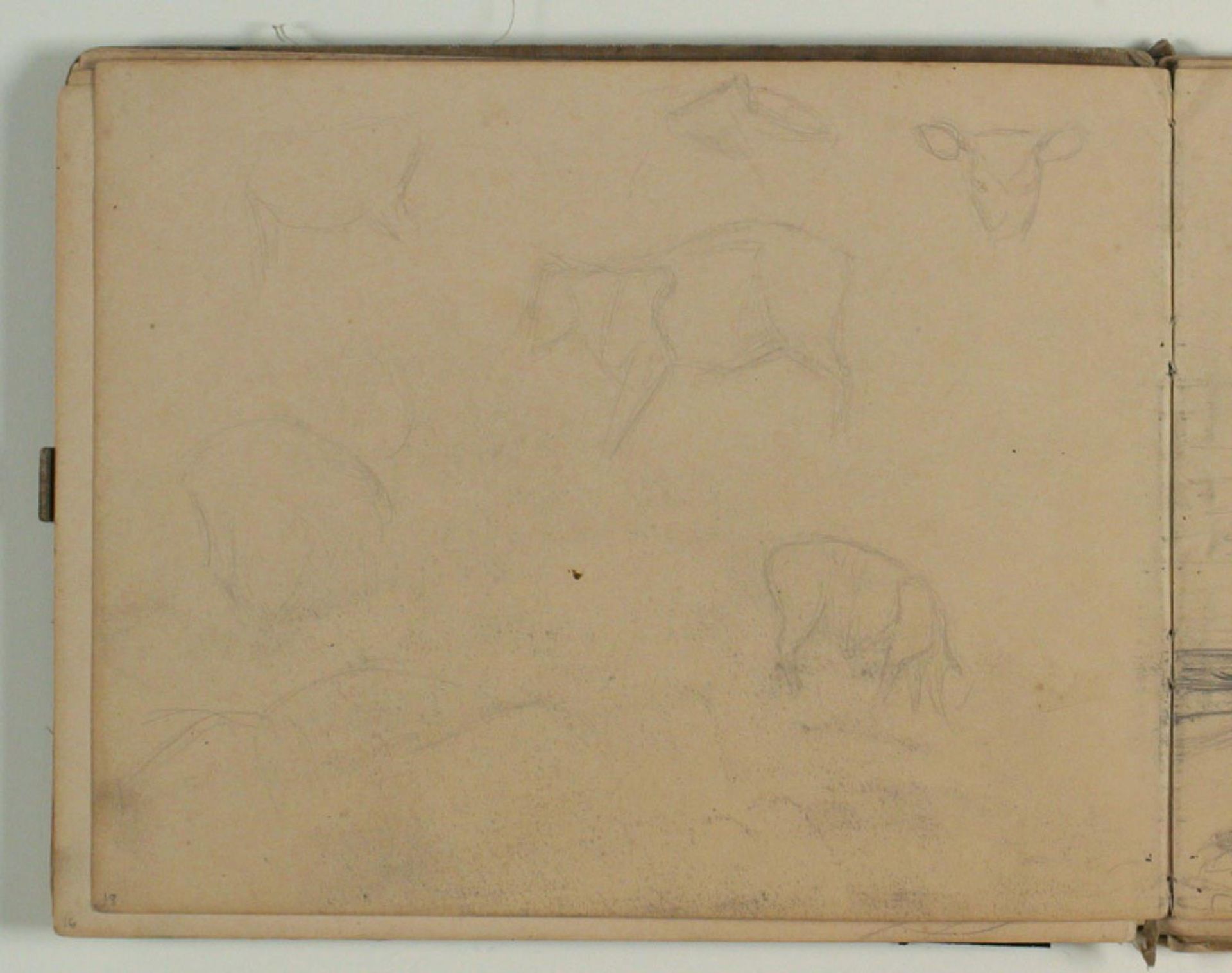
Editor: Here we have "Skitser af kalv og løse rids," or "Sketches of a calf and loose sketches" by Niels Larsen Stevns, dating from 1900 to 1905. It's a pencil drawing on paper. It feels very immediate and personal, like we’re looking right into the artist’s sketchbook. What do you see in this collection of sketches? Curator: These sketches are so evocative. For me, the calf embodies vulnerability, innocence... a return to a primal connection. The rapid lines, the unfinished quality—they suggest the fleeting nature of life, how memories, like sketches, are often fragmented and incomplete. Editor: Fleeting nature of life... that’s interesting! I hadn't thought of it that way. Is it just me, or is there something comforting about the simplicity of these drawings? Curator: Absolutely! There's a certain universality to the image of a calf. It represents new beginnings, perhaps a sense of hope. And consider the time these were made - right at the turn of the century when modern life was dawning. Do you think these evoke any cultural memories about nature and simplicity versus that looming progress? Editor: It's like the artist is holding onto something fundamental, maybe even pushing back against industrialization. That makes a lot of sense. Curator: Exactly! The calf becomes more than just a farm animal; it transforms into a symbol of an older, simpler world. Editor: I appreciate the sketch even more now, knowing there are possible meanings to decipher from a seemingly simple artwork! Curator: Indeed. An image can become an anchor in cultural memory, reminding us of what we risk losing as we move forward. It highlights what we collectively cherish.