17th century
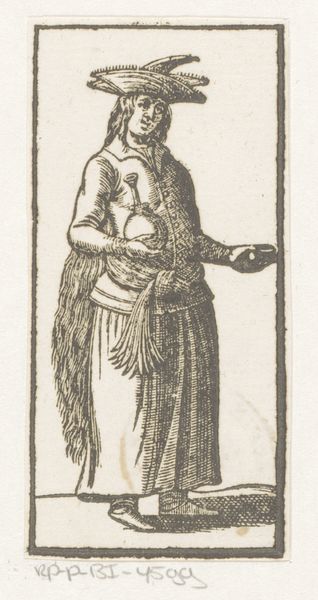
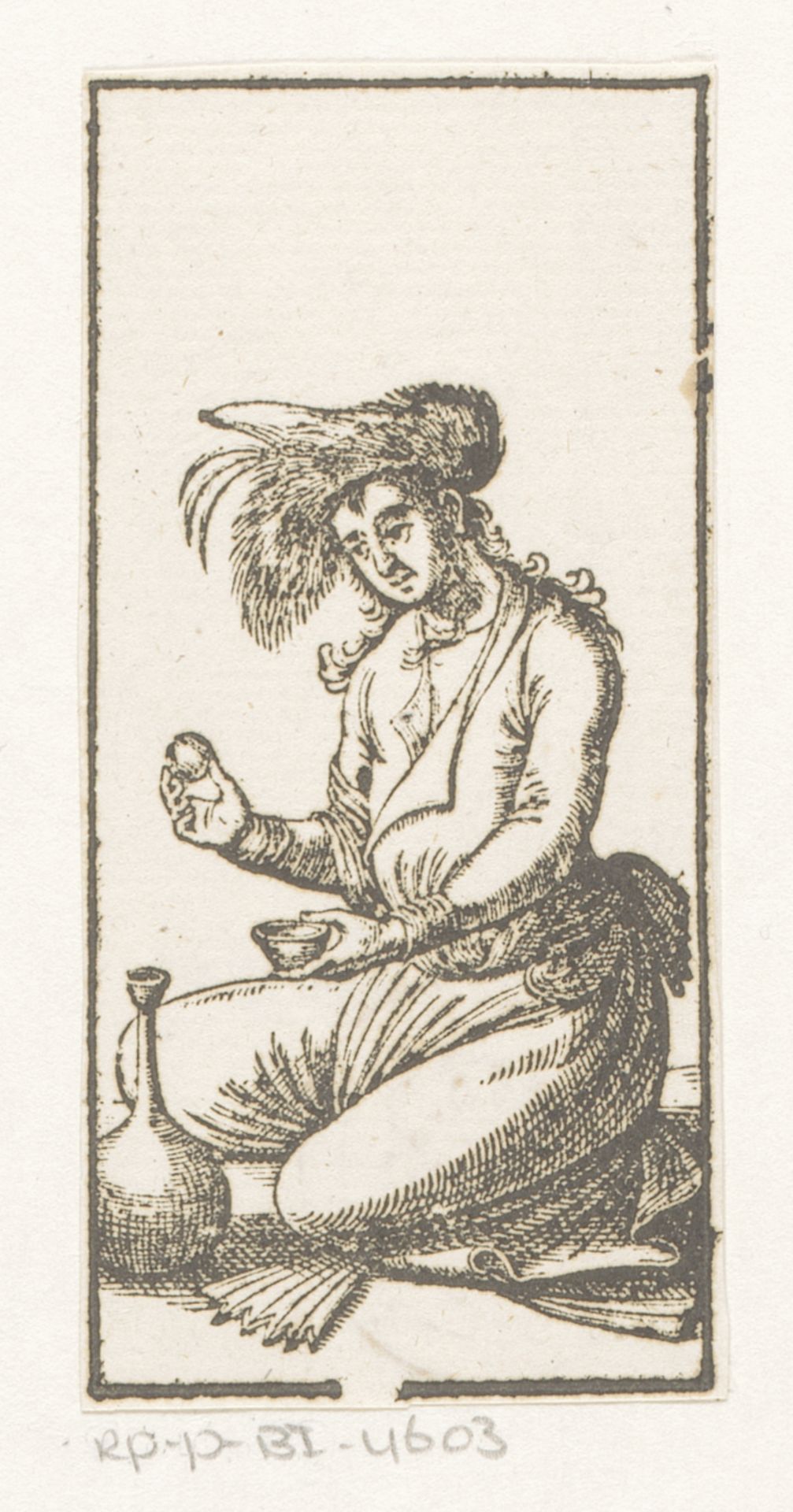
Knielende man met een bal, een kom en een kruik

Listen to curator's interpretation
Curatorial notes
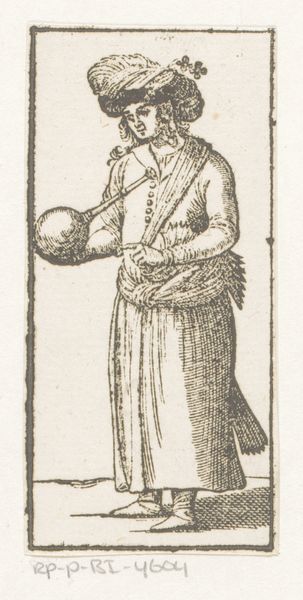
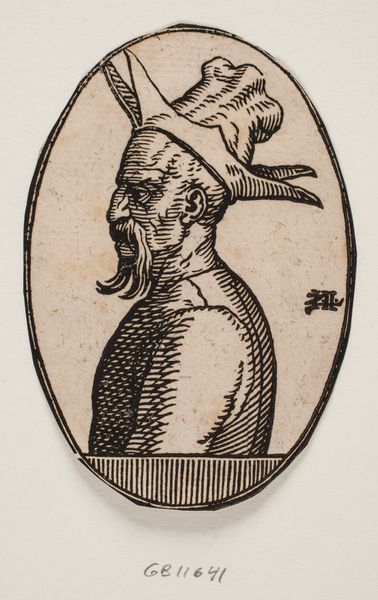
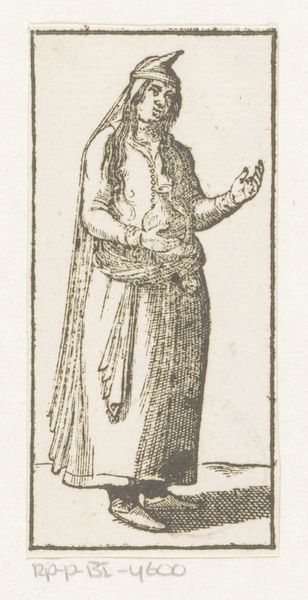
This print of a kneeling man with a ball, a bowl, and a jug was made by an anonymous artist and its date is unknown. The figure’s exotic, perhaps Turkish or Persian, dress tells us that this is likely a so-called “Turkish print,” a popular genre across Europe from the sixteenth century onwards. The popularity of these prints speaks to the growth of cultural exchange, trade, and military conflict between Europe and the Ottoman Empire. Prints like these played a role in shaping European understandings of the East. The man’s objects – the jug, bowl, and ball – are also revealing. Perhaps this is an alchemist or apothecary, a fashionable figure in the late Renaissance. Or perhaps the image is allegorical, the objects acting as symbols in a didactic image. To better understand this, we can look to similar prints and the rich tradition of emblem books. With these, we can begin to unravel the meanings hidden within. Art is nothing if not a product of, and reflection on, its time.