About this artwork
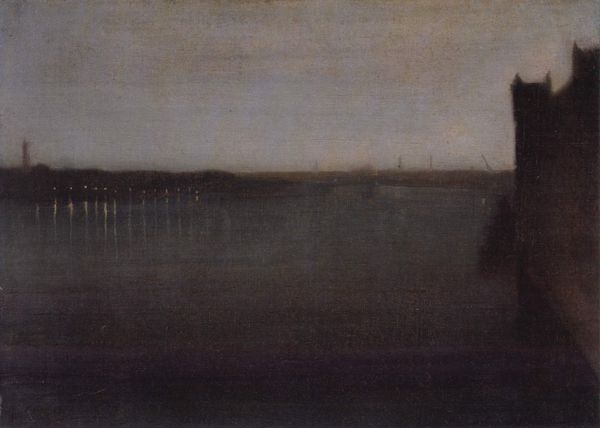
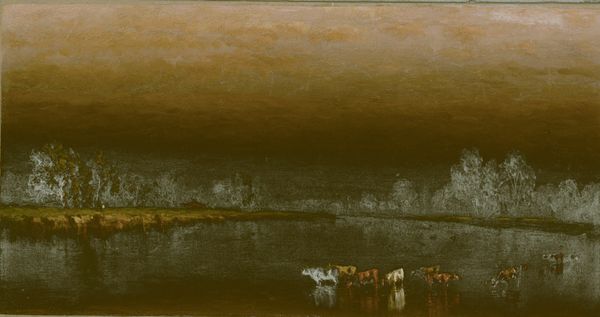
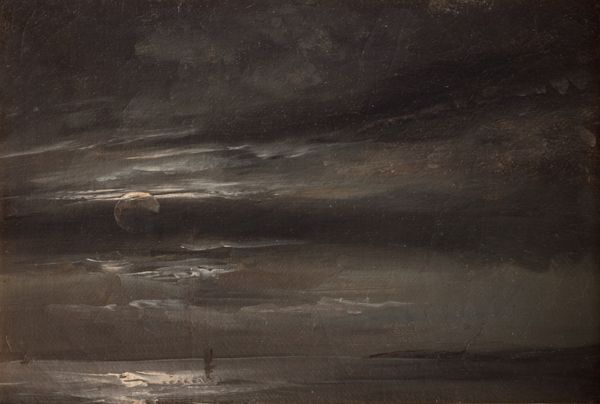
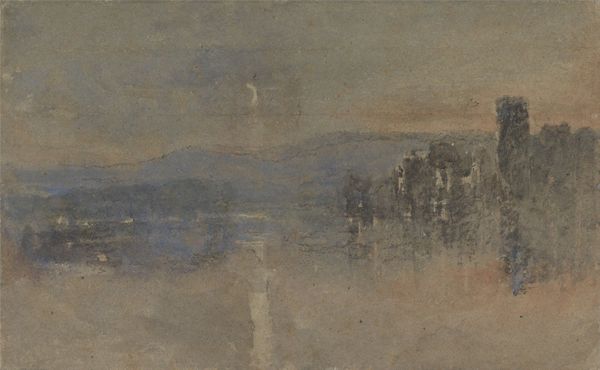
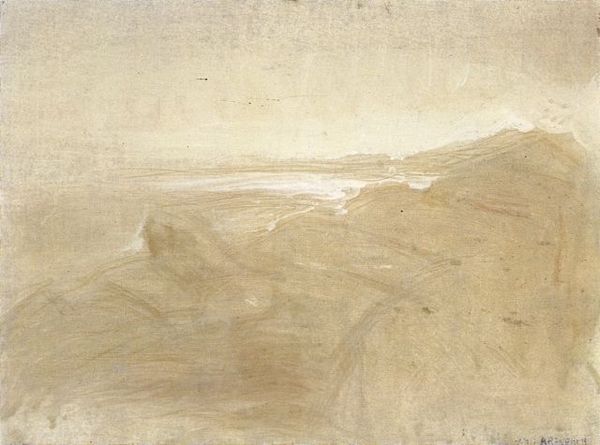
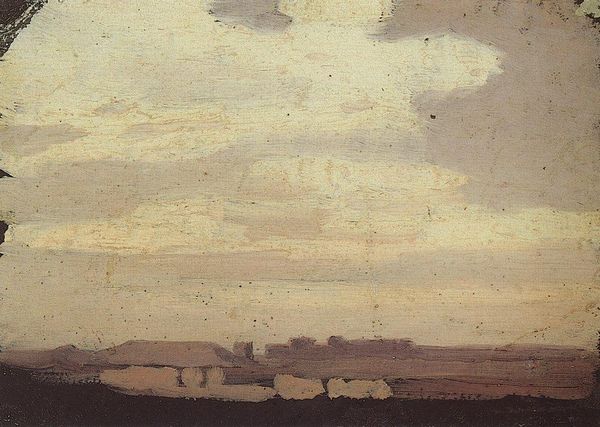
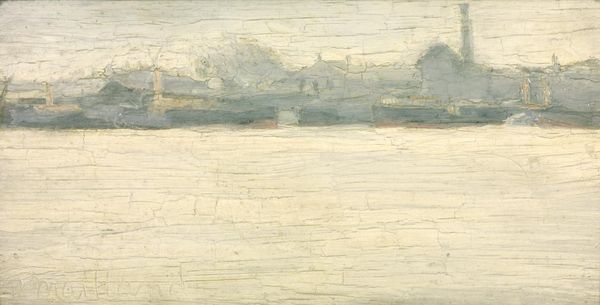
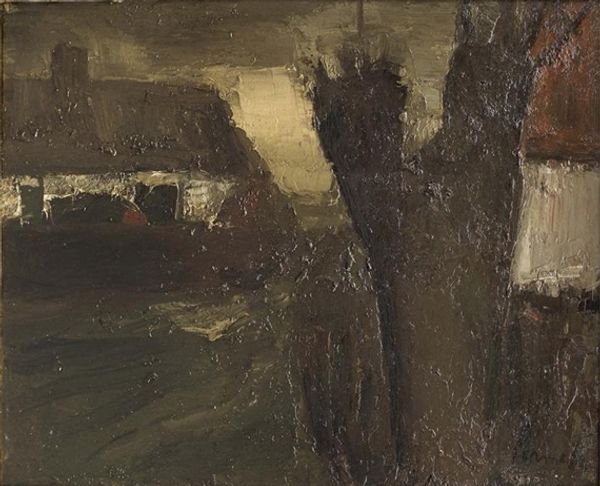
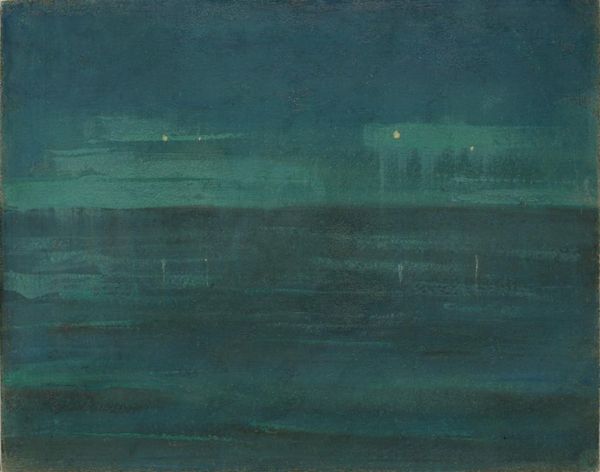
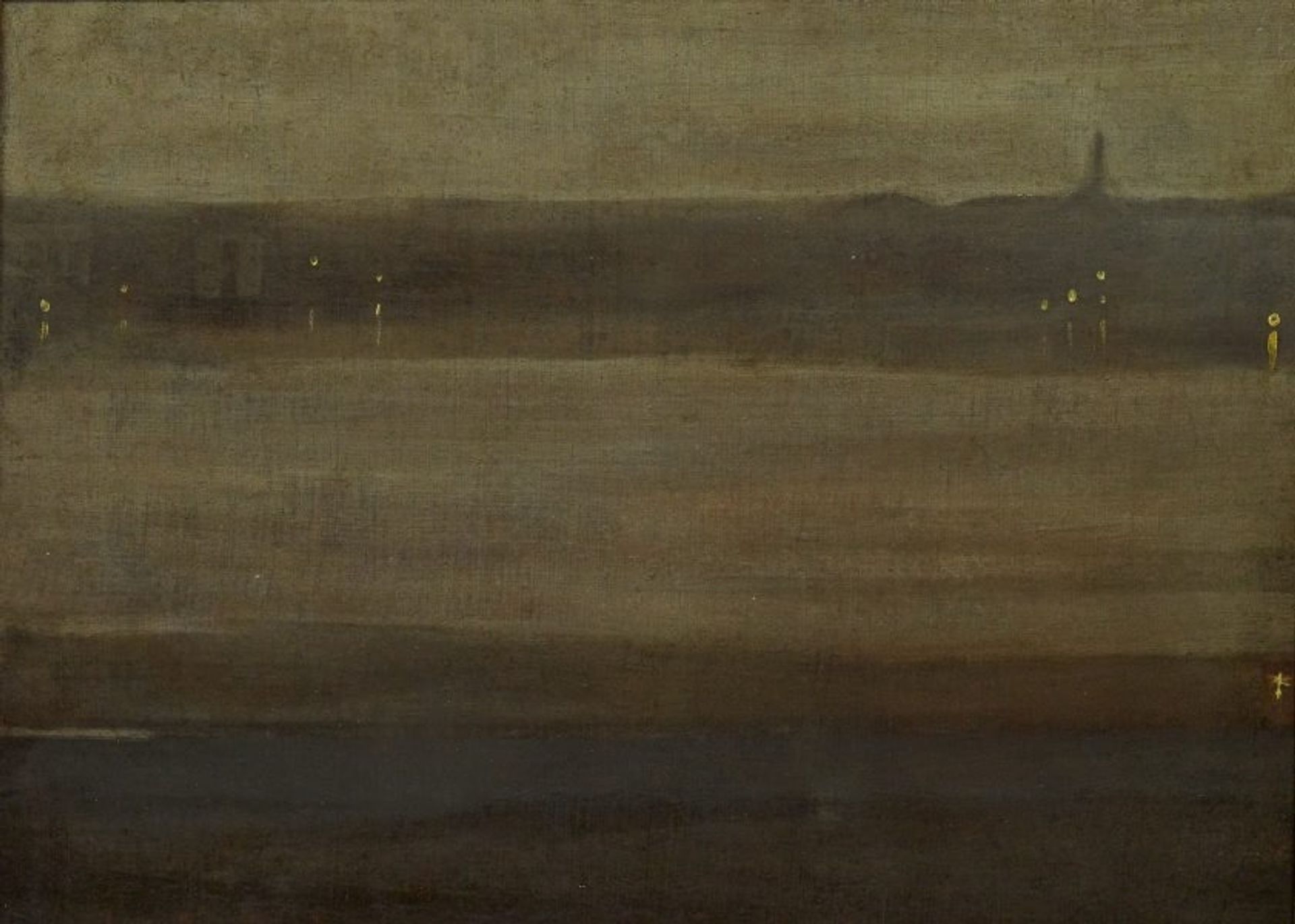
James McNeill Whistler created this painting, Nocturne: Grey and Silver, the Thames, using oil on canvas. The composition strikes you with its simplicity and tonal harmony. Horizontal bands of muted greys and browns evoke the still, reflective surface of the Thames at night. Barely visible, the ghostly lights of the city flicker faintly on the horizon. Whistler's approach to painting was deeply influenced by aestheticism, prioritizing visual harmony over narrative. In this nocturne, he reduces the scene to its essential forms, focusing on the interplay of color and light. The subtle gradations of tone create a sense of depth and atmosphere, drawing you into the tranquil, almost abstract world. Consider how Whistler uses a limited palette to create a mood. The lack of detail encourages contemplation, inviting us to appreciate the beauty of the scene itself. This reflects Whistler's belief in "art for art's sake," and his emphasis on the intrinsic qualities of painting as a medium.

Artwork details
- Copyright
- Public domain
Tags
impressionistic
abstract expressionism
abstract painting
rough brush stroke
possibly oil pastel
derelict
underpainting
paint stroke
watercolor
shadow overcast
Comments
No comments
About this artwork
James McNeill Whistler created this painting, Nocturne: Grey and Silver, the Thames, using oil on canvas. The composition strikes you with its simplicity and tonal harmony. Horizontal bands of muted greys and browns evoke the still, reflective surface of the Thames at night. Barely visible, the ghostly lights of the city flicker faintly on the horizon. Whistler's approach to painting was deeply influenced by aestheticism, prioritizing visual harmony over narrative. In this nocturne, he reduces the scene to its essential forms, focusing on the interplay of color and light. The subtle gradations of tone create a sense of depth and atmosphere, drawing you into the tranquil, almost abstract world. Consider how Whistler uses a limited palette to create a mood. The lack of detail encourages contemplation, inviting us to appreciate the beauty of the scene itself. This reflects Whistler's belief in "art for art's sake," and his emphasis on the intrinsic qualities of painting as a medium.
Comments
No comments