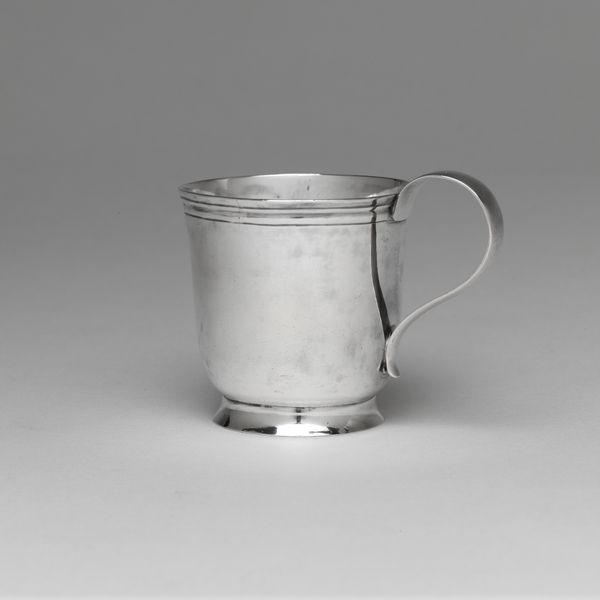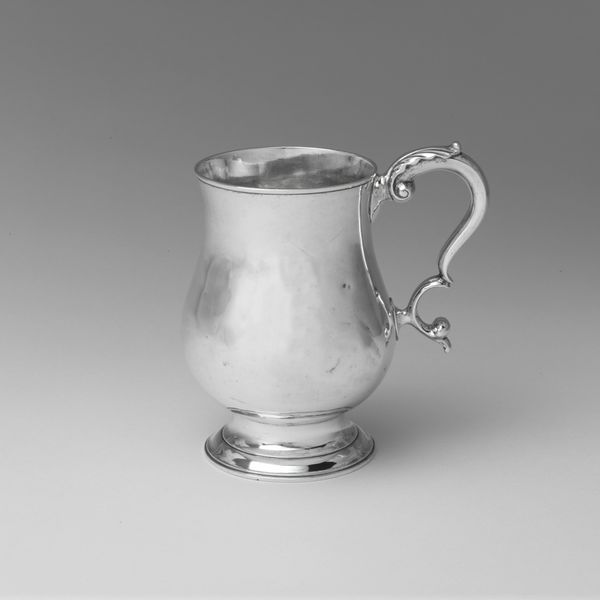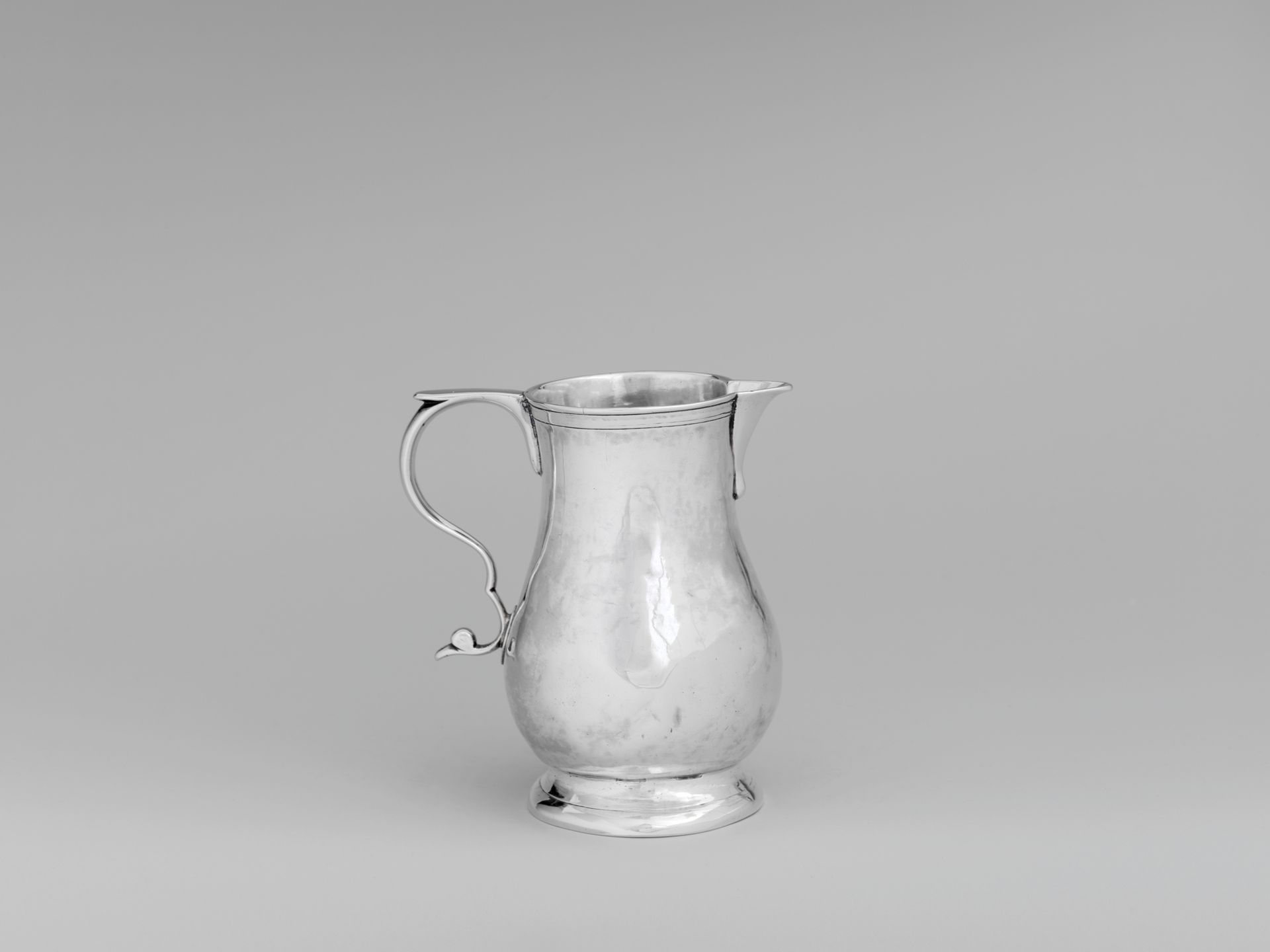
1735 - 1745
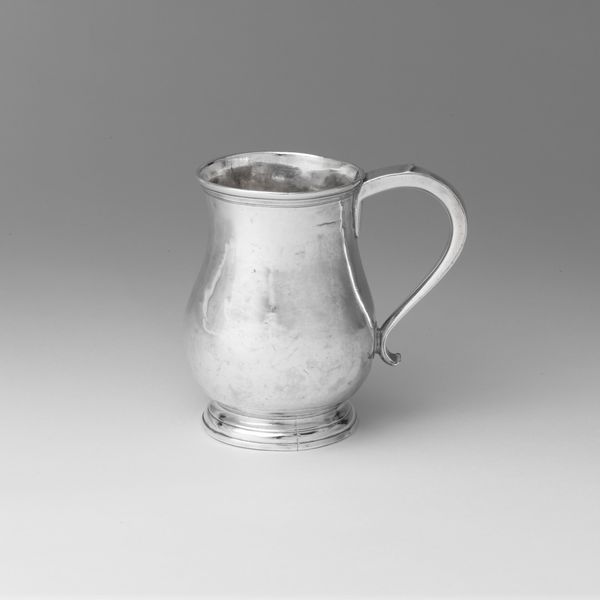
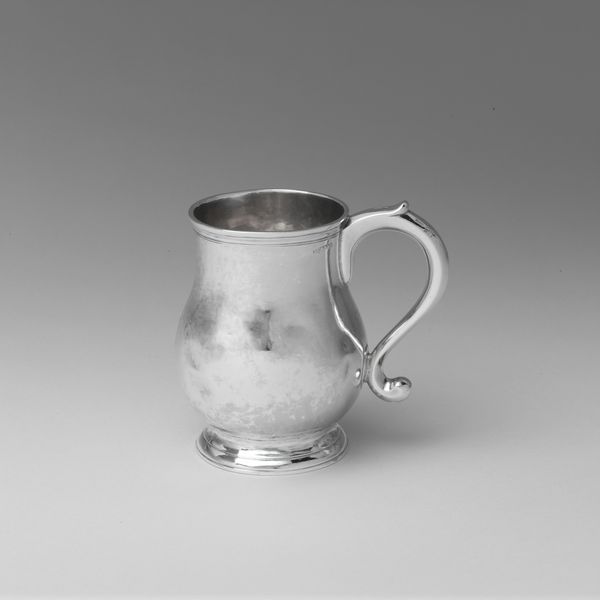
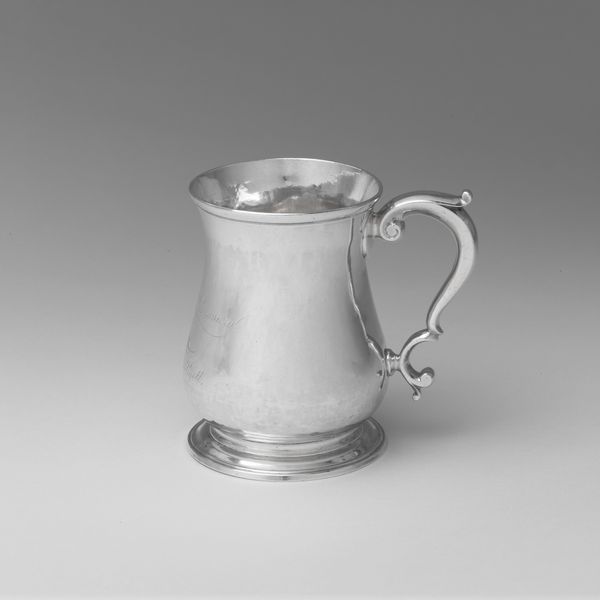
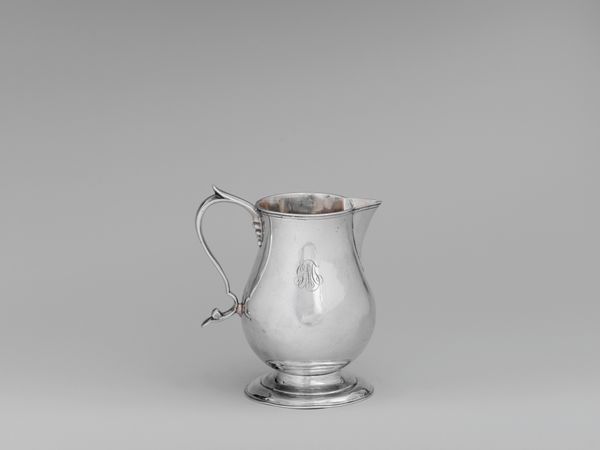
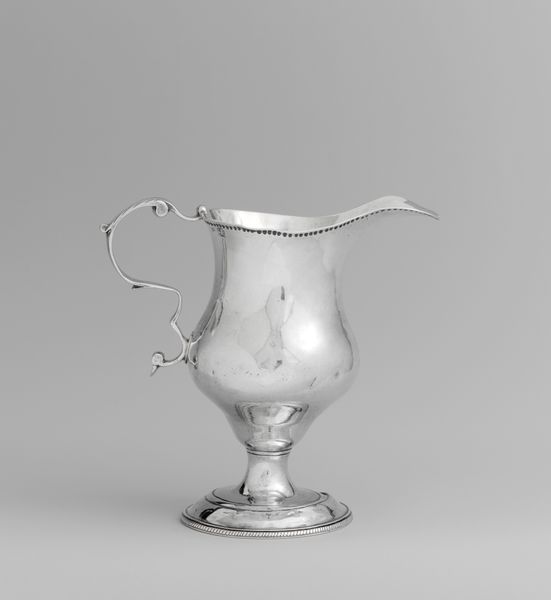
Creampot


Listen to curator's interpretation
Curatorial notes
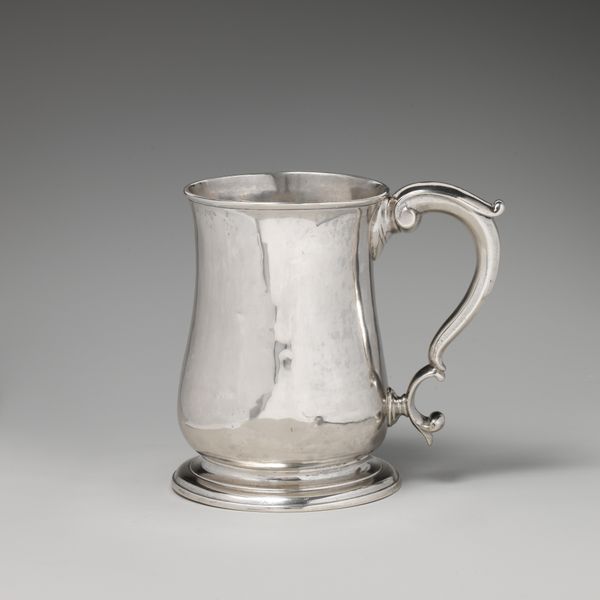
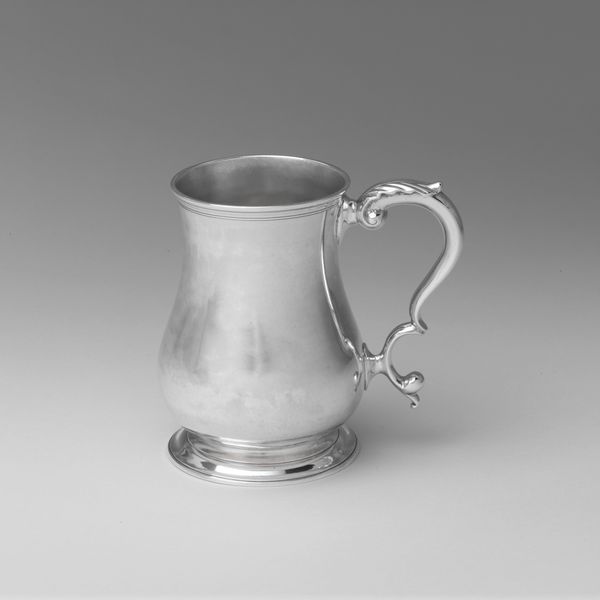
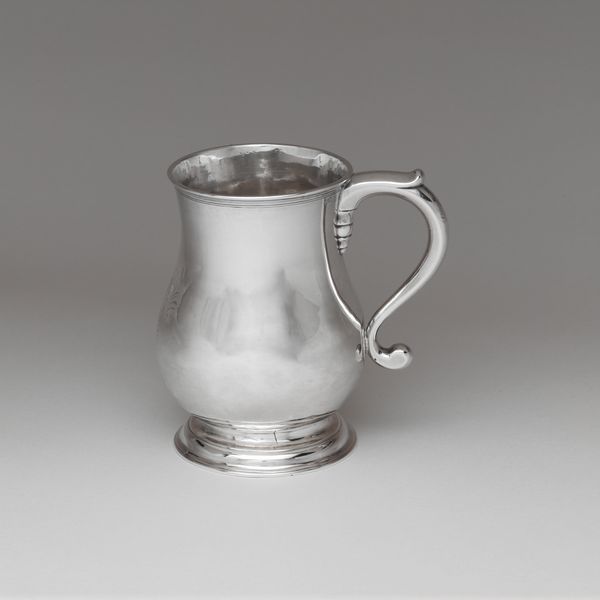
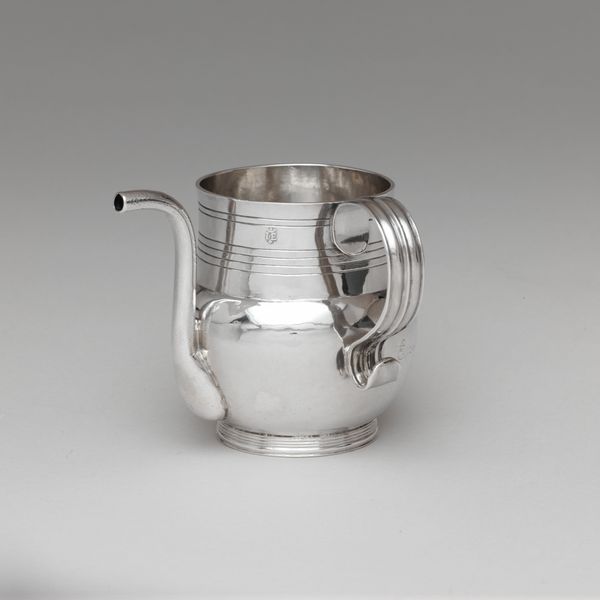
Jacob Hurd, a silversmith from Boston, likely crafted this creampot sometime in the mid-18th century. But it’s more than just a container for cream; it’s a symbol of colonial society, reflecting economic shifts, class distinctions, and the burgeoning artistic landscape of early America. Boston, during Hurd’s time, was a hub of trade and craftsmanship. The creampot’s very existence speaks to the increasing availability of luxury goods and the rise of a merchant class eager to display their wealth. Silver, of course, was a precious commodity, and owning such an item signaled status. Hurd, as a craftsman, navigated a complex social terrain, producing objects for elite consumption, while operating within a system shaped by transatlantic trade and colonial power dynamics. By delving into probate records, merchant ledgers, and the history of Boston’s silversmithing community, we can gain a richer understanding of the creampot’s significance. The object, then, offers a tangible link to the social and economic world of colonial America.