About this artwork
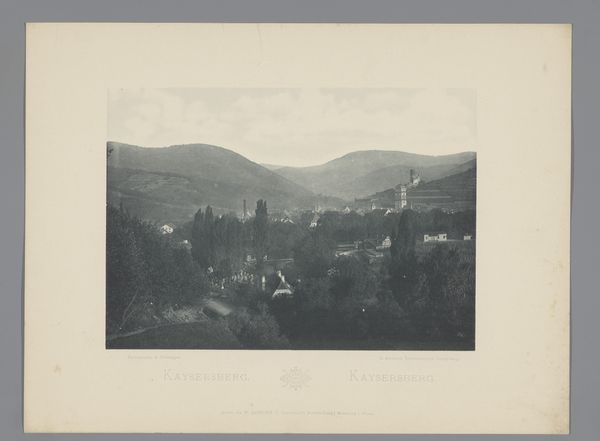
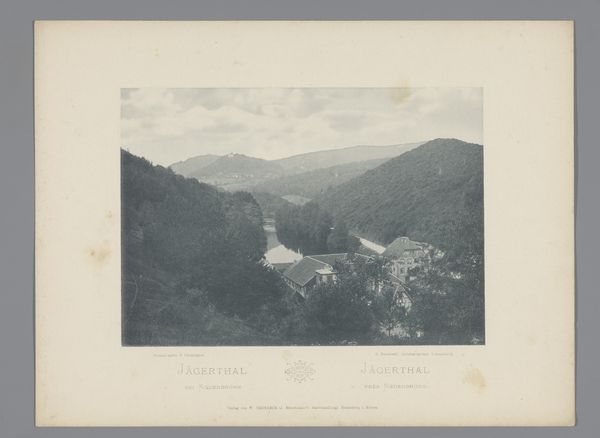
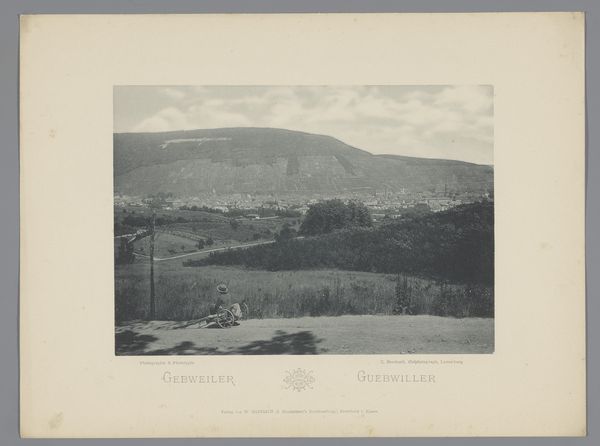
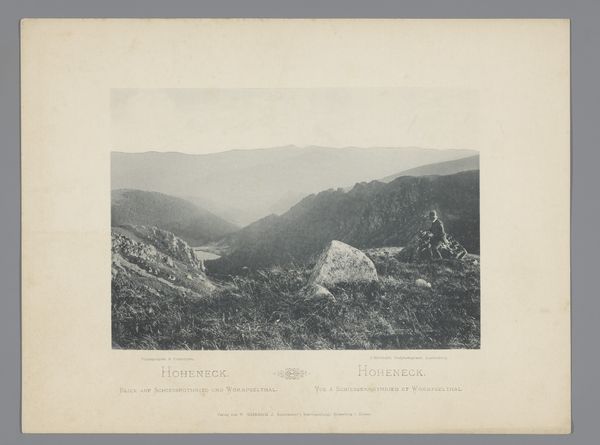
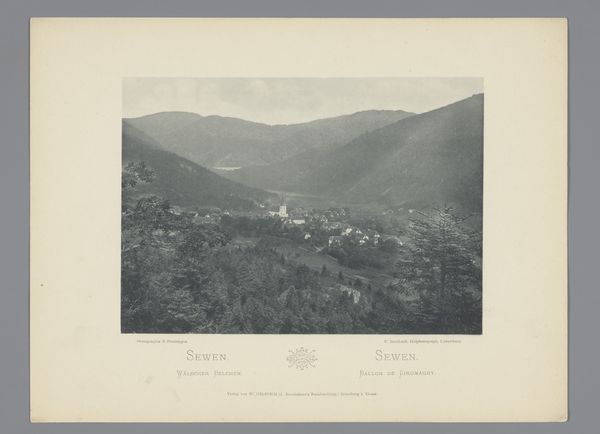
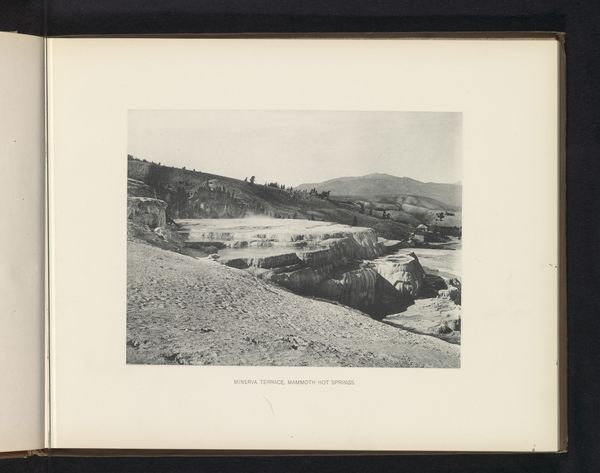
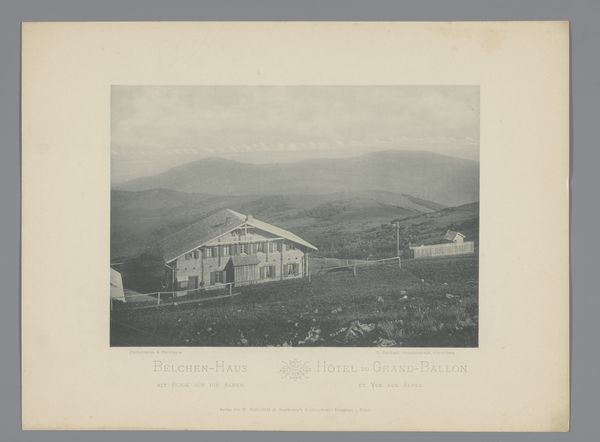
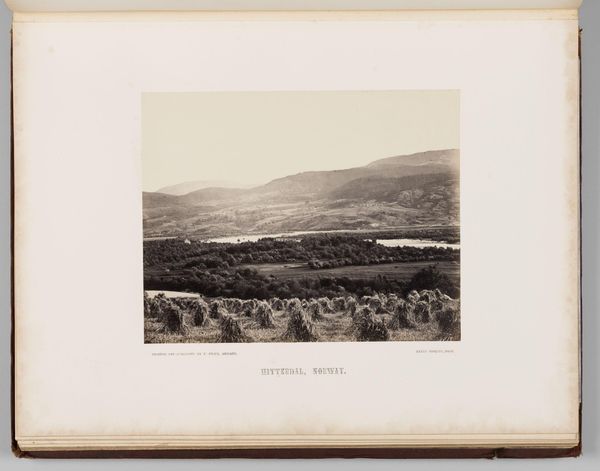
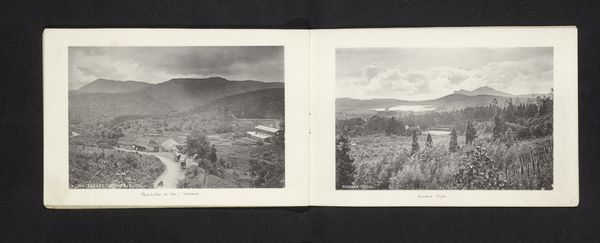
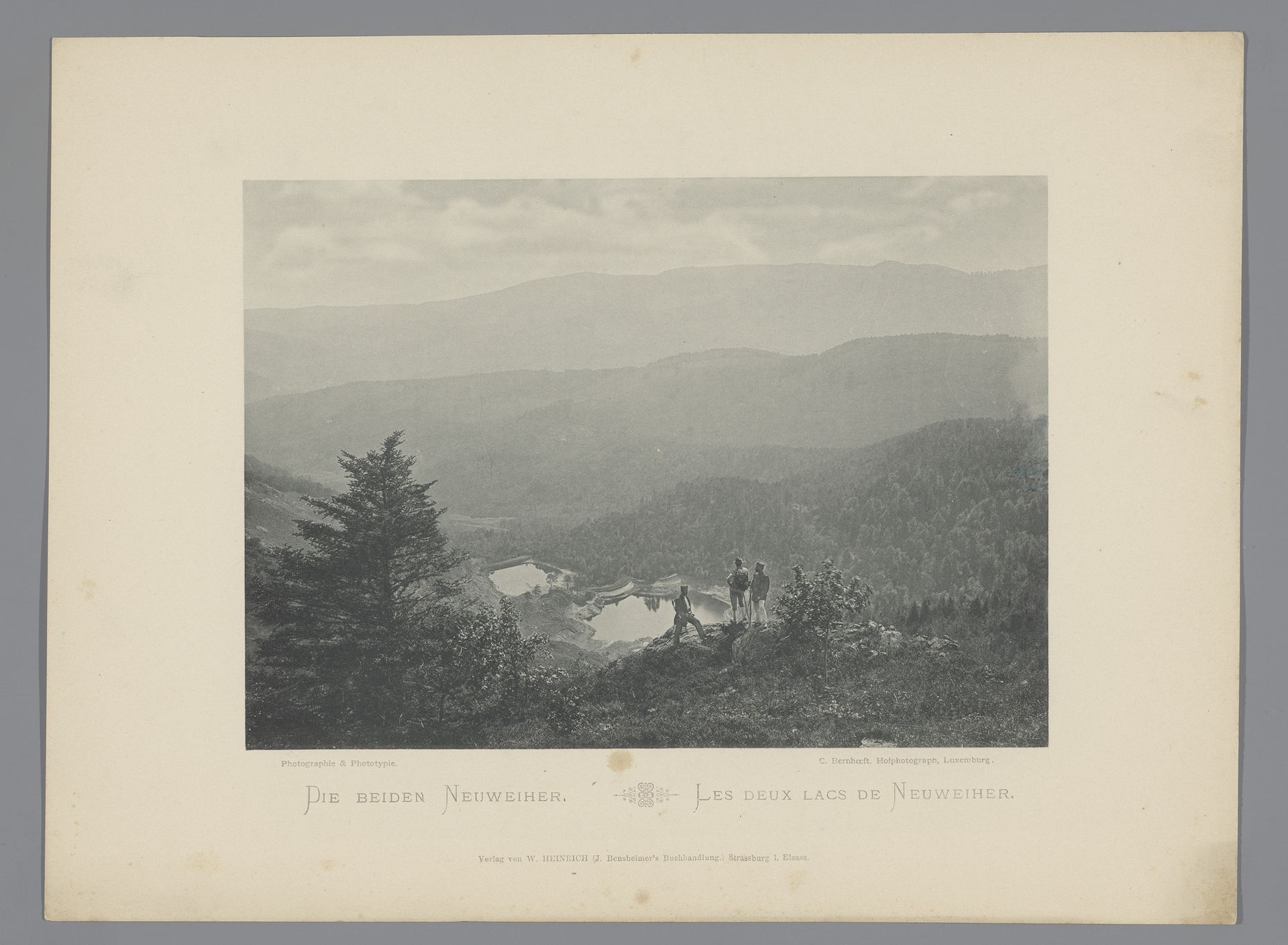
This photograph of the Grand and Petit Neuweiher lakes with hikers was created by Charles Bernhoeft. Bernhoeft, who was a prominent photographer in Luxembourg, captured a serene landscape, subtly disrupted by the presence of figures on a precipice. Landscape photography, even at its most beautiful, is never simply about aesthetics; it's deeply entwined with themes of identity, belonging, and the romanticization of nature. It’s worth noting that Bernhoeft was active during a time of burgeoning tourism, where images like these played a crucial role in shaping perceptions of place and marketing destinations. Who were these figures and what was their relationship to the land? This image presents us with the possibility to reflect on the ways in which we engage with the natural world. It raises questions about our role as observers, and how the act of witnessing can be both transformative and, at times, intrusive.
Gezicht op het Grand Neuweiher en het Petit Neuweiher met wandelaars
before 1894

Artwork details
- Medium
- print, photography
- Dimensions
- height 153 mm, width 216 mm
- Copyright
- Rijks Museum: Open Domain
Tags
Comments
Share your thoughts
About this artwork
This photograph of the Grand and Petit Neuweiher lakes with hikers was created by Charles Bernhoeft. Bernhoeft, who was a prominent photographer in Luxembourg, captured a serene landscape, subtly disrupted by the presence of figures on a precipice. Landscape photography, even at its most beautiful, is never simply about aesthetics; it's deeply entwined with themes of identity, belonging, and the romanticization of nature. It’s worth noting that Bernhoeft was active during a time of burgeoning tourism, where images like these played a crucial role in shaping perceptions of place and marketing destinations. Who were these figures and what was their relationship to the land? This image presents us with the possibility to reflect on the ways in which we engage with the natural world. It raises questions about our role as observers, and how the act of witnessing can be both transformative and, at times, intrusive.
Comments
Share your thoughts