About this artwork
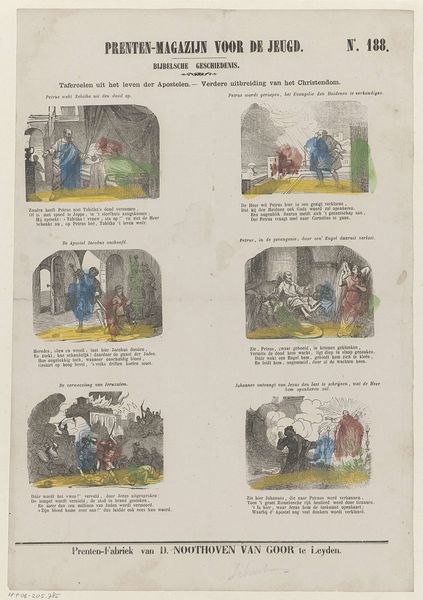
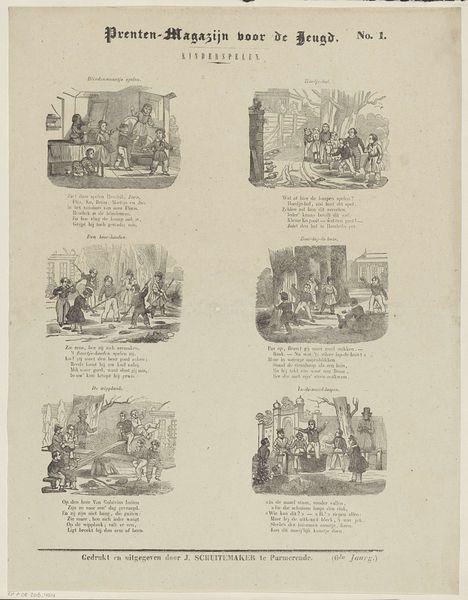
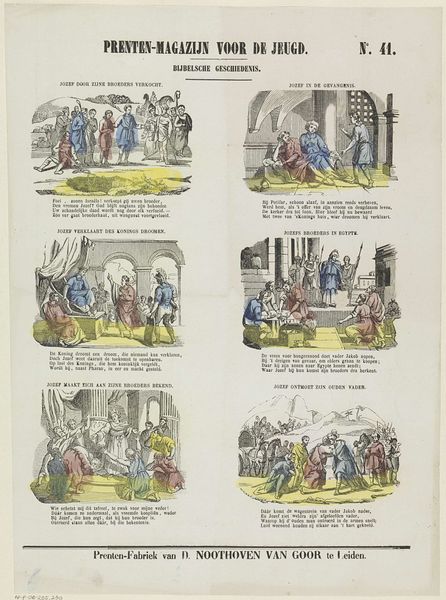
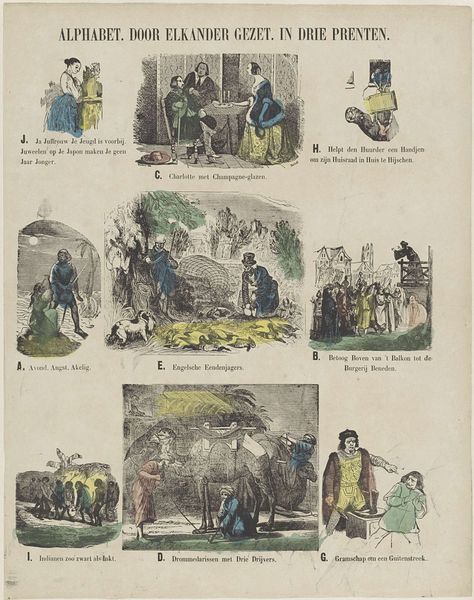
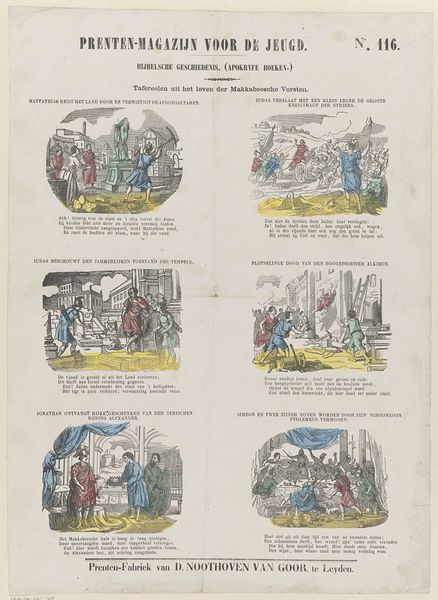
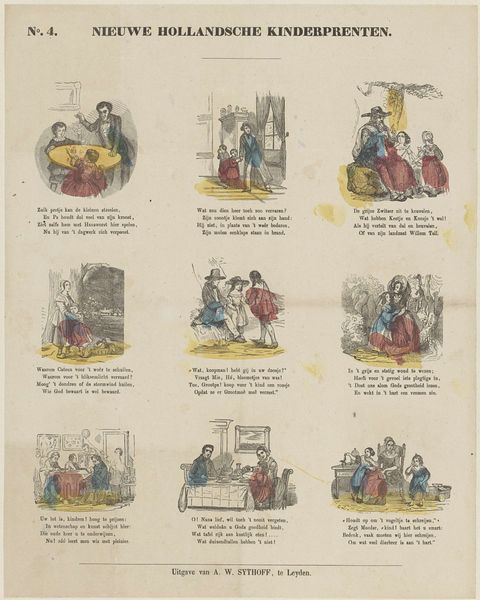
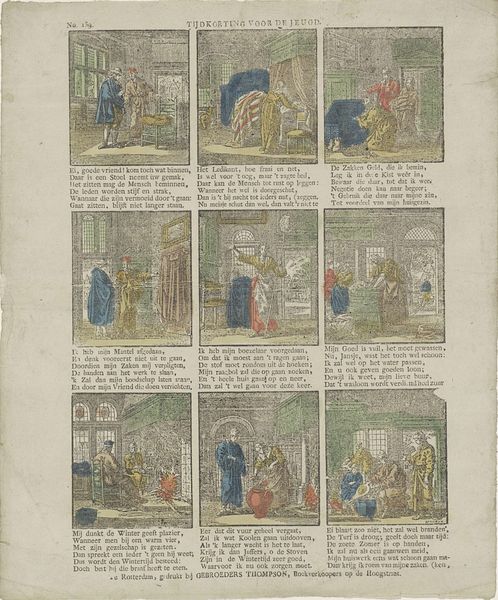
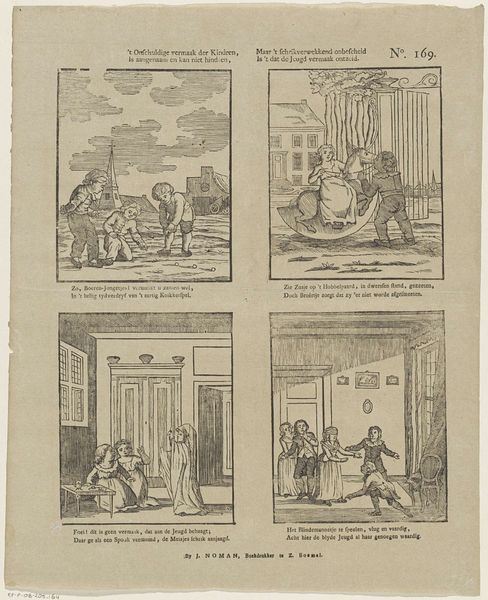
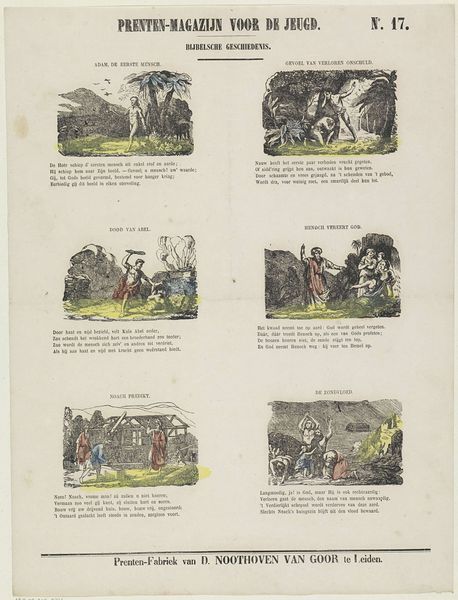
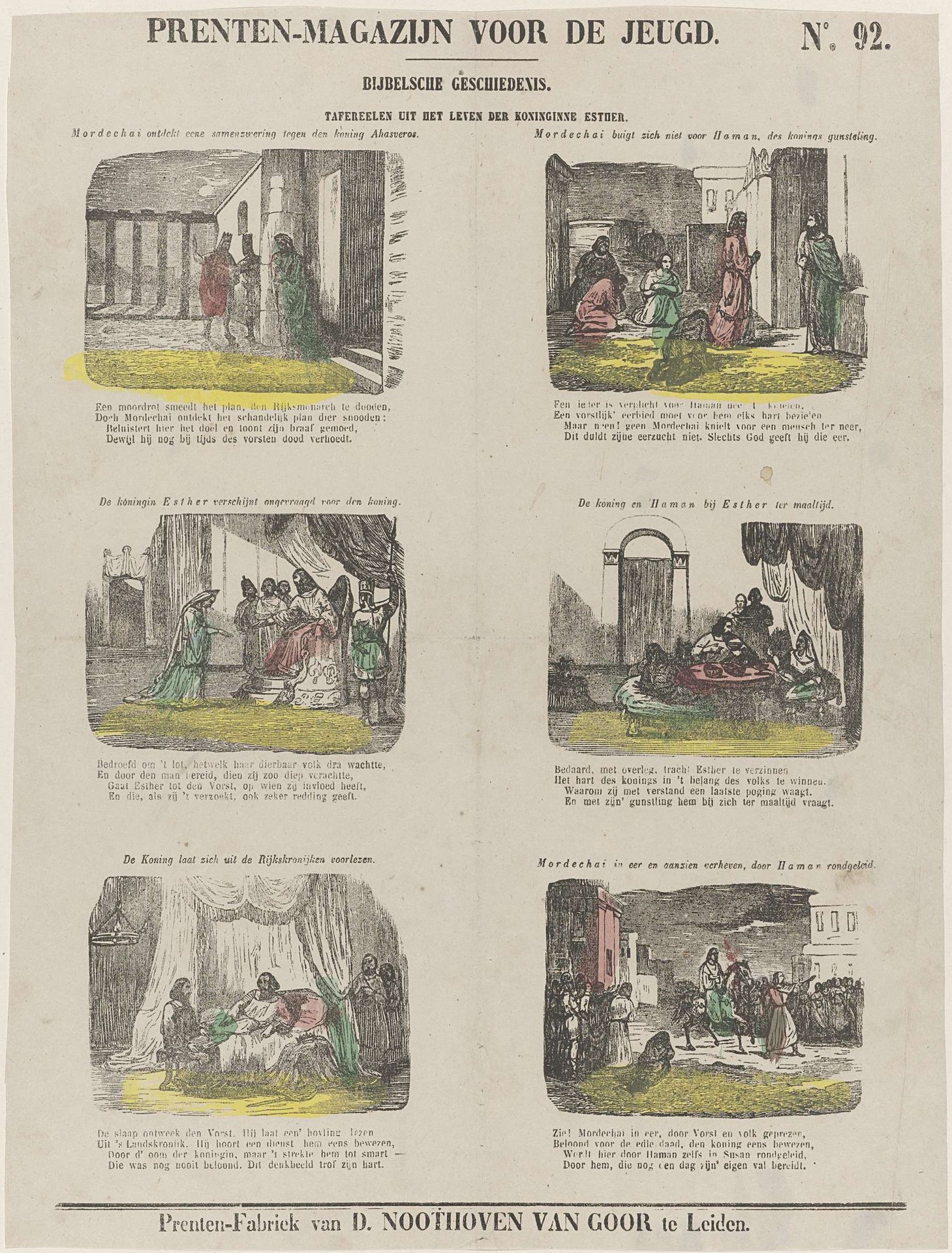
These scenes from the life of Queen Esther, printed by D. Noothoven van Goor, present a fascinating look into biblical narrative through the visual language of 19th-century printmaking. Note the recurring motif of supplication: figures kneeling, heads bowed, hands clasped in prayer. This posture transcends its immediate religious context, echoing across cultures and epochs as a universal expression of humility, reverence, or desperation. Think of similar poses in ancient Egyptian art, where pharaohs kneel before gods, or the Christian iconography of saints in devout prayer. Such gestures, deeply embedded in our collective consciousness, tap into primal emotions. The act of kneeling, lowering oneself before a higher power, evokes feelings of vulnerability and dependence. It is a powerful, almost instinctive response that resonates with us on a subconscious level, hinting at humanity's enduring search for meaning and connection to something greater than ourselves. The cycle of power and submission, plea and granting, continues to resurface, evolving with each telling. The symbols persist, adapting to the ever-changing tapestry of human experience.
Tafereelen uit het leven der koninginne Esther 1850 - 1881

Artwork details
- Medium
- graphic-art, print, engraving
- Dimensions
- height 389 mm, width 300 mm
- Copyright
- Rijks Museum: Open Domain
Tags
graphic-art
comic strip sketch
aged paper
medieval
narrative-art
old engraving style
sketch book
personal sketchbook
idea generation sketch
sketchwork
sketchbook drawing
genre-painting
storyboard and sketchbook work
sketchbook art
engraving
Comments
No comments
About this artwork
These scenes from the life of Queen Esther, printed by D. Noothoven van Goor, present a fascinating look into biblical narrative through the visual language of 19th-century printmaking. Note the recurring motif of supplication: figures kneeling, heads bowed, hands clasped in prayer. This posture transcends its immediate religious context, echoing across cultures and epochs as a universal expression of humility, reverence, or desperation. Think of similar poses in ancient Egyptian art, where pharaohs kneel before gods, or the Christian iconography of saints in devout prayer. Such gestures, deeply embedded in our collective consciousness, tap into primal emotions. The act of kneeling, lowering oneself before a higher power, evokes feelings of vulnerability and dependence. It is a powerful, almost instinctive response that resonates with us on a subconscious level, hinting at humanity's enduring search for meaning and connection to something greater than ourselves. The cycle of power and submission, plea and granting, continues to resurface, evolving with each telling. The symbols persist, adapting to the ever-changing tapestry of human experience.
Comments
No comments