
Curatorial notes
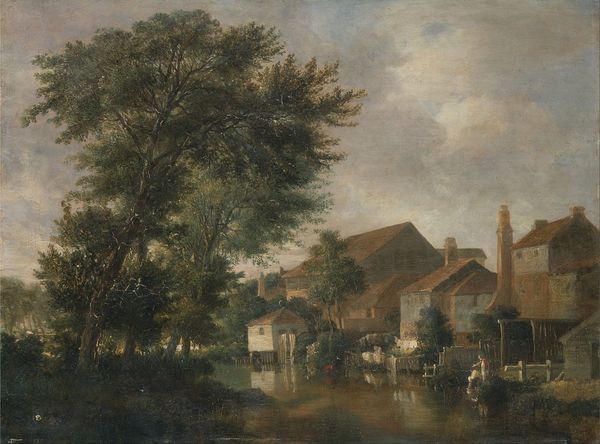
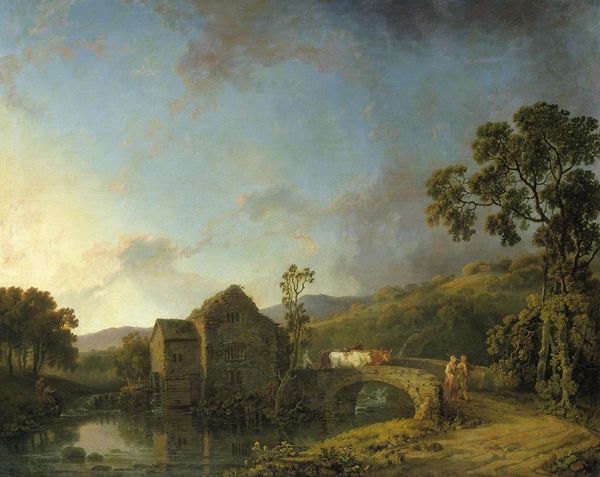
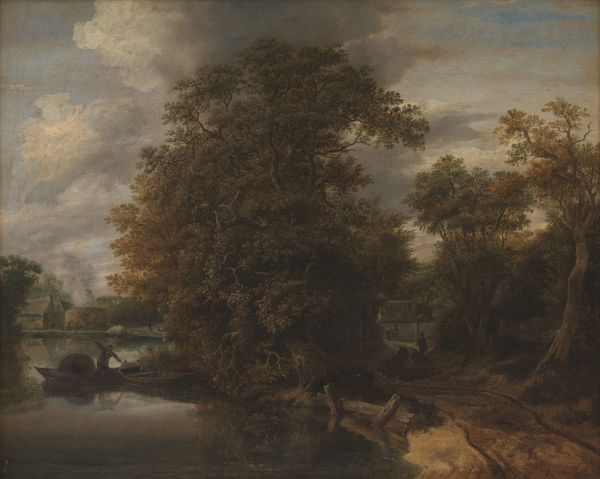
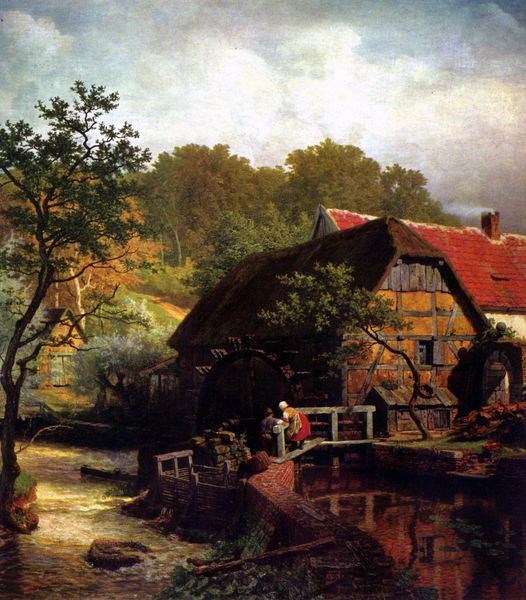
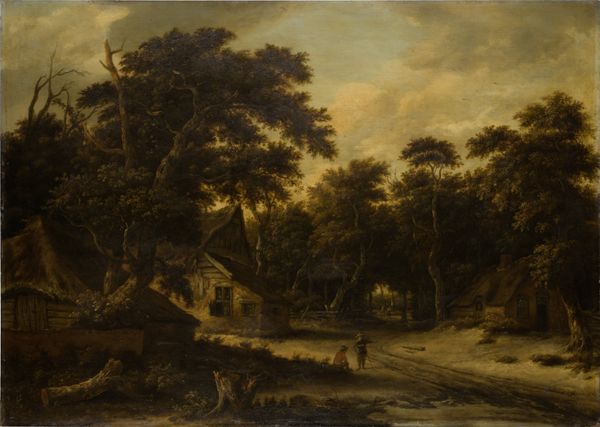
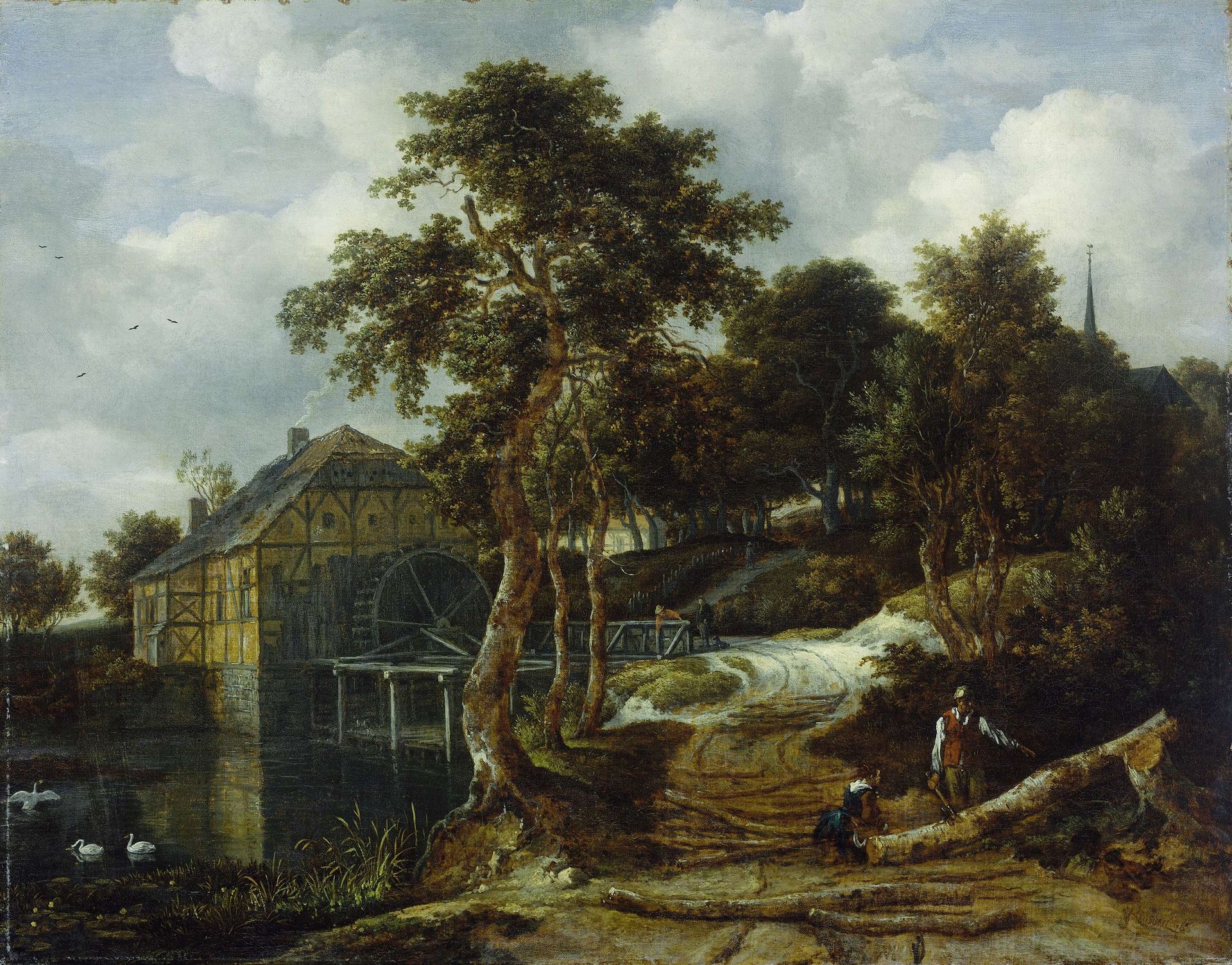
Jacob van Ruisdael painted this landscape with a watermill in the Dutch Golden Age, a time of great economic and cultural flourishing in the Netherlands. Ruisdael’s painting captures the intersection of nature and industry that defined the Dutch landscape at the time. Mills were essential to the Dutch economy, providing power for various industries. Yet here, the scene is tranquil, almost idyllic, with the mill integrated seamlessly into the natural environment. The figures in the foreground appear to be working, but their presence is small, almost insignificant. This painting is more than just a pretty picture. It reflects the values and priorities of Dutch society in the 17th century. The focus on the everyday, the attention to detail, and the celebration of both nature and industry are all hallmarks of Dutch Golden Age painting. To fully understand this work, we might consult historical records, economic data, and even literature from the period, shedding light on the complex interplay between art, society, and the environment.