1632 - 1633
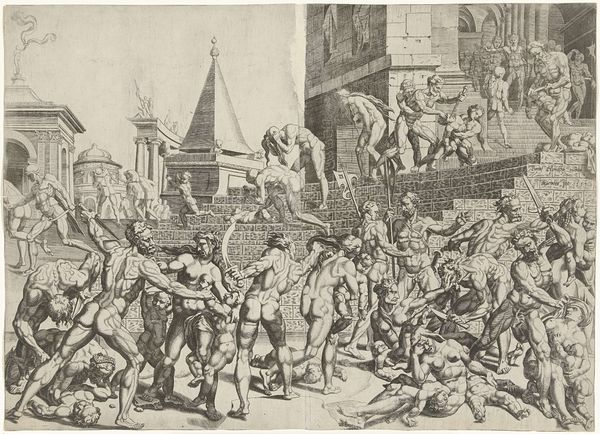
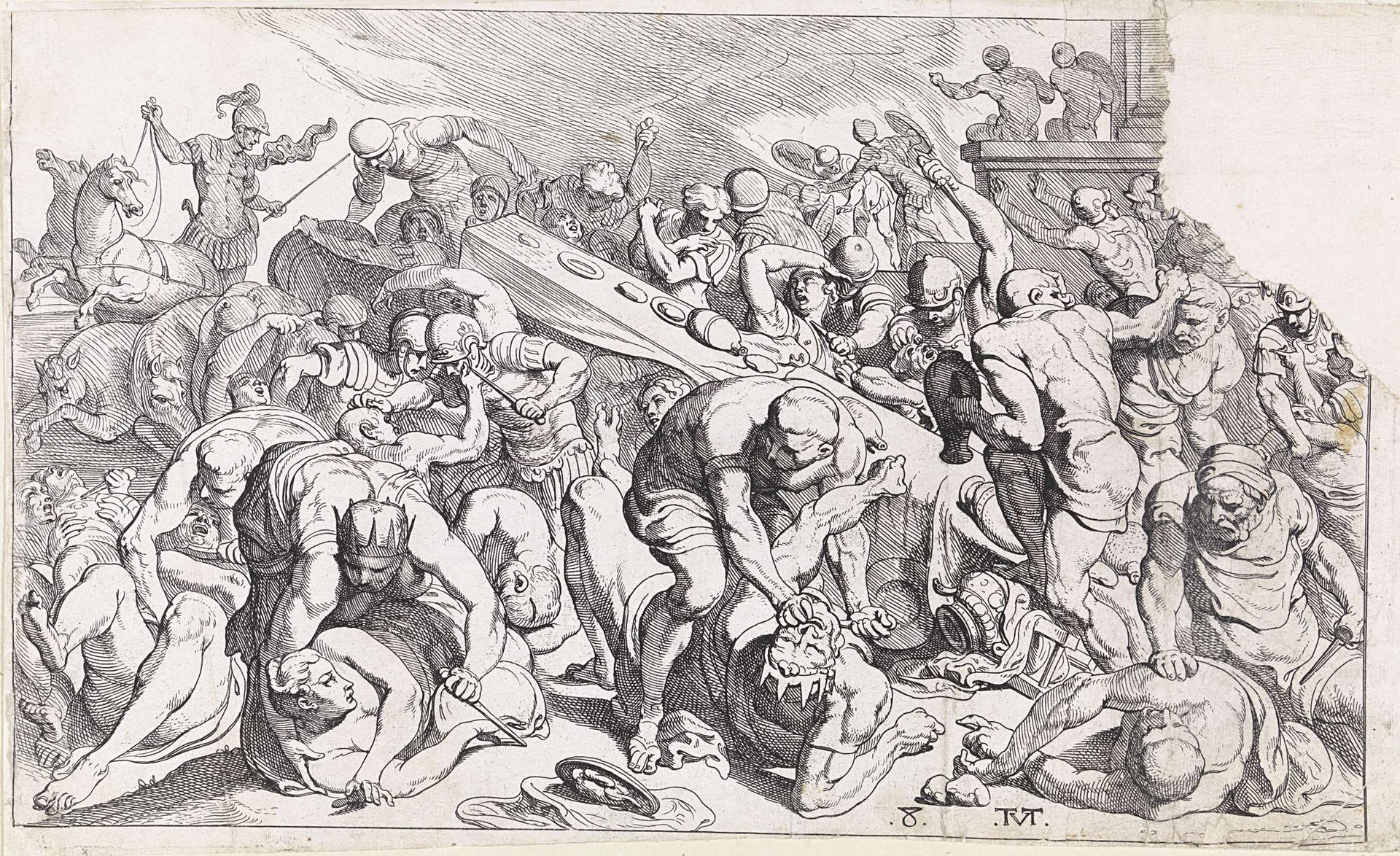
Moord op Agamemnon en Cassandra

Listen to curator's interpretation
Curatorial notes
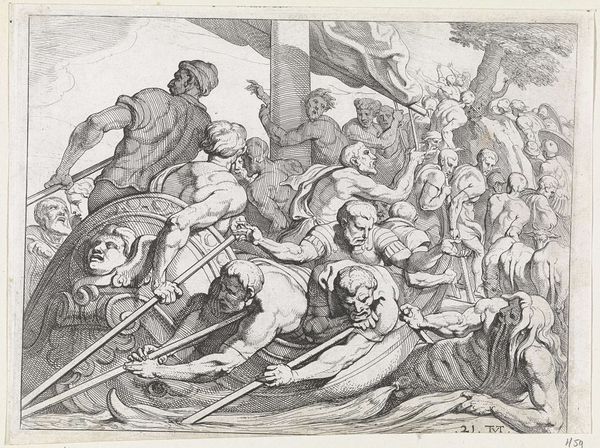
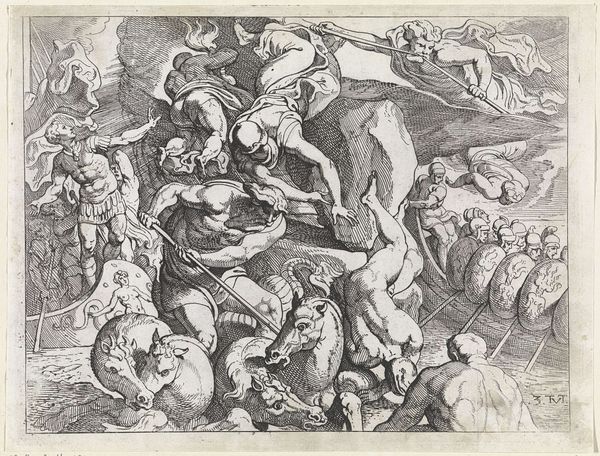
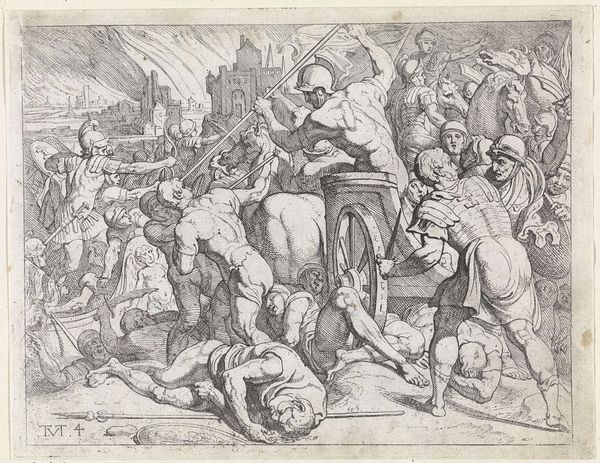
This print by Theodoor van Thulden depicts the assassination of Agamemnon and Cassandra. Note the recurrence of the weapon: the axe. Its presence here is not merely incidental; it is a symbol laden with historical and psychological weight. The axe, a tool of primal force, echoes through time, surfacing in Minoan cult rituals, where double-headed axes were used in sacrificial rites. Fast forward to Renaissance Europe, and we find axes in the hands of executioners, symbols of state-sanctioned violence. The image of the axe, wielded in a moment of betrayal, taps into a deep well of collective memory. It is a stark reminder of the ever-present potential for violence that simmers beneath the surface of human interaction. The chaotic composition, mirroring the disorder of the crime itself, emotionally engages viewers on a subconscious level, stirring primal anxieties about betrayal and mortality. From ancient ritual to modern imagination, the axe persists as a potent symbol, constantly evolving and adapting to new cultural landscapes.