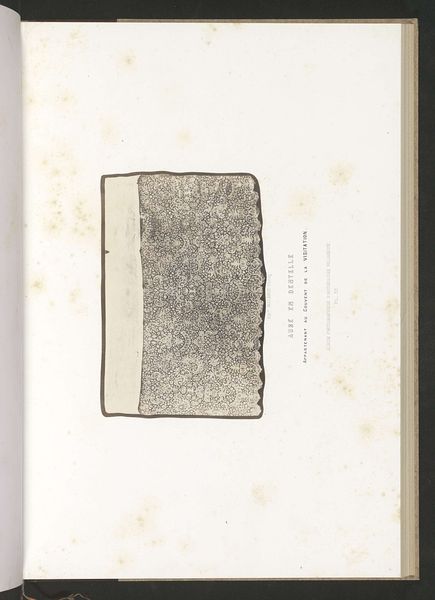
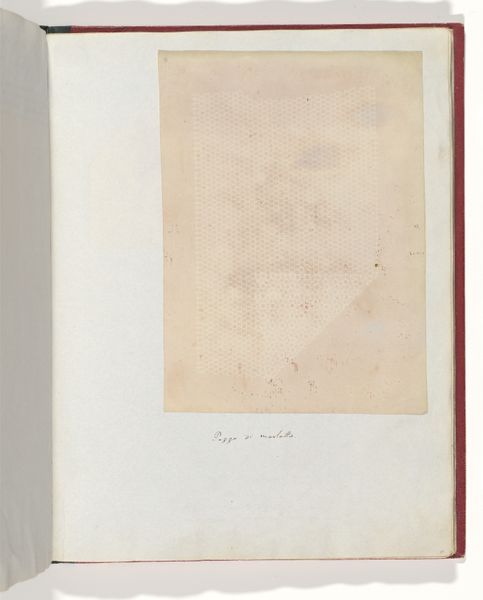
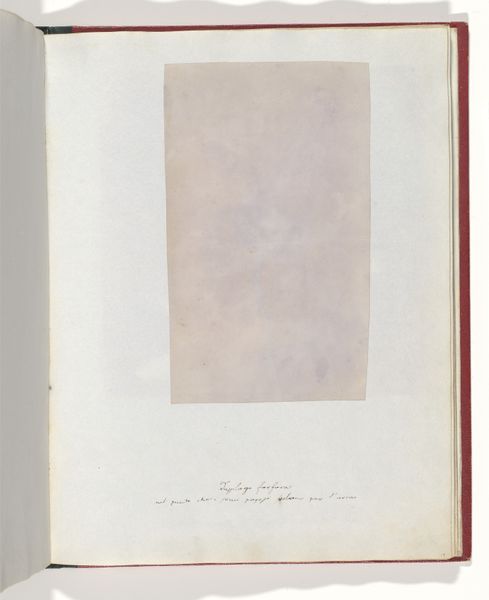
Lace in the Solar Microscope, 400 times magnified in surface 1839


print, daguerreotype, paper, photography
still-life-photography
daguerreotype
paper
photography
romanticism
Dimensions: 10 x 18.3 cm (3 15/16 x 7 3/16 in.), irregularly trimmed
Copyright: Public Domain
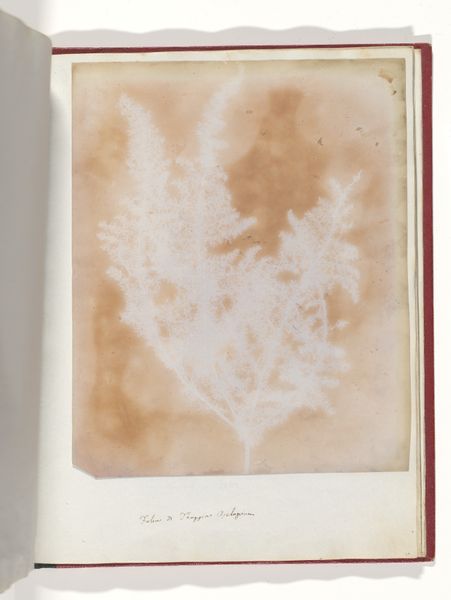
William Henry Fox Talbot made this photogenic drawing of lace magnified 400 times in surface, in England, at a time when photography was still an experimental novelty. Talbot's image operates at the intersection of science, art, and commerce. At a time when the Industrial Revolution was changing textile production, handmade lace was a luxury item, embodying skill and artistry. But it was also a product of a specific class structure, involving the exploitation of female labour. The image also speaks to the Victorian era’s fascination with science and technology, reflecting the growing power of scientific institutions. Talbot was not only an artist, but also a scientist and inventor, and he sought to use photography to expand human knowledge. To fully appreciate this image, we would need to research the history of textile production, scientific illustration, and the Victorian class system. Understanding its social and institutional contexts, as well as the artistic and scientific networks in which Talbot was working, enhances our understanding.
Comments
No comments
Be the first to comment and join the conversation on the ultimate creative platform.
 React
React Comment