About this artwork
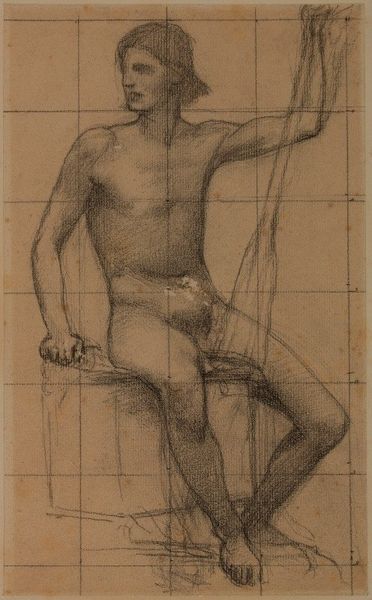
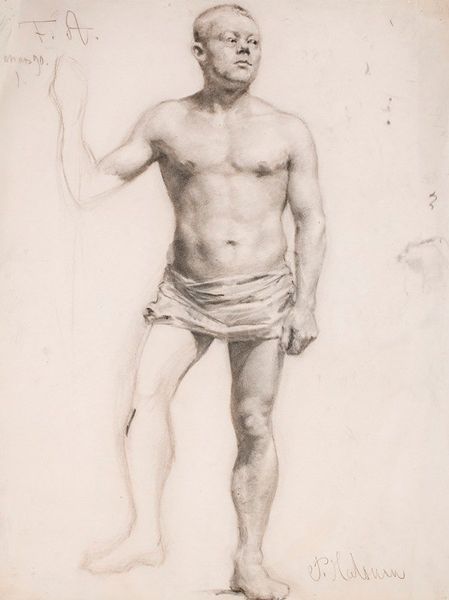
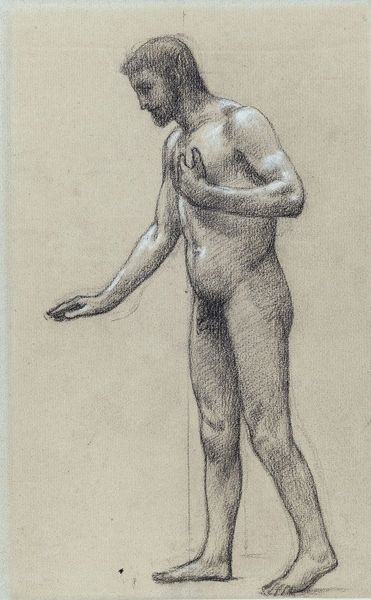
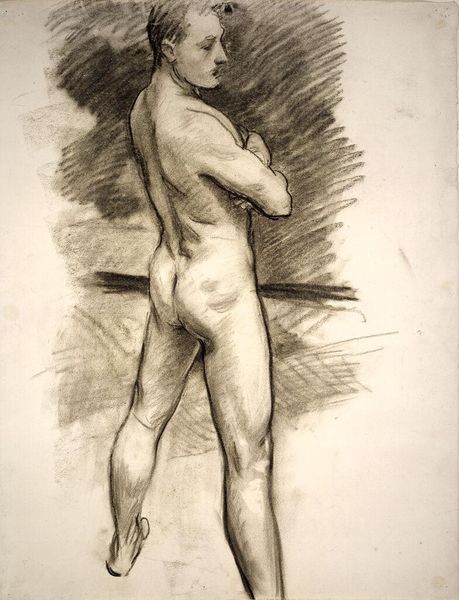
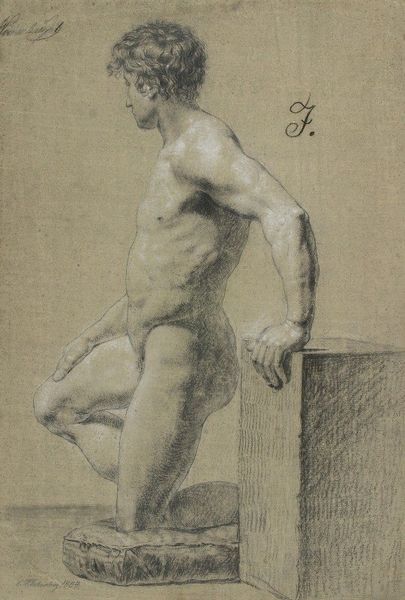
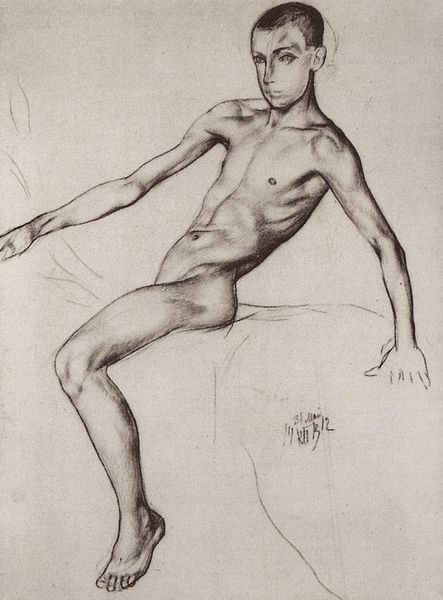
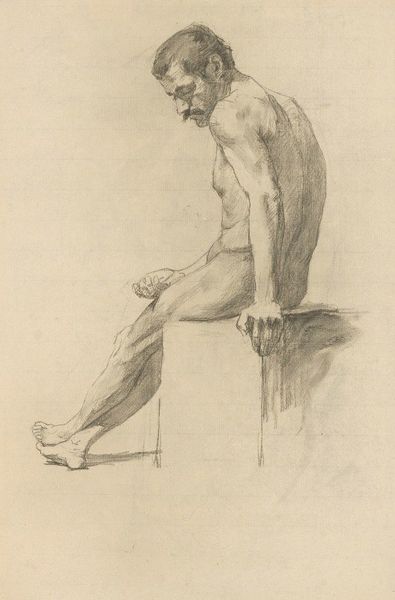
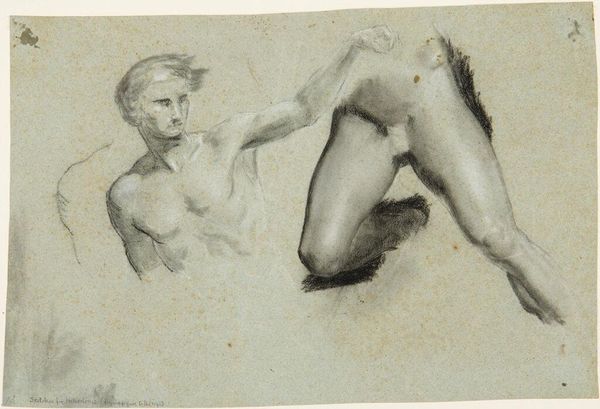
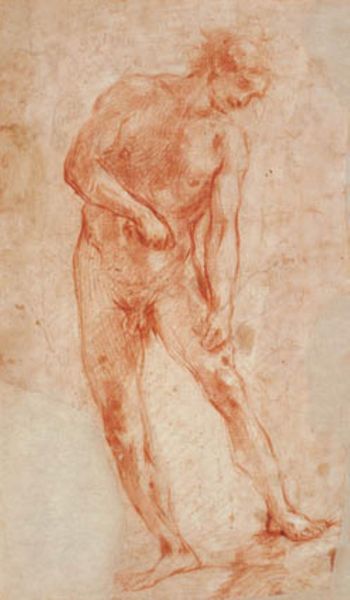
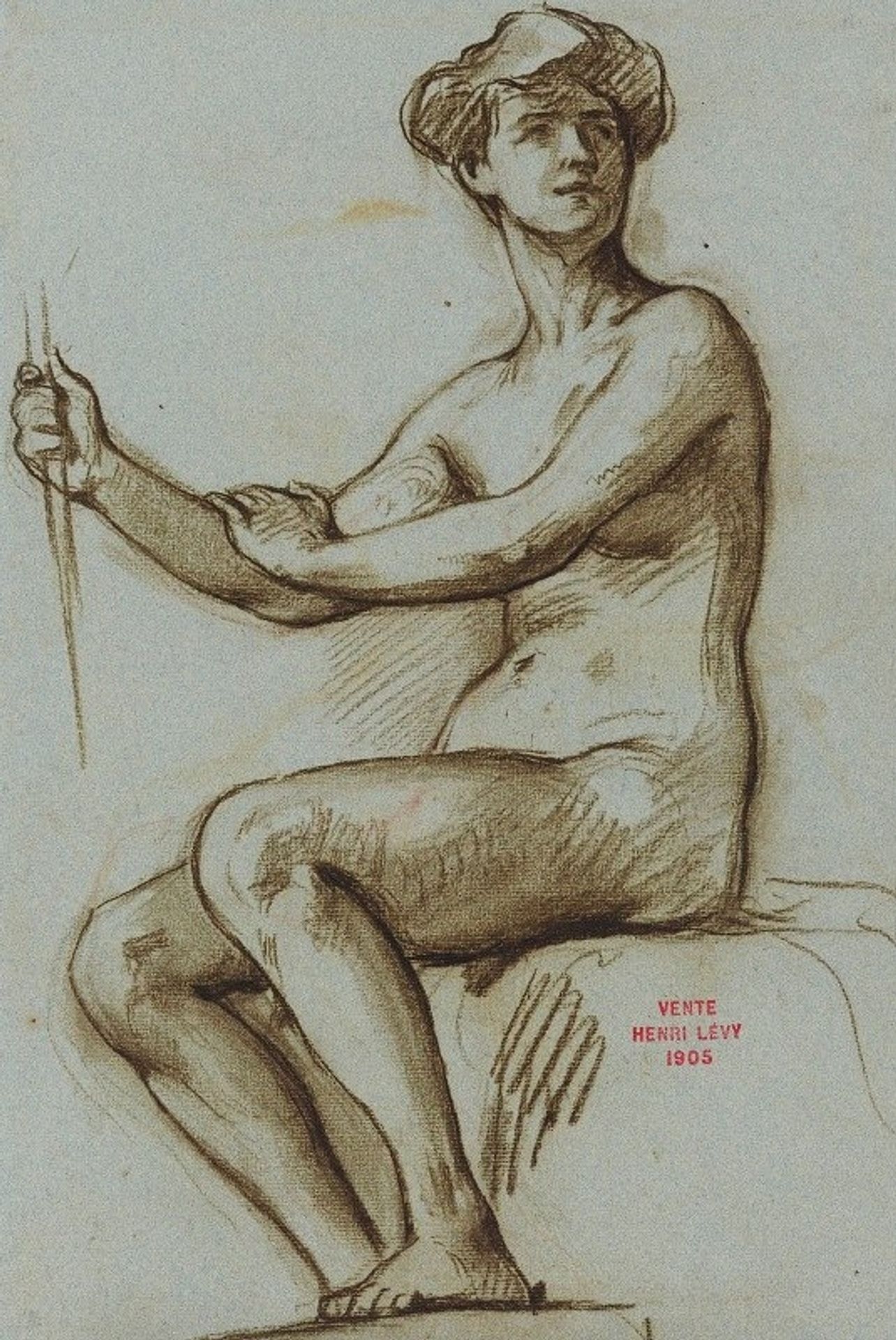
Henri Leopold Lévy made this study of a young woman with brown pencil on paper, most likely in France. The sketch, while unfinished, represents the academic practice of drawing the nude. It gives us insights into the education of artists at the time. In nineteenth-century France, the nude was a central, though contested, subject in the art world. It was a way for the artist to show their mastery of the human form, a practice that found its roots in the Renaissance. Yet, the naked body was also a subject of moral concern. The representation of women in particular was carefully monitored in the Salon system, the large state-sponsored art exhibitions. To better understand this drawing, we can consult archival sources related to Lévy's artistic training and consider this work in the context of academic drawing practices. The study of the nude reveals the tension between artistic skill, moral judgment, and social values in the nineteenth century.
Etude de jeune femme assise tenant un objet dans la main droite

Artwork details
- Medium
- drawing, pencil, charcoal
- Copyright
- Public Domain: Artvee
Tags
Comments
Share your thoughts
About this artwork
Henri Leopold Lévy made this study of a young woman with brown pencil on paper, most likely in France. The sketch, while unfinished, represents the academic practice of drawing the nude. It gives us insights into the education of artists at the time. In nineteenth-century France, the nude was a central, though contested, subject in the art world. It was a way for the artist to show their mastery of the human form, a practice that found its roots in the Renaissance. Yet, the naked body was also a subject of moral concern. The representation of women in particular was carefully monitored in the Salon system, the large state-sponsored art exhibitions. To better understand this drawing, we can consult archival sources related to Lévy's artistic training and consider this work in the context of academic drawing practices. The study of the nude reveals the tension between artistic skill, moral judgment, and social values in the nineteenth century.
Comments
Share your thoughts