17th century
Table clock


Listen to curator's interpretation
Curatorial notes
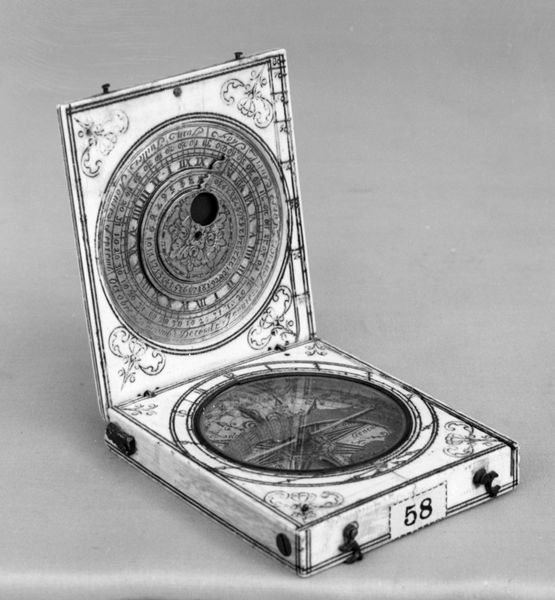
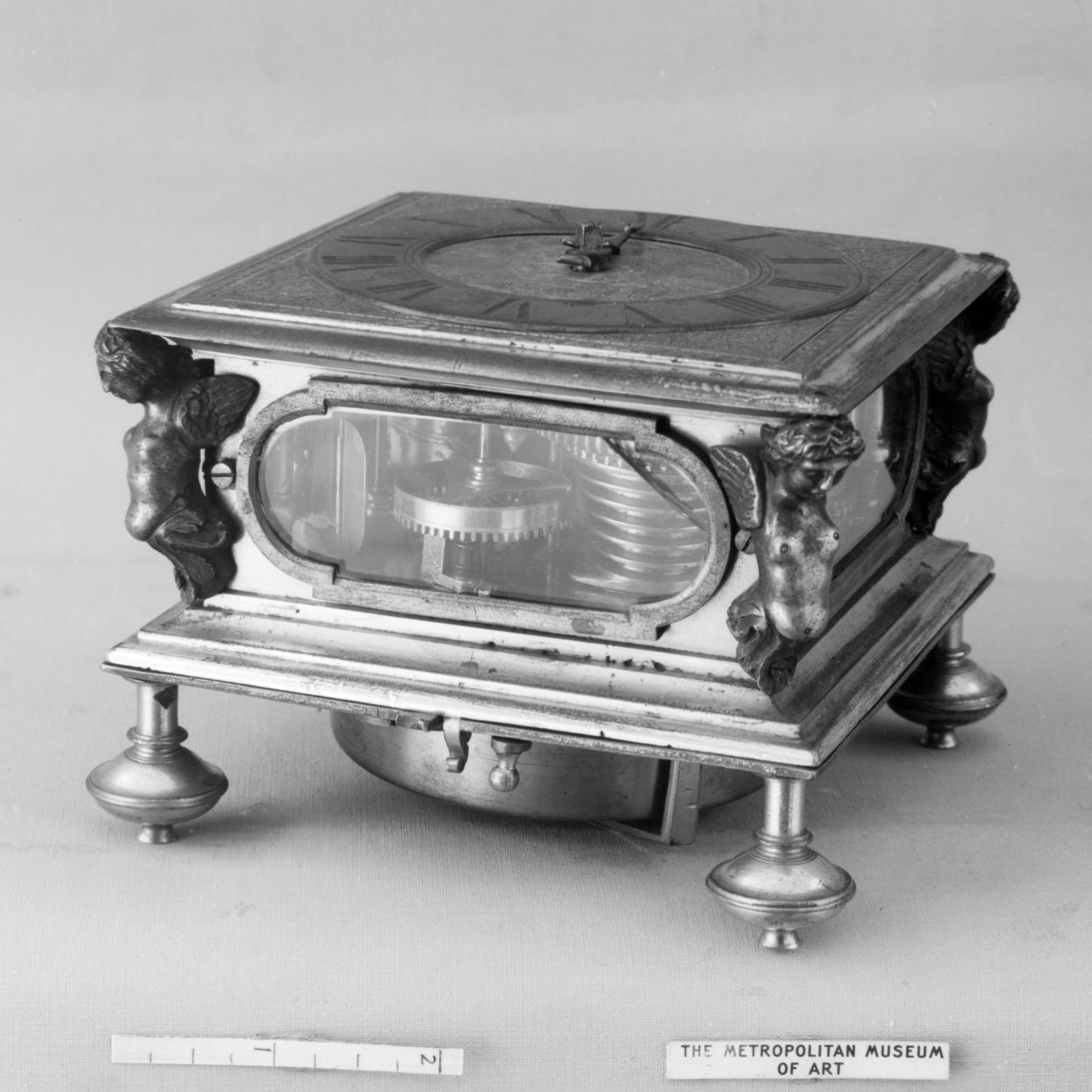
Here is the audio guide script: This table clock, made in the 17th century by Daniel Picardi, presents a fascinating intersection of form and function. The clock's cubic structure provides a sense of stability, while the cherubic figures at each corner introduce an element of playful contrast. Notice how the clock face is not merely a surface for telling time but is also a decorative plane with Roman numerals. The exposed mechanism, visible through the glass panels, allows us to see the clock's inner workings. This is not just a timepiece, but an intricate object of display. The clock engages with the period's broader fascination with time, technology, and the decorative arts. Its design reflects a culture that saw time as both a measurable phenomenon and an aesthetic concept. As you observe the clock, consider how its structure serves not just to measure time, but to present it as an object of contemplation.