About this artwork
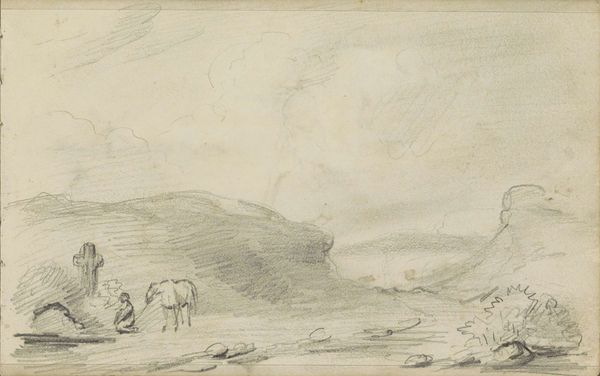
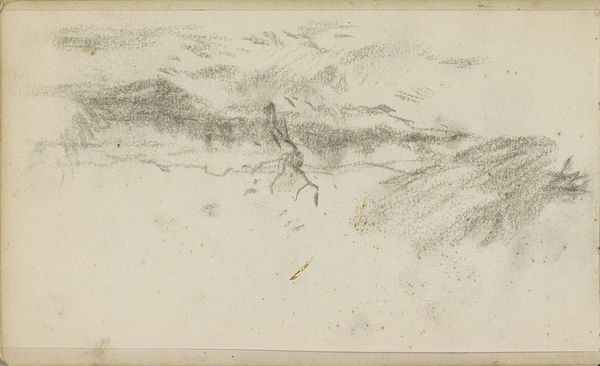
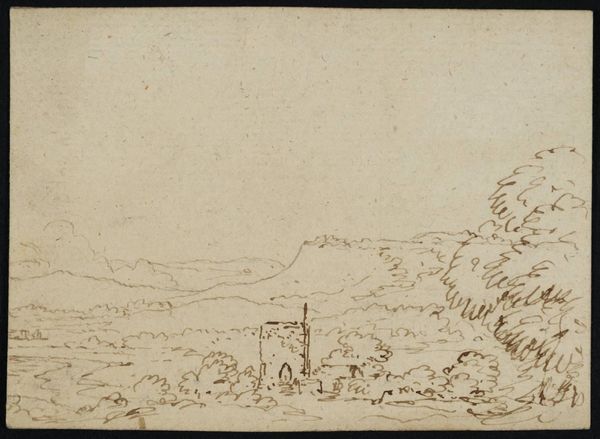
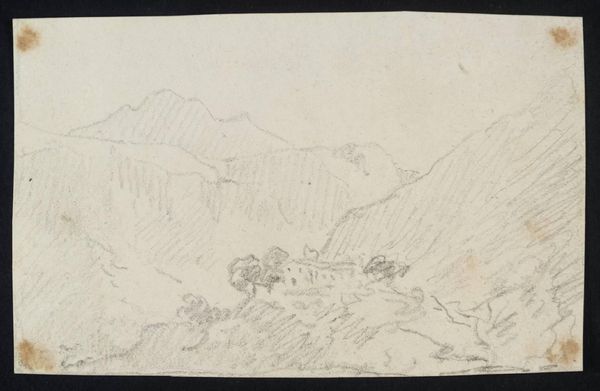
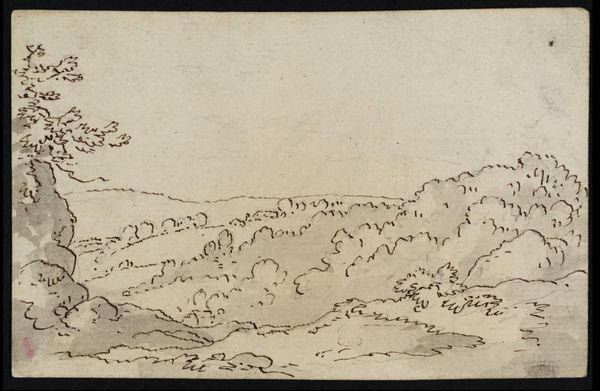
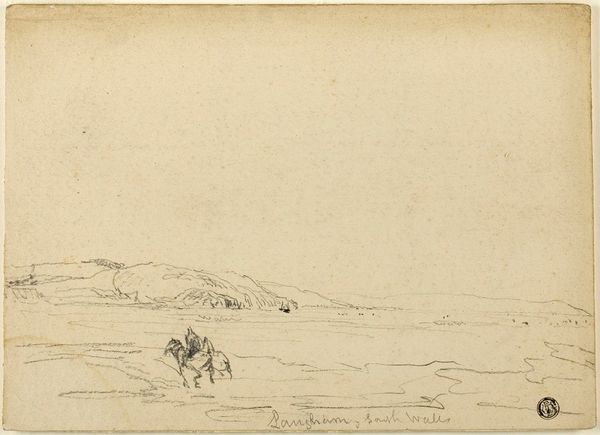
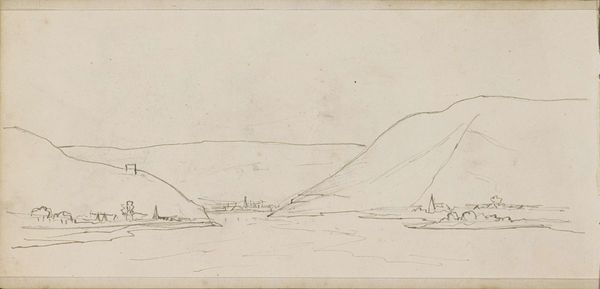
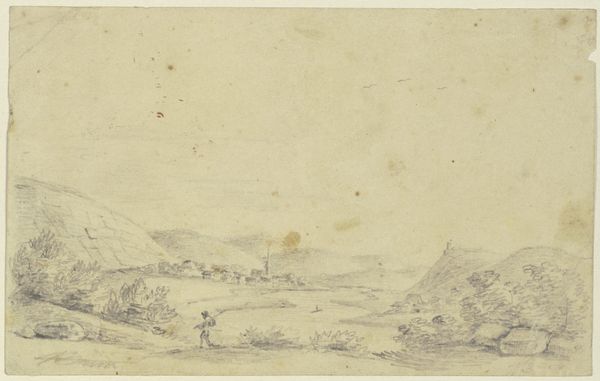
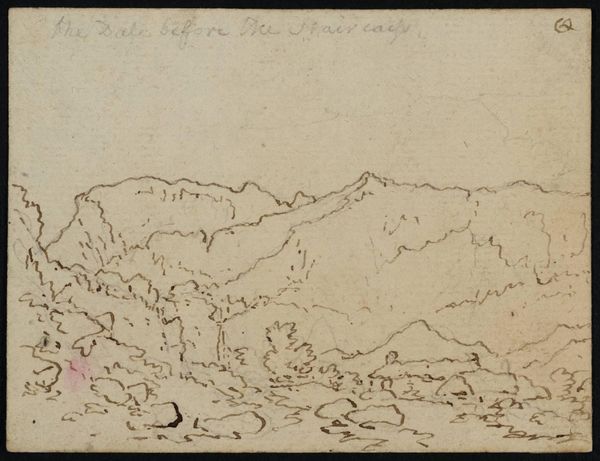
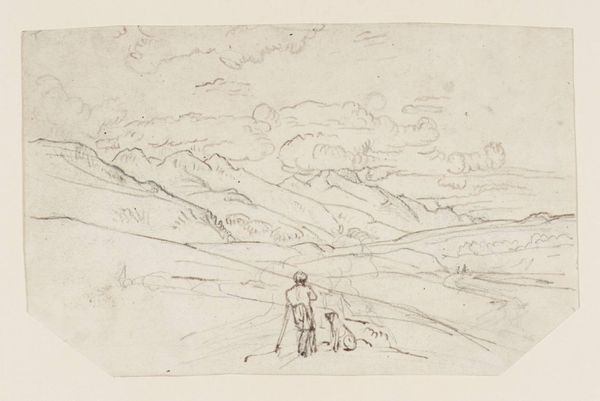
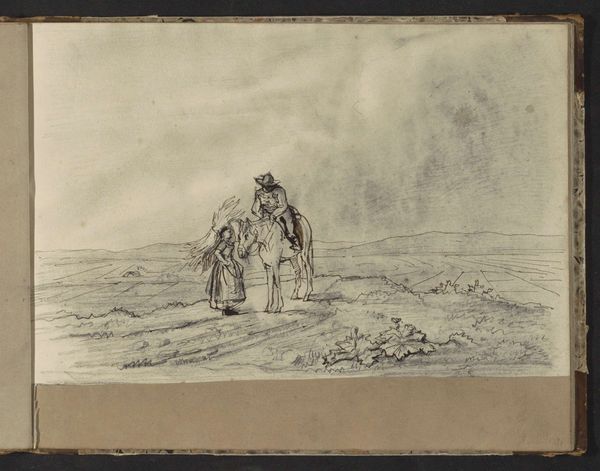
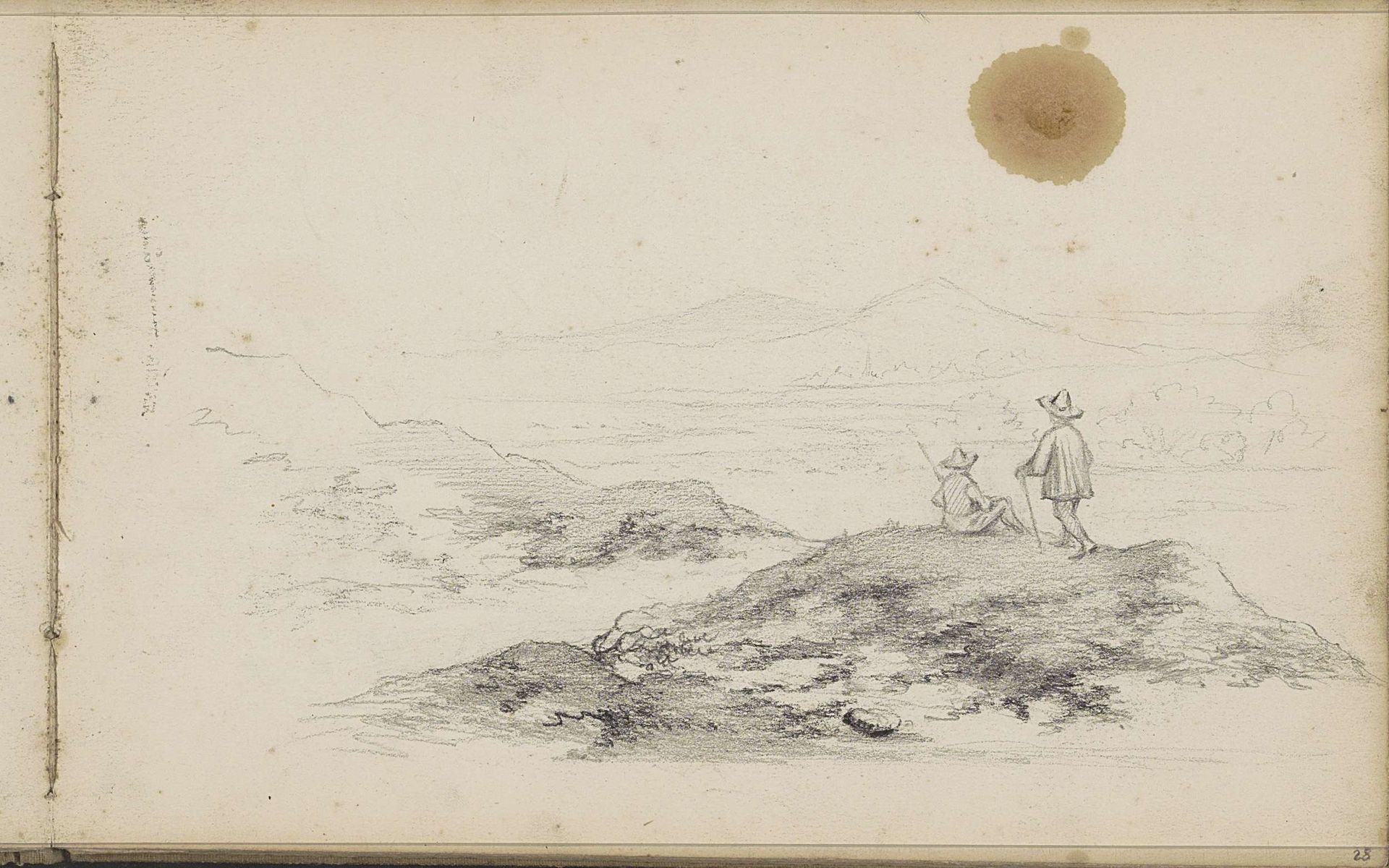
Willem Cornelis Rip made this pencil drawing of resting travelers in a hilly landscape in the late nineteenth century. The work embodies the spirit of the era, reflecting a society undergoing rapid industrialization and urbanization in the Netherlands. Rip captures a desire for a simpler life. The figures pause during their journey, perhaps a pilgrimage, to appreciate the beauty of the untouched landscape. The image evokes a sense of freedom and escape. Consider the popularity of landscape painting during this time, often commissioned by the wealthy to adorn their homes with images of nature. Rip's drawing resonates with this cultural trend, but also democratizes it, making it accessible through the medium of drawing. As historians, we might delve into travelogues, social commentaries, and economic data from the period to fully understand the drawing’s significance, appreciating the artwork as a product of its time, shaped by specific social and institutional contexts.

Artwork details
- Dimensions
- height 184 mm, width 282 mm
- Copyright
- Rijks Museum: Open Domain
Comments
No comments
About this artwork
Willem Cornelis Rip made this pencil drawing of resting travelers in a hilly landscape in the late nineteenth century. The work embodies the spirit of the era, reflecting a society undergoing rapid industrialization and urbanization in the Netherlands. Rip captures a desire for a simpler life. The figures pause during their journey, perhaps a pilgrimage, to appreciate the beauty of the untouched landscape. The image evokes a sense of freedom and escape. Consider the popularity of landscape painting during this time, often commissioned by the wealthy to adorn their homes with images of nature. Rip's drawing resonates with this cultural trend, but also democratizes it, making it accessible through the medium of drawing. As historians, we might delve into travelogues, social commentaries, and economic data from the period to fully understand the drawing’s significance, appreciating the artwork as a product of its time, shaped by specific social and institutional contexts.
Comments
No comments