1819
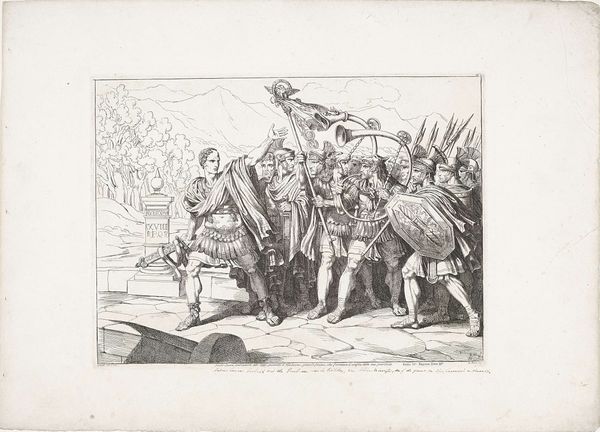
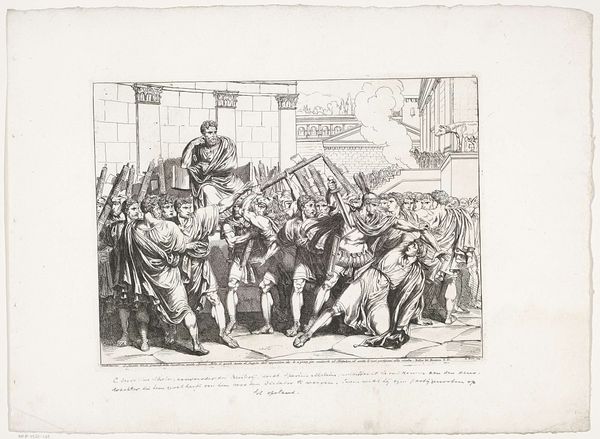
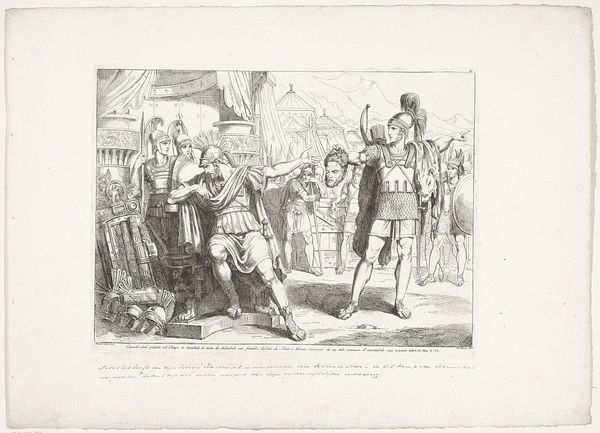
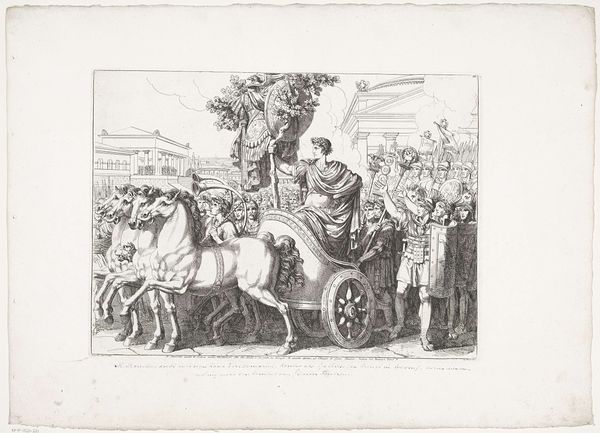
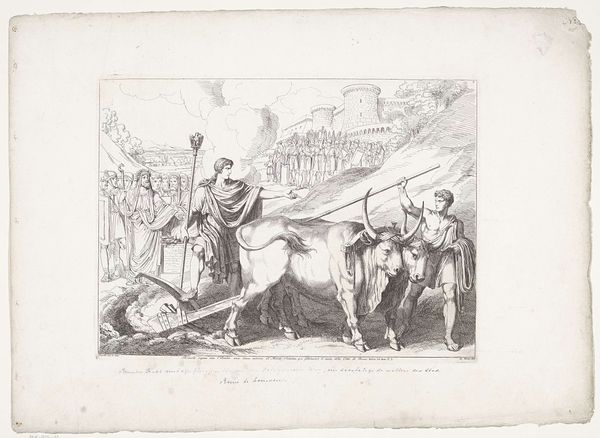
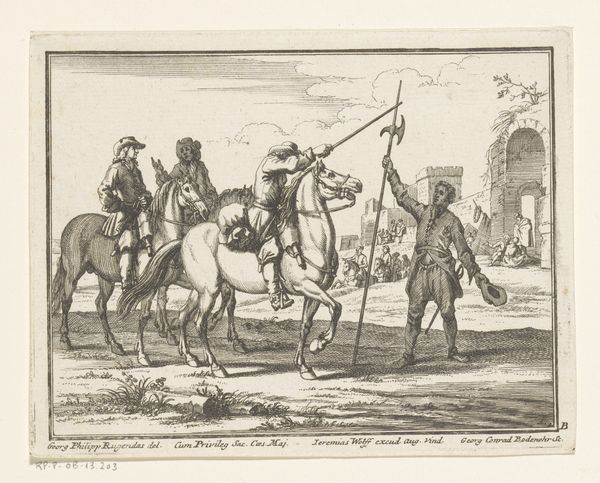
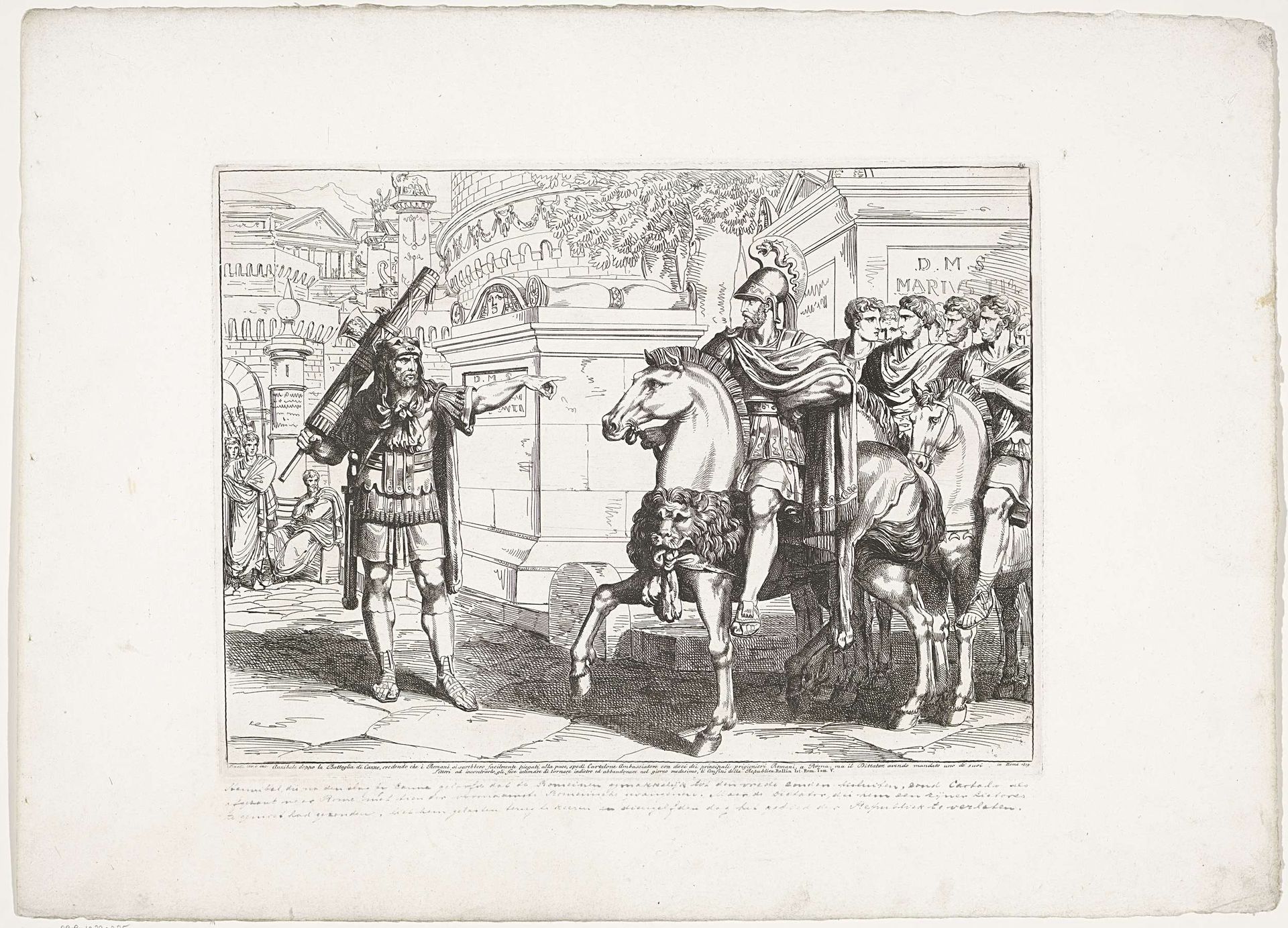
Afgezant van Hannibal met tien Romeinse gevangenen naar Rome

Listen to curator's interpretation
Curatorial notes
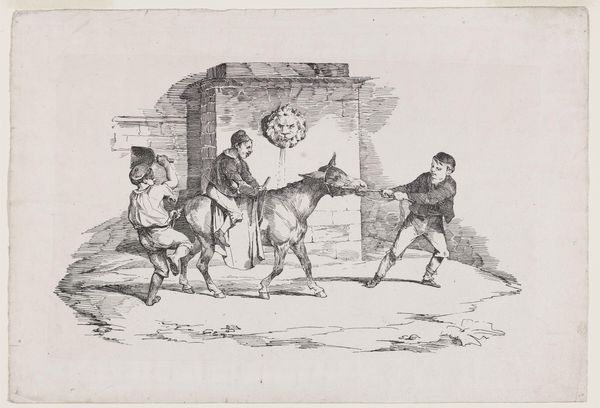
This print by Bartolomeo Pinelli depicts Hannibal's envoy presenting Roman prisoners, a stark image of power and subjugation. The laurel wreath, adorning the ambassador’s head, traditionally symbolizes victory and triumph. Consider, however, how this symbol has migrated through time. Initially a marker of Apollonian glory in ancient Greece, it was adopted by Roman emperors to signal divine status. Note the statue of the lion in the foreground, a symbol of strength and courage. These symbols have carried emotional weight through the ages. The power dynamic is palpable, the envoy pointing commandingly, a gesture that echoes in countless depictions of authority. These symbols have been passed down through history and been adapted to new socio-political contexts. Such gestures stir deep psychological resonances, tapping into our collective memory of dominance and submission. Even today, these archetypes persist, underscoring the cyclical progression of power and its visual language.