About this artwork
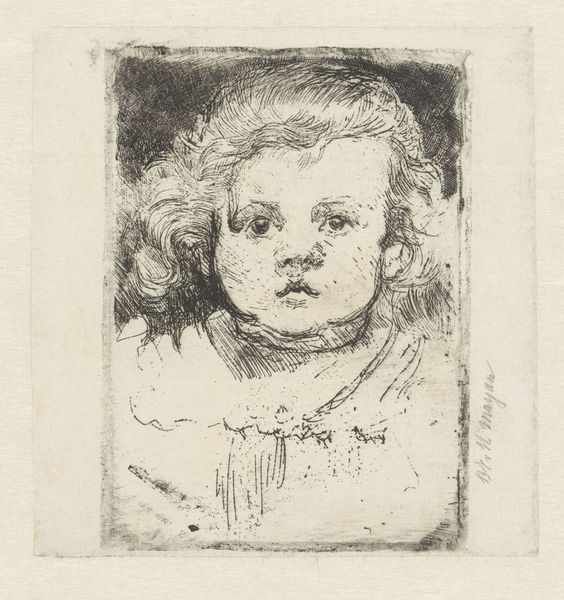
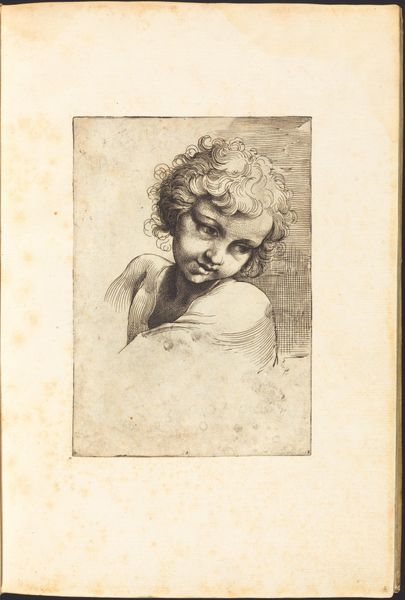
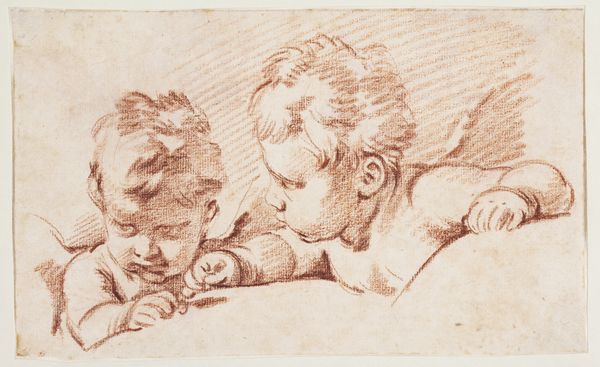
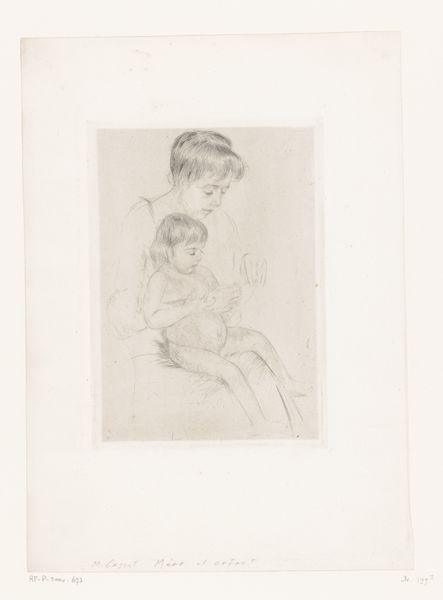
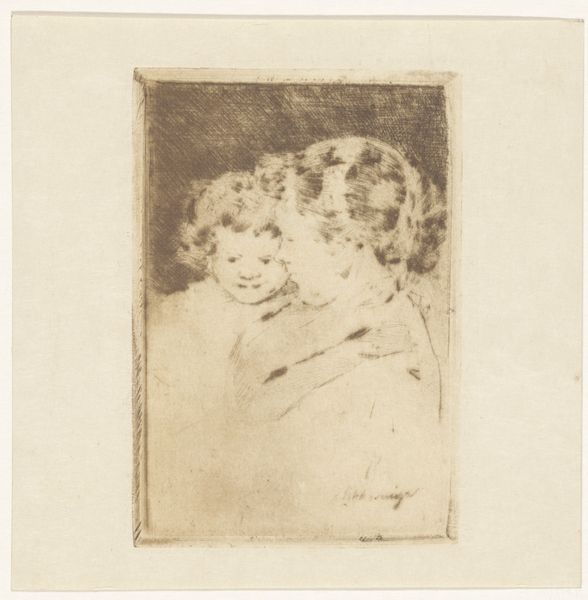
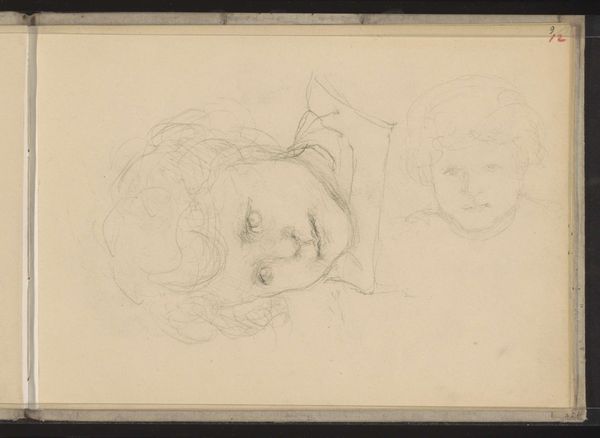
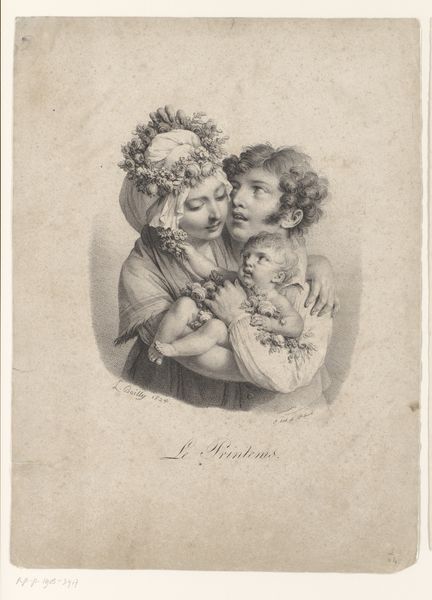
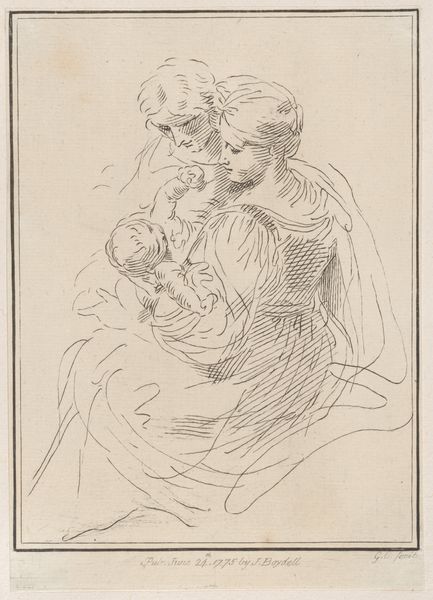
This is an etching by Alphonse Legros, titled "Sketch for Two Children's Heads." He made it in the late 19th century, a time when the art world in France was changing quickly. Legros was part of a movement called Realism. Realist artists turned away from grand historical or mythological scenes. Instead, they focused on everyday life, often depicting working-class people or the natural world. But here, he seems to draw on the older tradition of Renaissance art. Although we don't know the sitters, such artistic approaches have been formative for how we imagine our world. Images such as these have a long and complex history. Art historians work to trace that history. We look at how different eras and institutions have shaped how we think about childhood and the role of family. By looking closely, we can understand how it reflects and shapes society.
Sketch for Two Children's Heads 1887 - 1897


Artwork details
- Medium
- drawing, print, etching
- Dimensions
- Sheet: 2 3/4 × 3 5/8 in. (7 × 9.2 cm) Plate: 1 9/16 × 1 1/2 in. (3.9 × 3.8 cm)
- Location
- Metropolitan Museum of Art, New York, NY
- Copyright
- Public Domain
Tags
portrait
drawing
etching
pencil sketch
Comments
No comments
About this artwork
This is an etching by Alphonse Legros, titled "Sketch for Two Children's Heads." He made it in the late 19th century, a time when the art world in France was changing quickly. Legros was part of a movement called Realism. Realist artists turned away from grand historical or mythological scenes. Instead, they focused on everyday life, often depicting working-class people or the natural world. But here, he seems to draw on the older tradition of Renaissance art. Although we don't know the sitters, such artistic approaches have been formative for how we imagine our world. Images such as these have a long and complex history. Art historians work to trace that history. We look at how different eras and institutions have shaped how we think about childhood and the role of family. By looking closely, we can understand how it reflects and shapes society.
Comments
No comments