1740
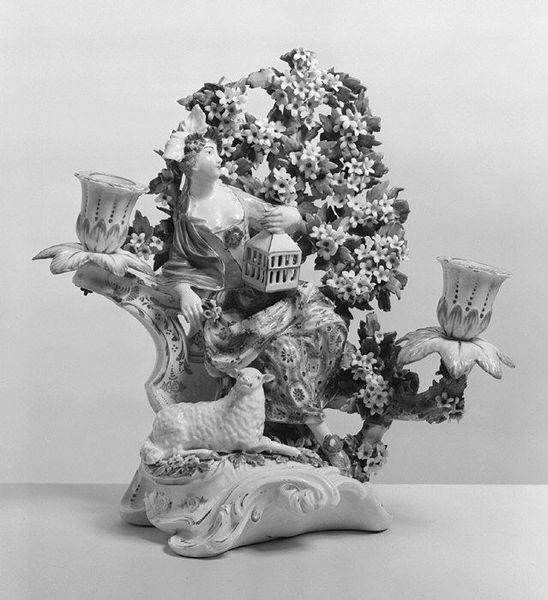
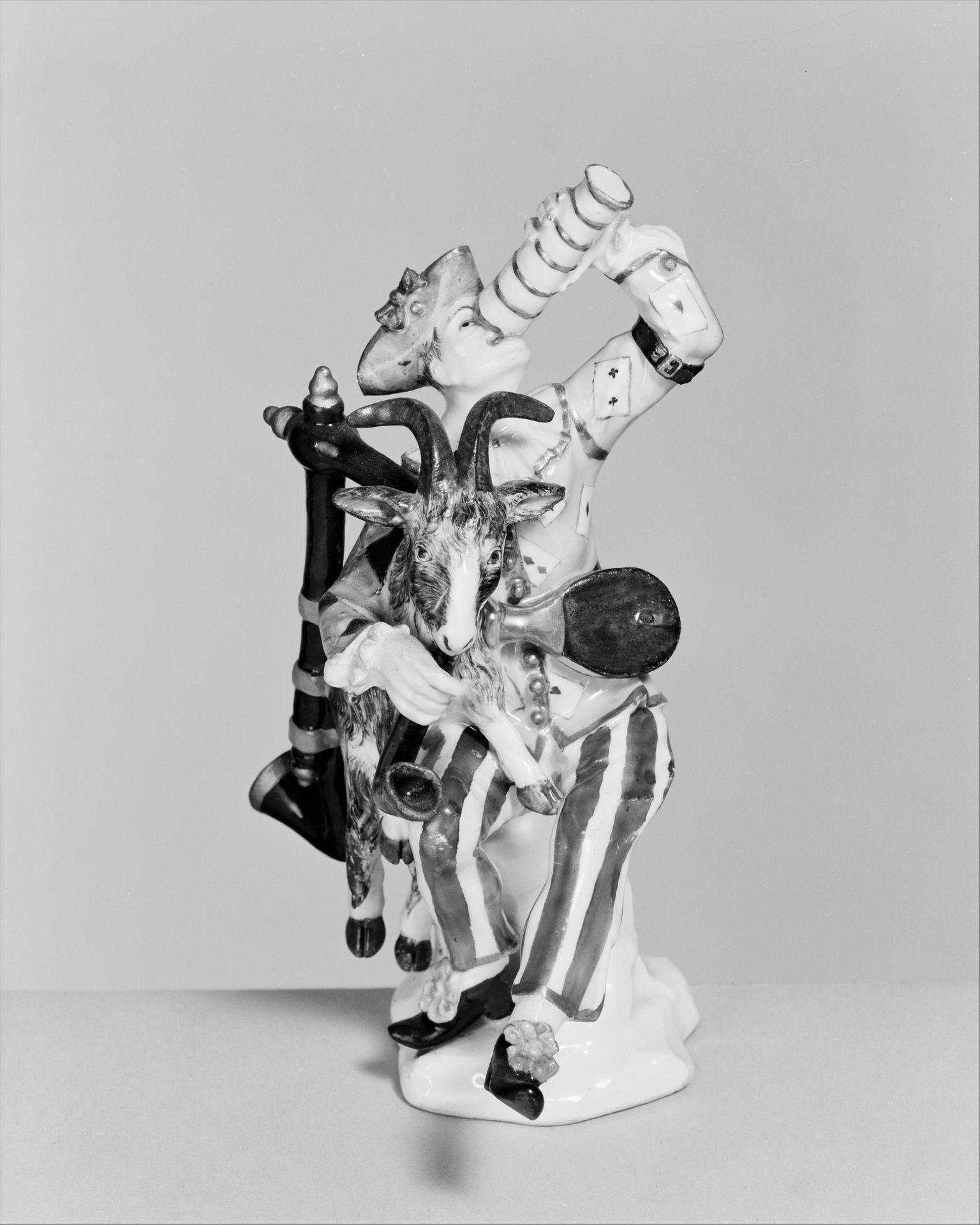
Harlequin with goat


Listen to curator's interpretation
Curatorial notes
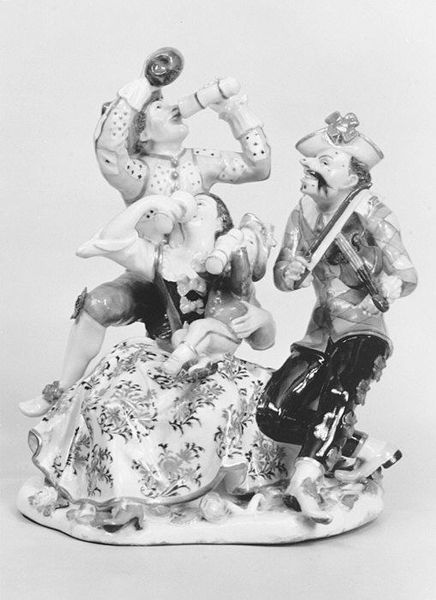
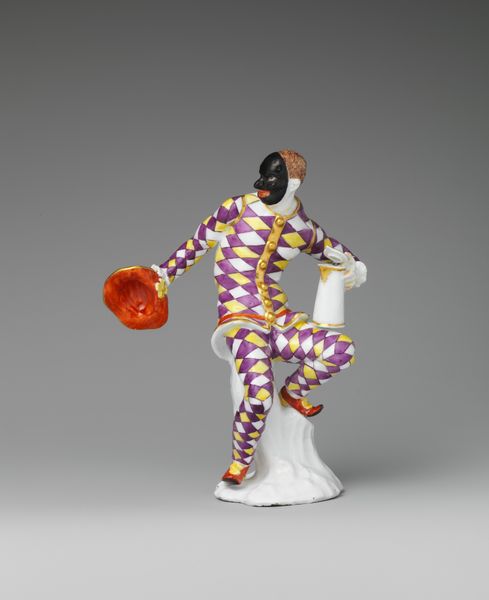
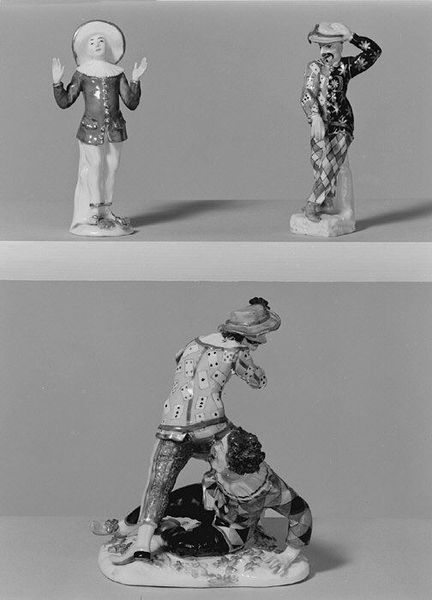
This is a porcelain sculpture of a Harlequin with a goat, made by the Meissen Manufactory in Germany. Harlequin was a popular character from the Italian commedia dell'arte, often portrayed as a mischievous and witty servant. The Meissen factory, established in the early 18th century, was the first to produce porcelain outside of Asia, becoming a symbol of European artistic and economic ambition. The sculpture reflects the cultural fascination with theater and performance during the period. It could be seen as a playful commentary on social roles and hierarchies, with the Harlequin embodying a spirit of irreverence and the goat perhaps symbolizing rustic, untamed nature. To better understand its significance, one might consult theater history, studies of porcelain production, and social histories of 18th-century Europe, remembering that the meaning of art is always tied to its social and institutional context.