About this artwork
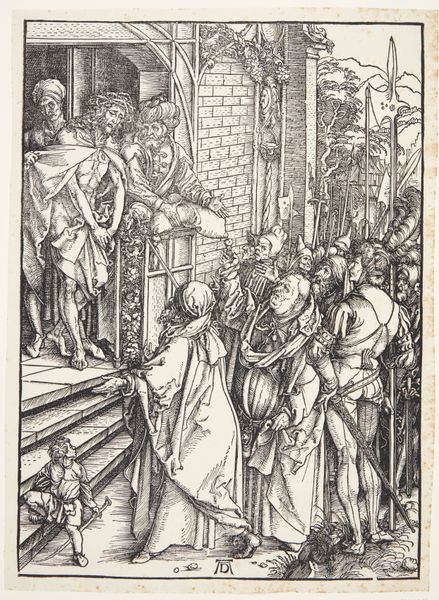
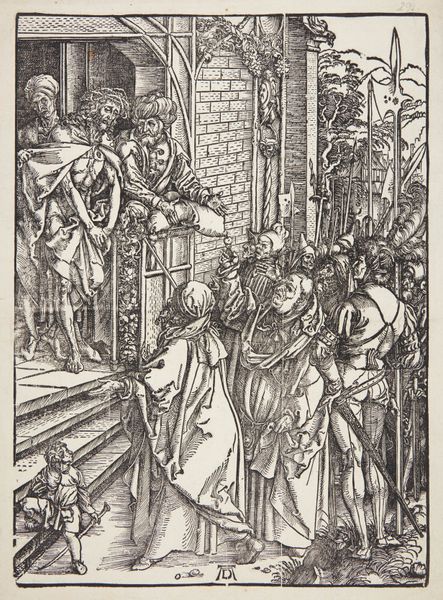
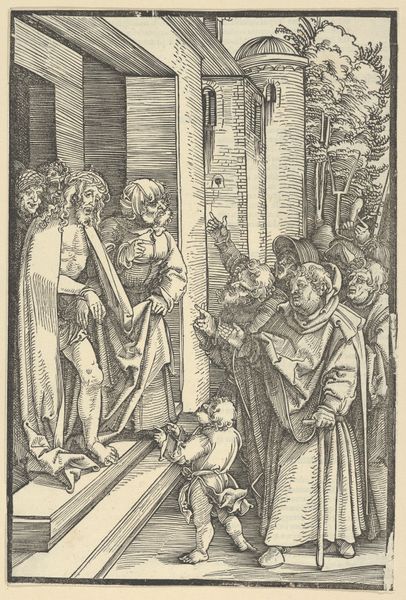
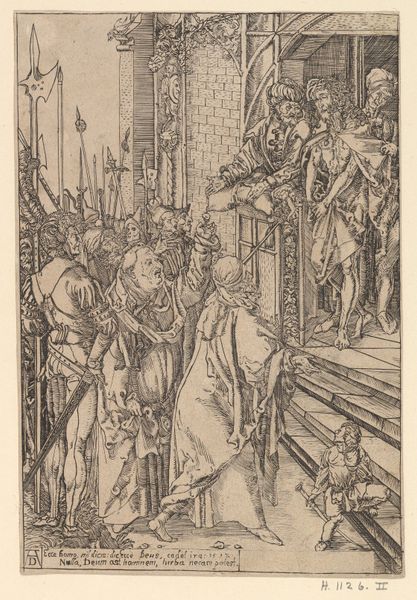
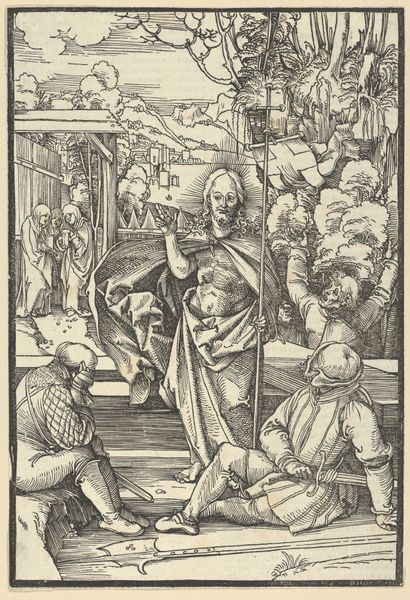
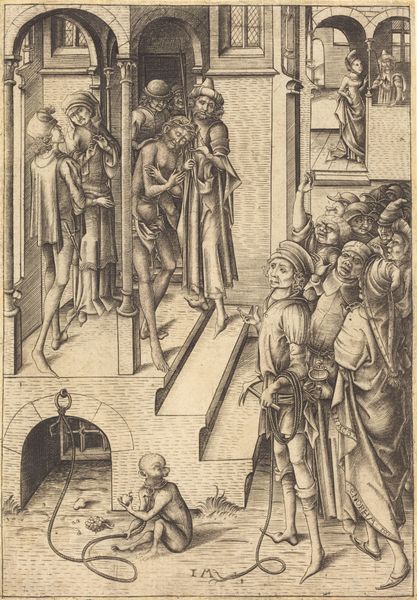
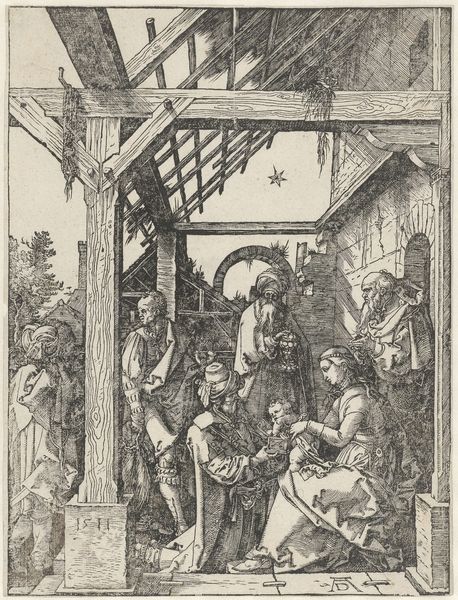
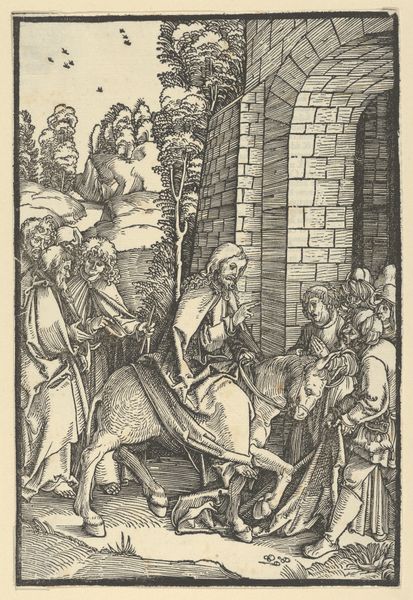
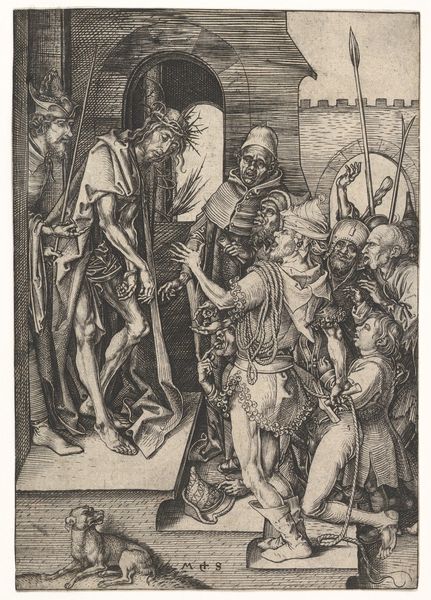
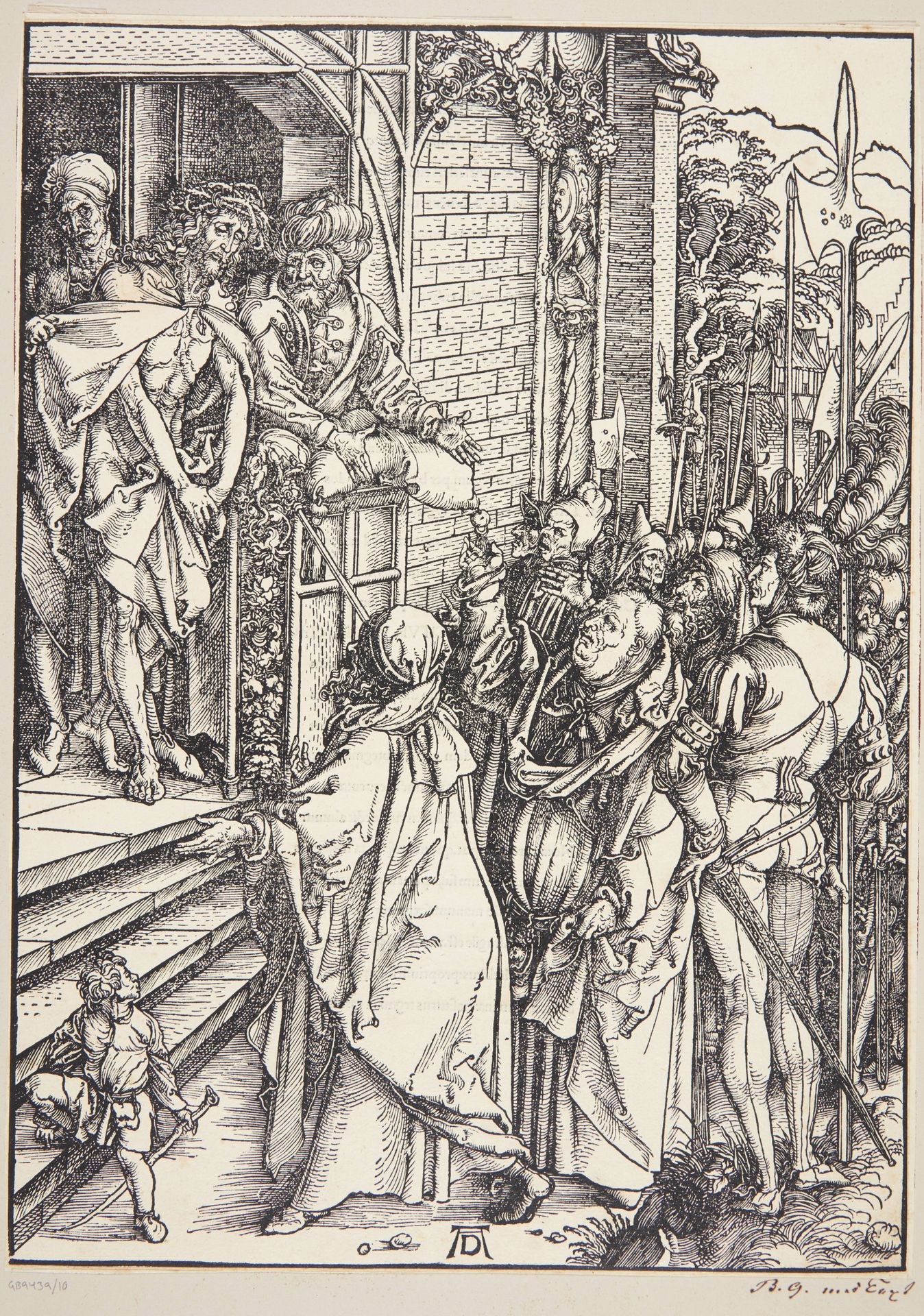
Albrecht Dürer made this print, “Ecce Homo - The Presentation of Christ,” using the process of woodcut. A demanding form of relief printmaking, woodcut involves carving an image into a block of wood. The remaining raised surface is inked and then printed onto paper. Look closely, and you can almost trace the artist’s process. Each line is an intentional, physical act. The stark contrast between black and white creates a dramatic intensity, perfectly suited to the scene. Dürer's skill is evident in the intricate details, from the textures of the clothing to the emotional expressions of the figures. In the early 16th century, printmaking democratized art, making it accessible beyond wealthy patrons. Dürer was among the first artist-entrepreneurs, distributing his prints widely and building a brand. By considering the means of production – the labor, skill, and social context – we can understand how “Ecce Homo” operates not only as a work of devotion, but also as a powerful statement about art's role in society.
Ecce Homo - The Presentation of Christ 1496 - 1499


Artwork details
- Medium
- print, woodcut
- Dimensions
- 397 mm (height) x 286 mm (width) (bladmaal)
- Location
- SMK - Statens Museum for Kunst
Tags
narrative-art
figuration
woodcut
history-painting
northern-renaissance
Comments
No comments
About this artwork
Albrecht Dürer made this print, “Ecce Homo - The Presentation of Christ,” using the process of woodcut. A demanding form of relief printmaking, woodcut involves carving an image into a block of wood. The remaining raised surface is inked and then printed onto paper. Look closely, and you can almost trace the artist’s process. Each line is an intentional, physical act. The stark contrast between black and white creates a dramatic intensity, perfectly suited to the scene. Dürer's skill is evident in the intricate details, from the textures of the clothing to the emotional expressions of the figures. In the early 16th century, printmaking democratized art, making it accessible beyond wealthy patrons. Dürer was among the first artist-entrepreneurs, distributing his prints widely and building a brand. By considering the means of production – the labor, skill, and social context – we can understand how “Ecce Homo” operates not only as a work of devotion, but also as a powerful statement about art's role in society.
Comments
No comments