1811 - 1893
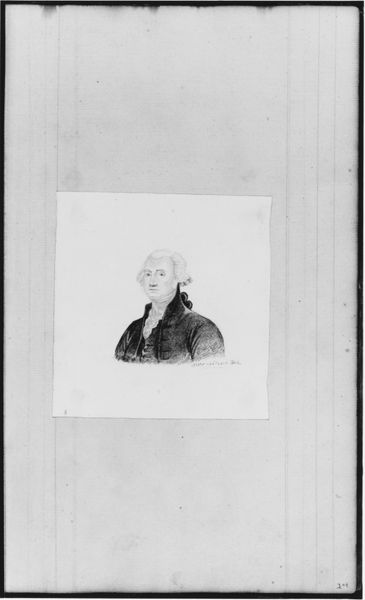
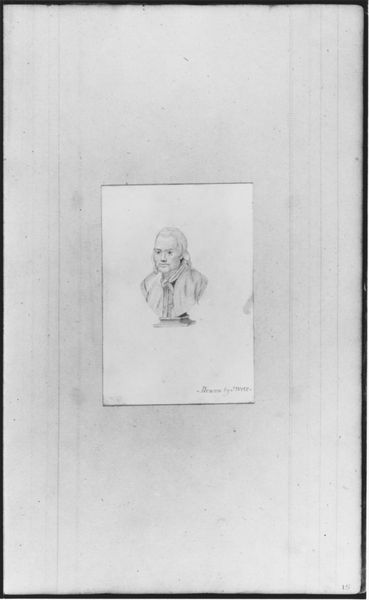
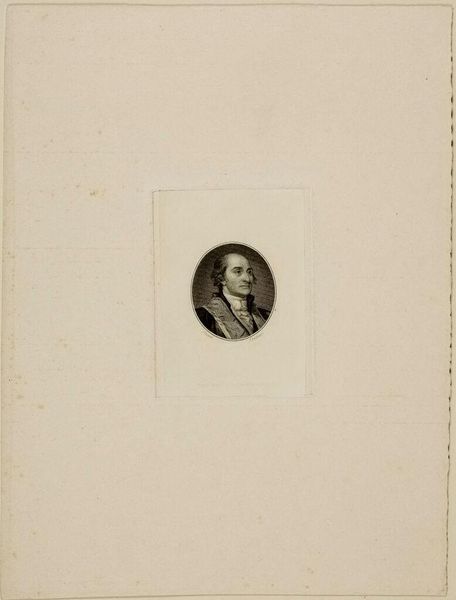
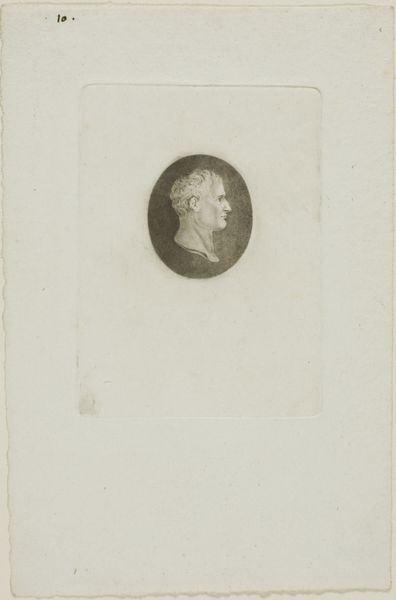
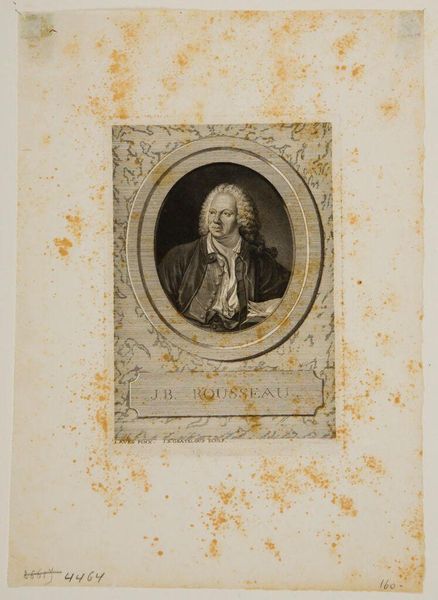
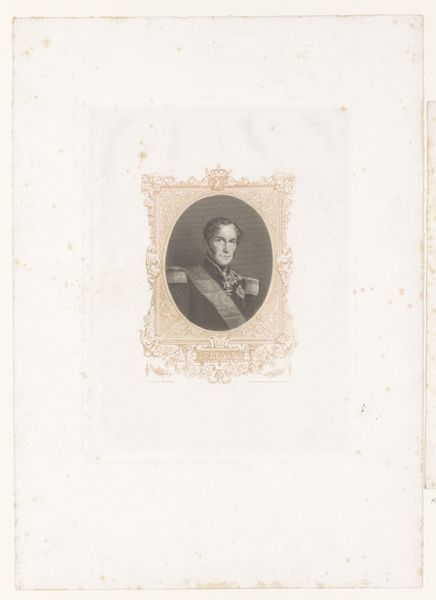
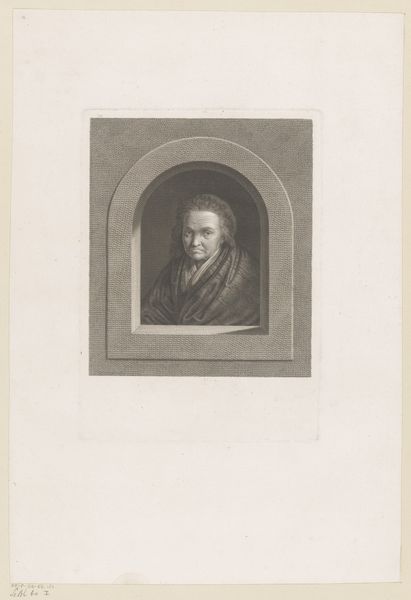
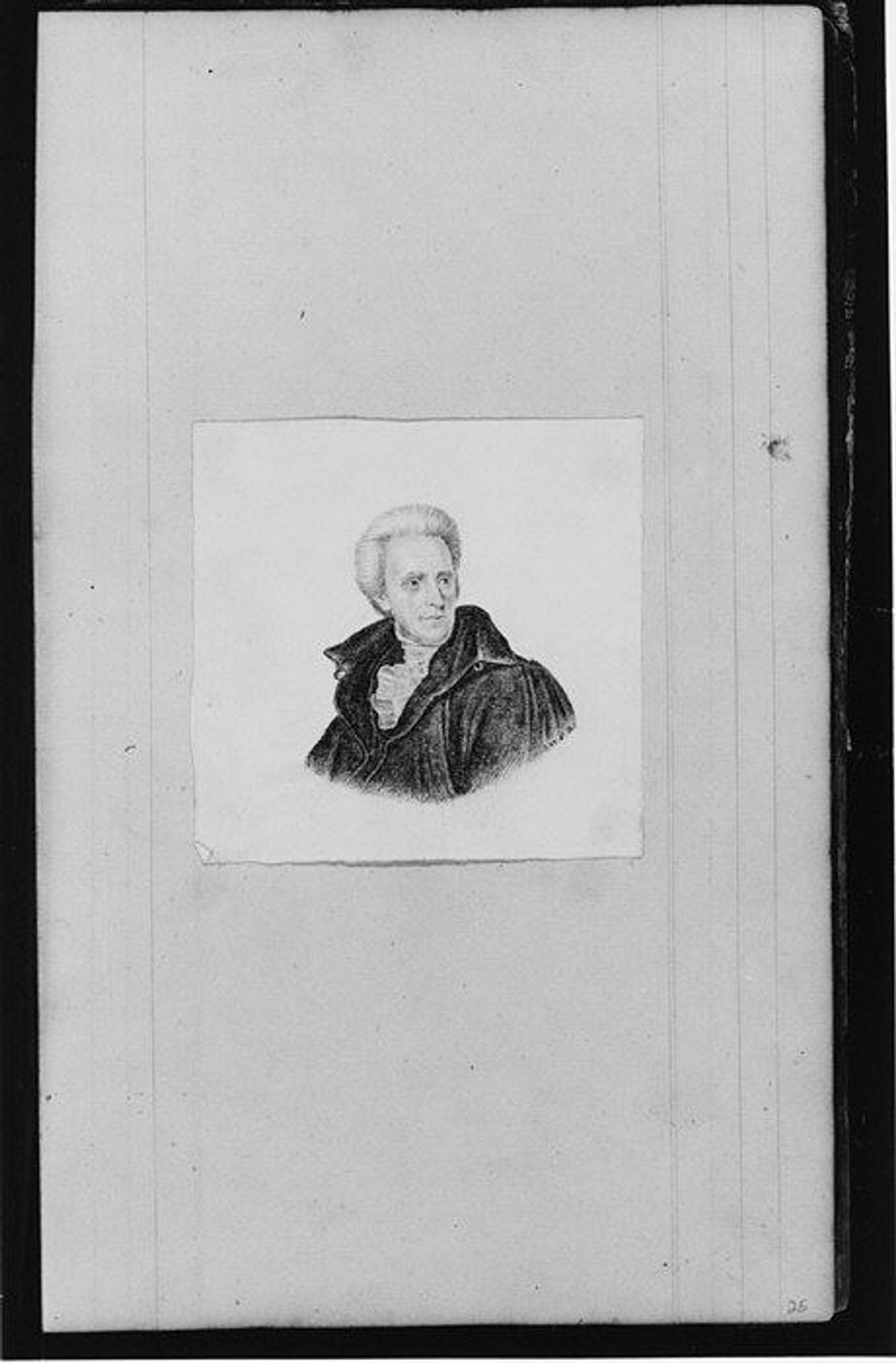
Bust Portrait of Andrew Jackson (?) (from Sketchbook)

John William Casilear
1811 - 1893
The Metropolitan Museum of Art
Metropolitan Museum of Art, New York, NYListen to curator's interpretation
Curatorial notes
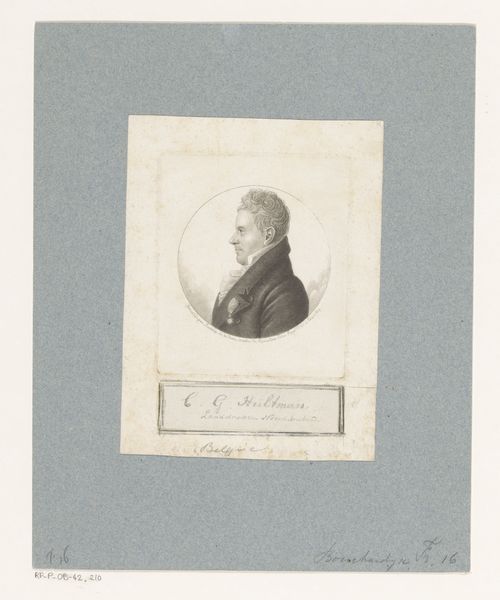
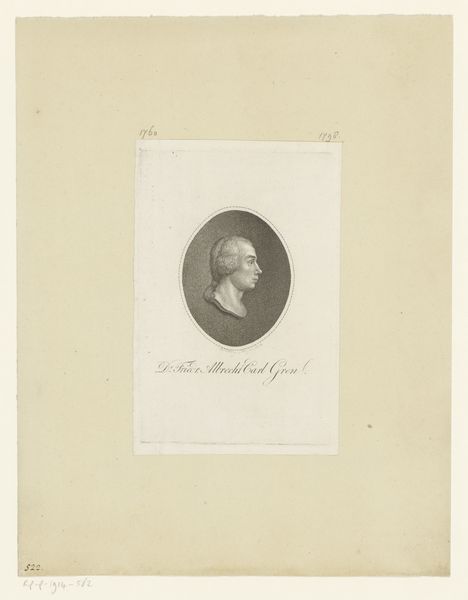
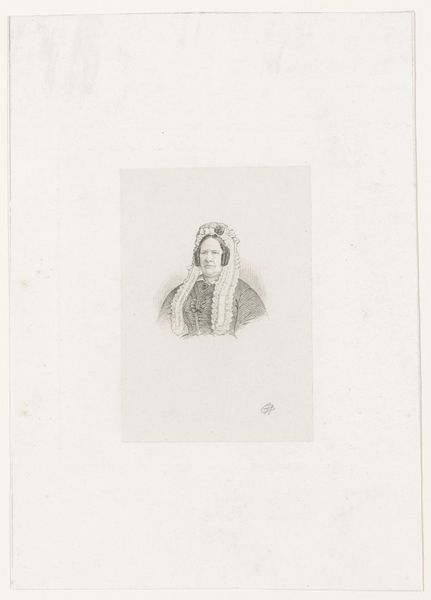
Here we see a bust portrait of a man, possibly Andrew Jackson, sketched by John William Casilear in the 19th century. The most dominant visual element is the high collar and the cravat, symbols of status and formality. The cravat, a precursor to the modern necktie, originated in the 17th century. Croatian soldiers used a piece of cloth around their necks as part of their uniform. This practical item was then adopted by the French court as a decorative accessory, quickly spreading across Europe. Here, it reappears in 19th century America, not merely as a fashion statement, but as an emblem of authority and respectability, a marker of the sitter's social standing. Like the snake devouring its own tail, the cravat’s evolution is a symbol of culture, constantly resurfacing, reinterpreted, and renewed through the ages.