1760s
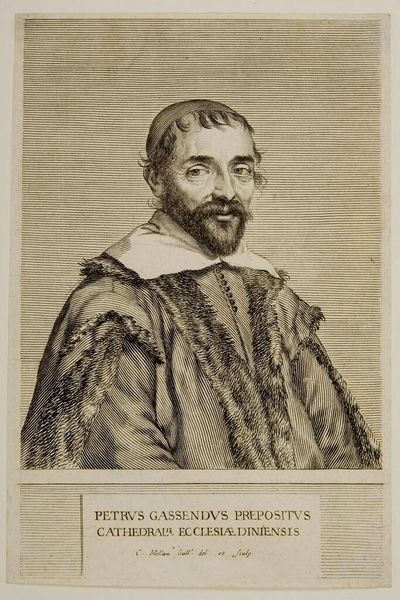
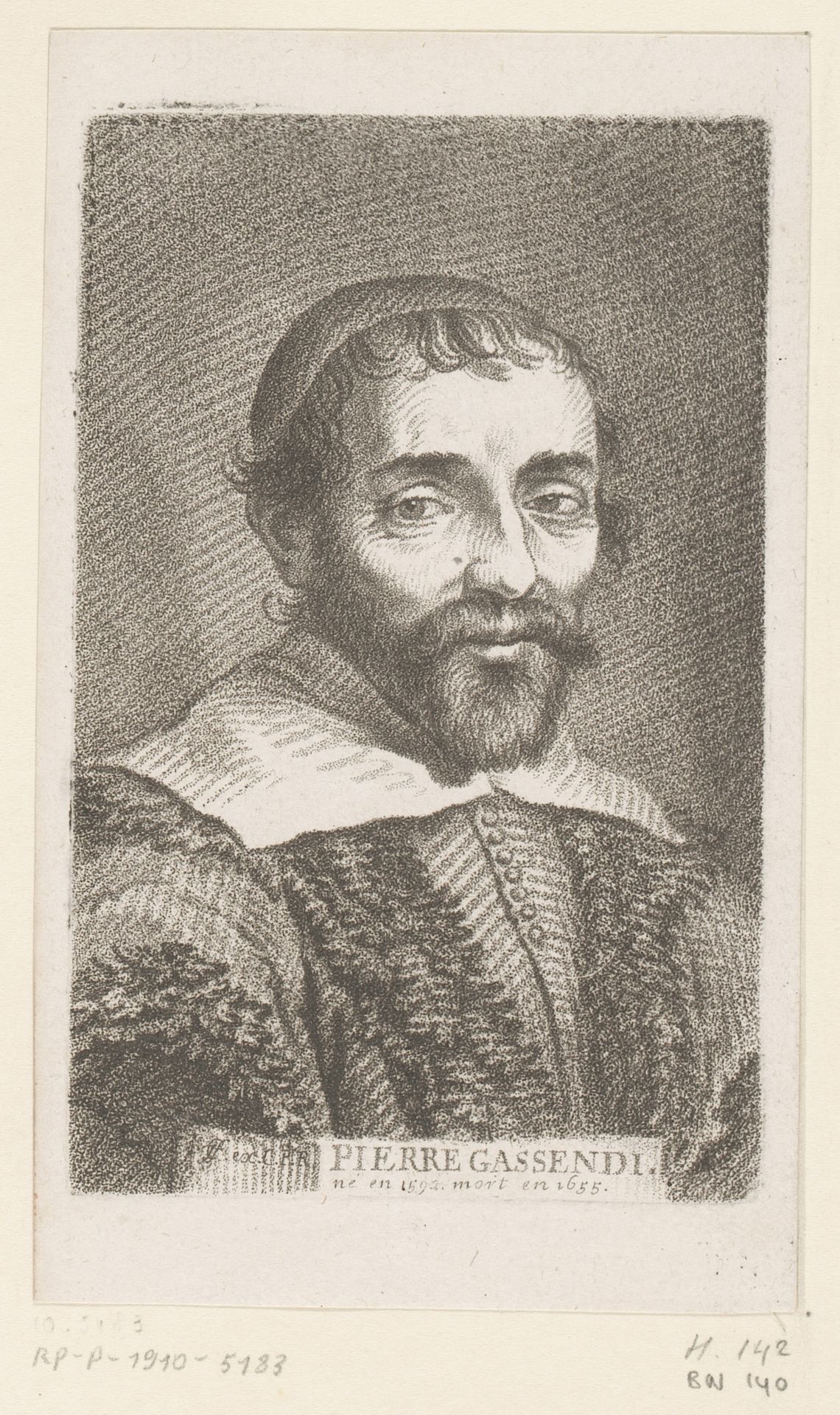
Portret van Pierre Gassendi

Listen to curator's interpretation
Curatorial notes
Editor: So, this is “Portret van Pierre Gassendi,” an engraving from the 1760s by Jean-Charles François. The level of detail achieved purely through this printmaking process is really quite striking. What catches your eye in this work? Curator: It's precisely that detail you mentioned. The burin work is exceptionally fine, revealing the hand labor involved in reproducing an image in 18th-century Europe. Consider the social implications. This wasn't mass production as we understand it; it was skilled craftsmanship creating multiple, relatively affordable likenesses for distribution. How do you think the materiality of the engraving influenced its accessibility? Editor: That's a great question. The accessibility factor certainly sets it apart from, say, an oil painting which would have been limited to a wealthy patron. These engravings allowed for broader distribution of knowledge and images. Do you see that democratization of image-making as significant? Curator: Absolutely. The means of production shaped its consumption and, thus, its social impact. Moreover, think about the networks involved – from the engraver and publisher to the distributors and collectors. This print highlights the transition from unique artistic objects to reproducible commodities within a burgeoning market economy. Are you seeing how the materiality roots the artwork into an economical context? Editor: Yes, that makes complete sense. I never thought about it as part of the shift toward reproducible commodities. I’m also considering how it redefines value. Curator: Indeed! We've moved from appreciating art primarily for its aesthetic or symbolic value, to considering the material conditions and the labor invested in its making and distribution. It offers a fresh lens for interpretation. Editor: This has really opened my eyes to thinking about art beyond just its surface appearance. Looking at its material reality unlocks new layers of meaning and historical understanding. Thanks!