
Curatorial notes
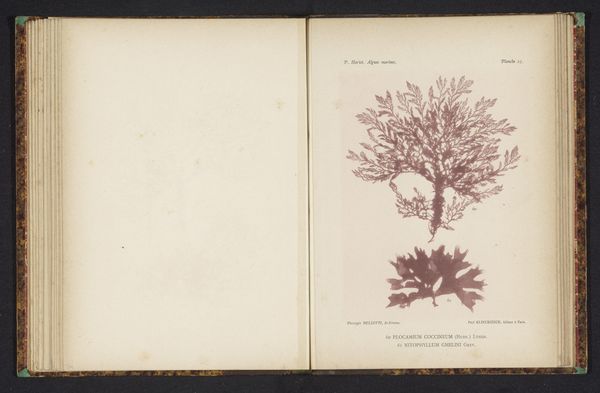
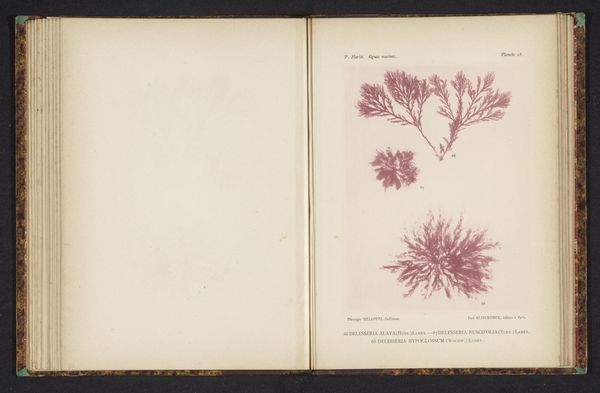
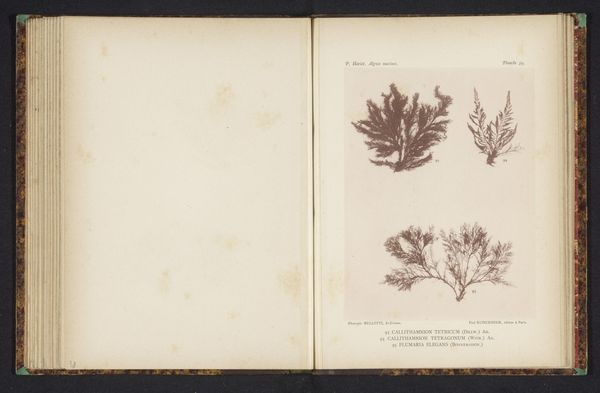
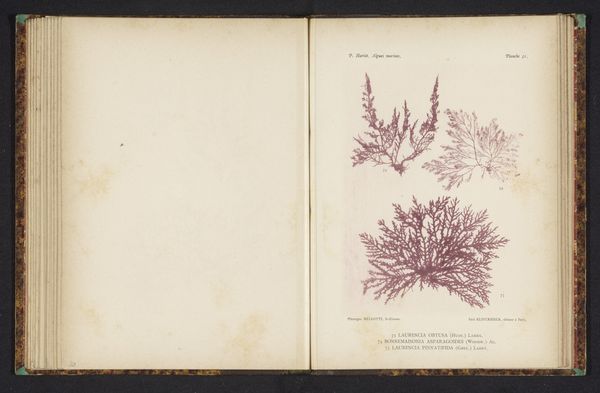
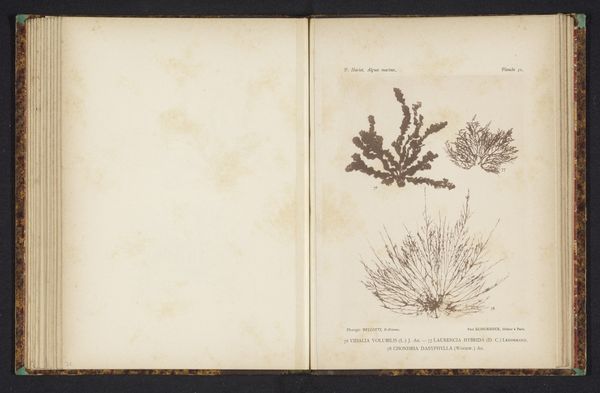
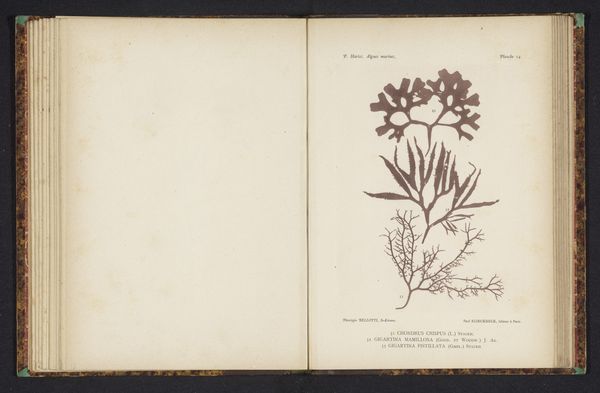
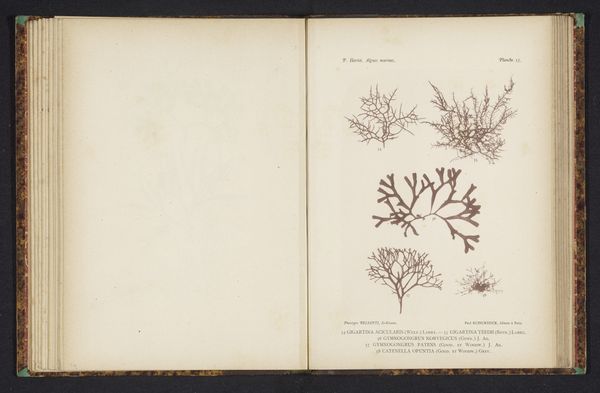
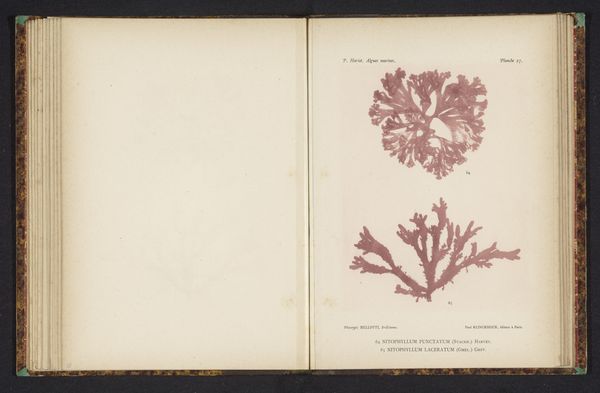
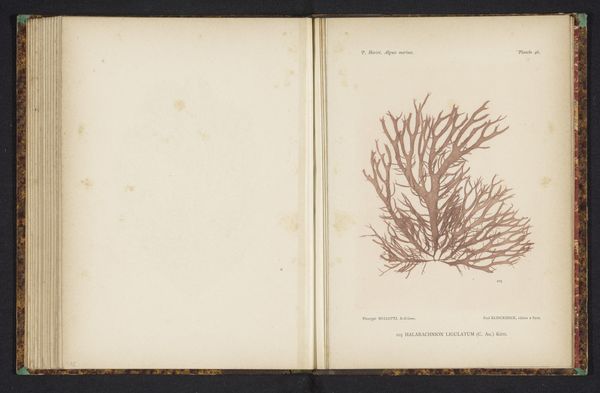
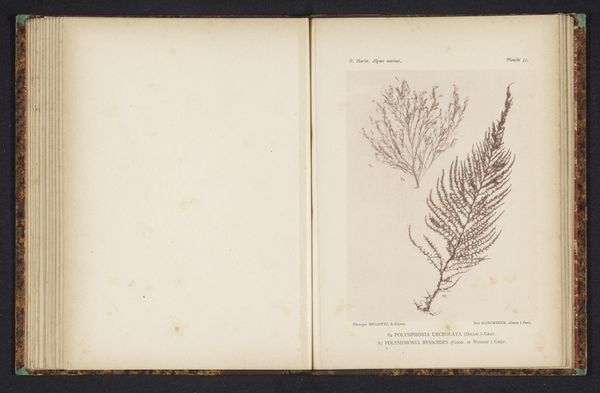
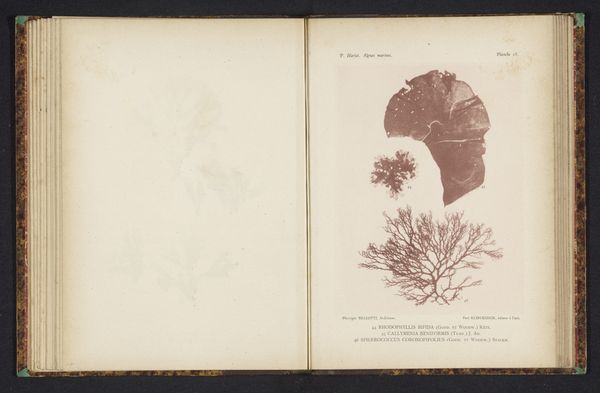
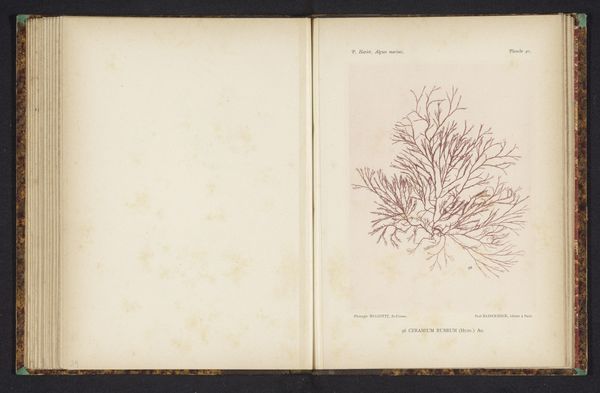
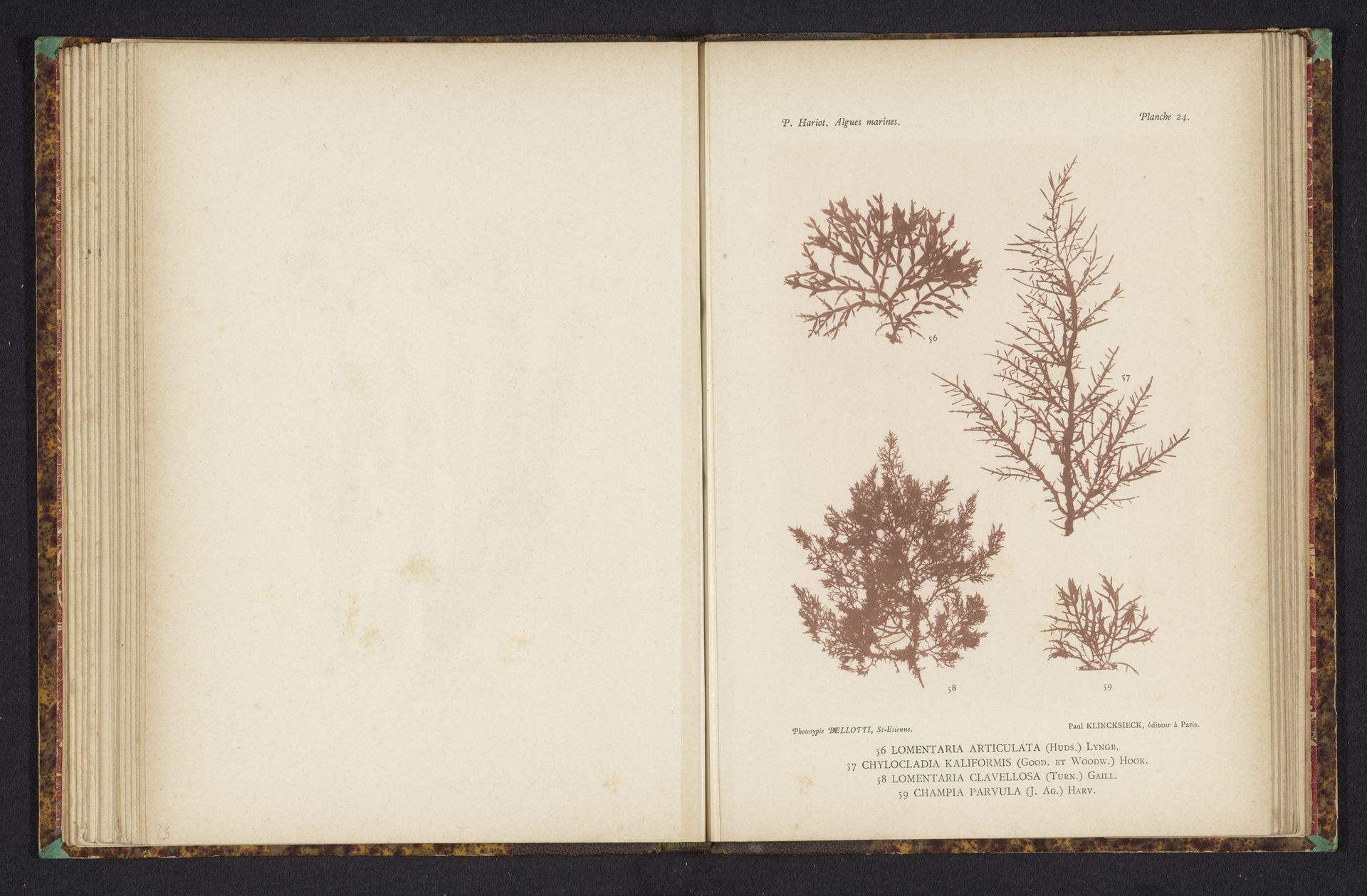
This print depicts four types of seaweed and was made by an anonymous artist. Works like this reflect a period of intense scientific exploration and classification. Across the 18th and 19th centuries, there was a vogue for the Linnaean system of taxonomy. It sought to organize and present the natural world as a hierarchical structure, and this kind of imagery was closely tied to European colonialism, as colonial powers gathered specimens and sought to classify the resources and lifeforms they encountered. Consider the role institutions like botanical gardens and museums played in shaping knowledge about the natural world. These spaces were not neutral; they were shaped by specific social, economic, and political agendas. This print, as a scientific illustration, reflects a desire to categorize and control nature. To understand such images, we need to consider the history of science, colonialism, and the power dynamics that shape how we understand the natural world. By researching the scientific practices and institutional contexts of the time, we can gain a deeper understanding of its cultural significance.