About this artwork
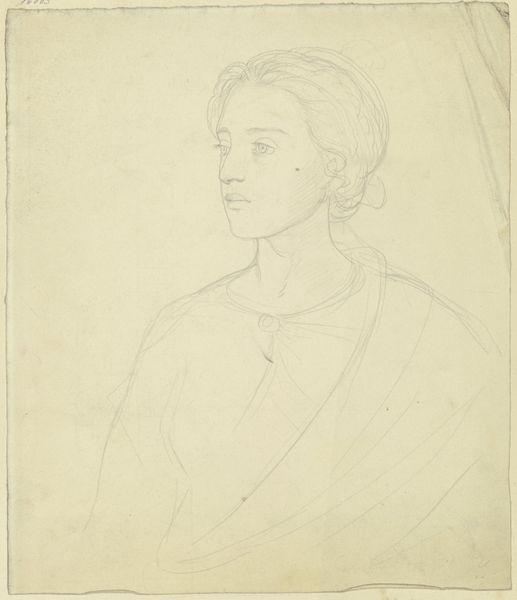
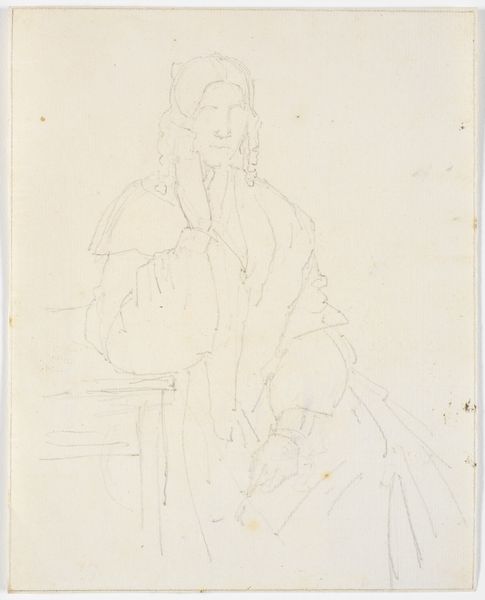
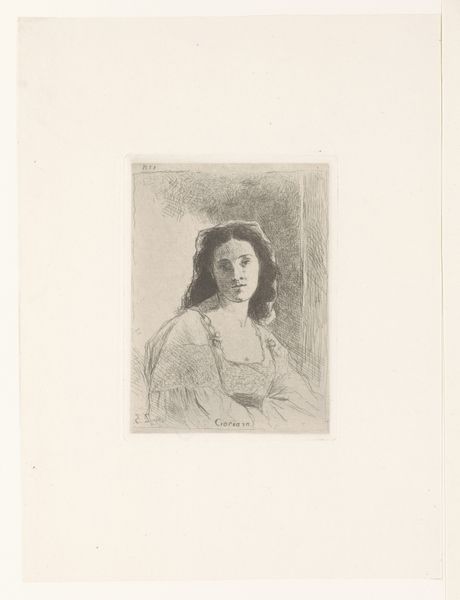
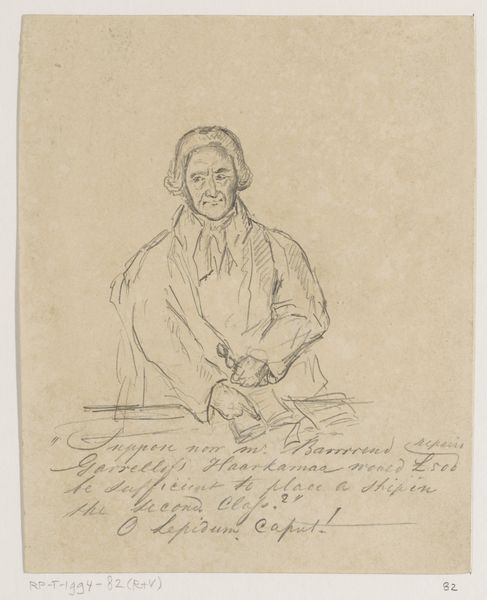
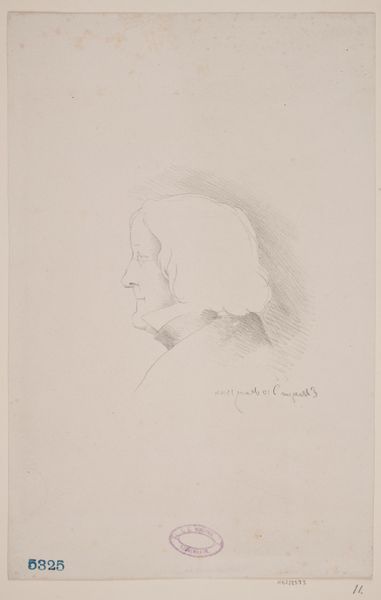
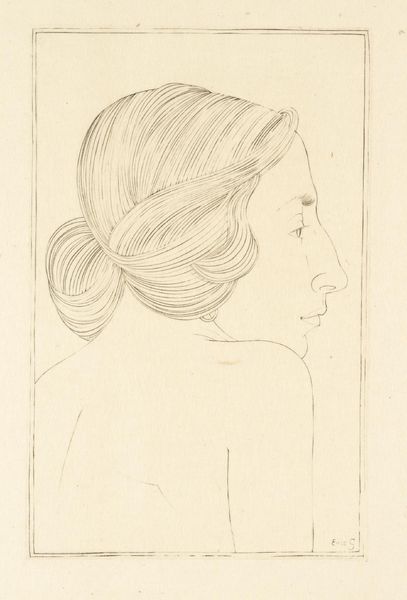
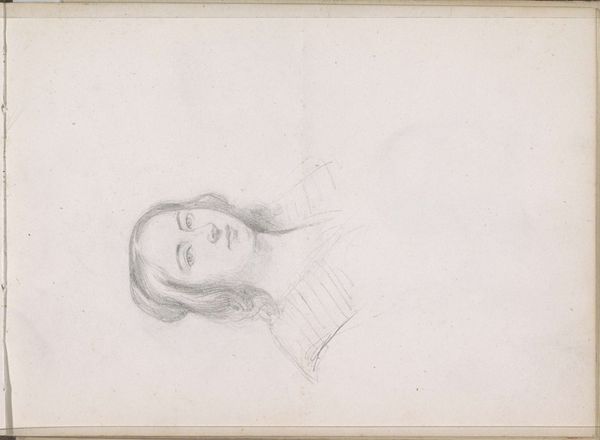
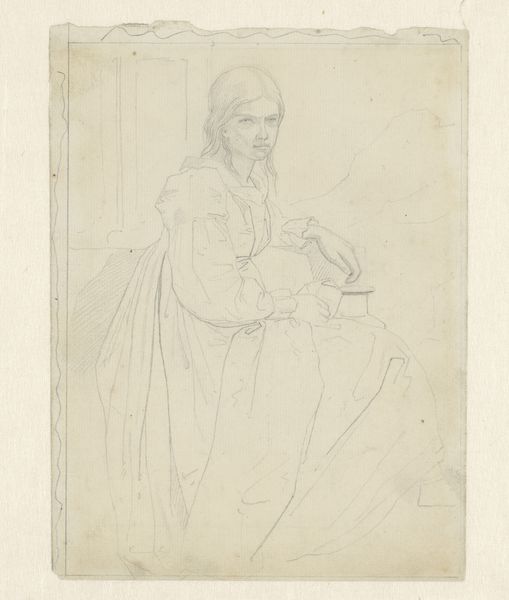
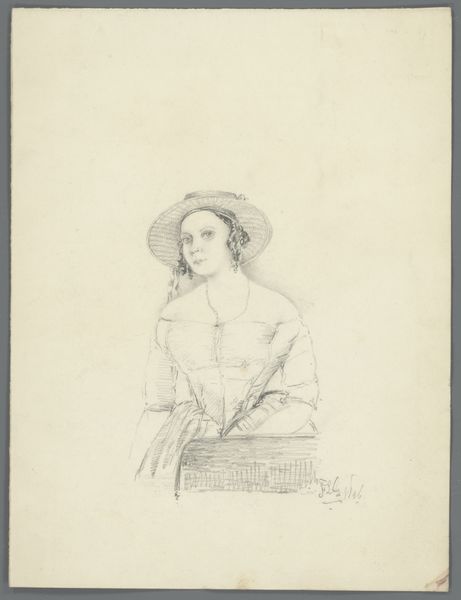
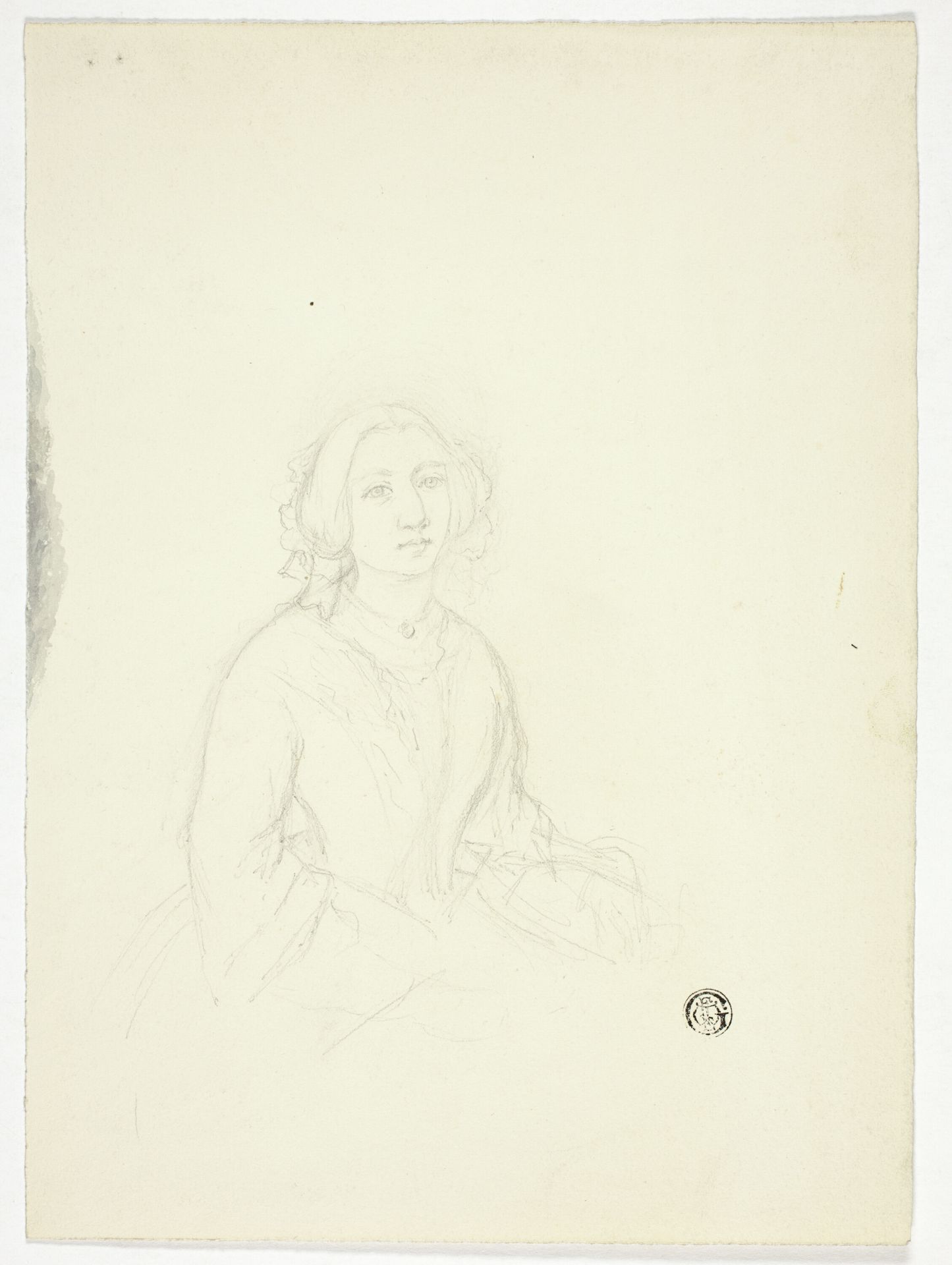
Elizabeth Murray created this pencil drawing, "Portrait of Woman," during a period of significant social change where women were beginning to push against traditional roles. Murray was an English portrait painter who spent much of her career traveling extensively in Europe and the Middle East. She lived a life that challenged Victorian norms and conventions. Although the identity of the sitter is unknown, it appears to be a portrait of a woman of European descent. We see a young woman with a simple hairstyle and dress that suggests a middle-class background. The simplicity of the medium gives an air of accessibility, as if Murray wants to capture the essence of the sitter in an honest, unfiltered way. The softness of the lines and the gentle shading evoke a sense of intimacy. This artwork embodies a subtle yet powerful statement about the changing roles of women in the 19th century. It reflects a desire to move beyond conventional representations and explore the complexities of identity and personhood through art.
Portrait of Woman
n.d.


Artwork details
- Medium
- drawing, paper, pencil, graphite
- Dimensions
- 251 mm × 183 mm
- Location
- The Art Institute of Chicago
- Copyright
- Public Domain
Tags
Comments
Share your thoughts
About this artwork
Elizabeth Murray created this pencil drawing, "Portrait of Woman," during a period of significant social change where women were beginning to push against traditional roles. Murray was an English portrait painter who spent much of her career traveling extensively in Europe and the Middle East. She lived a life that challenged Victorian norms and conventions. Although the identity of the sitter is unknown, it appears to be a portrait of a woman of European descent. We see a young woman with a simple hairstyle and dress that suggests a middle-class background. The simplicity of the medium gives an air of accessibility, as if Murray wants to capture the essence of the sitter in an honest, unfiltered way. The softness of the lines and the gentle shading evoke a sense of intimacy. This artwork embodies a subtle yet powerful statement about the changing roles of women in the 19th century. It reflects a desire to move beyond conventional representations and explore the complexities of identity and personhood through art.
Comments
Share your thoughts