About this artwork
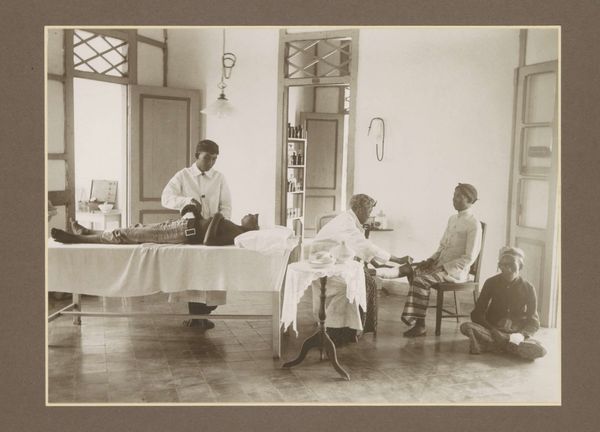
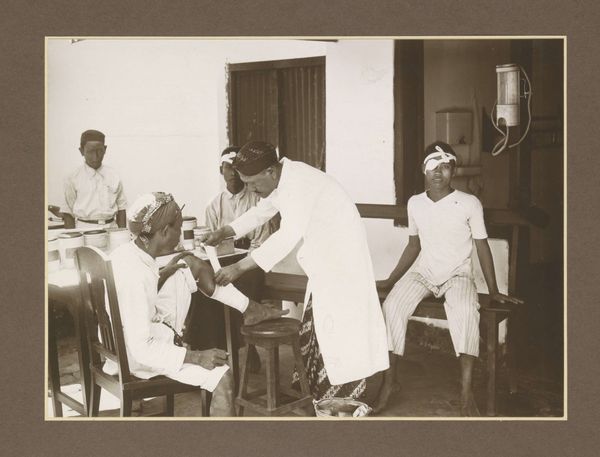
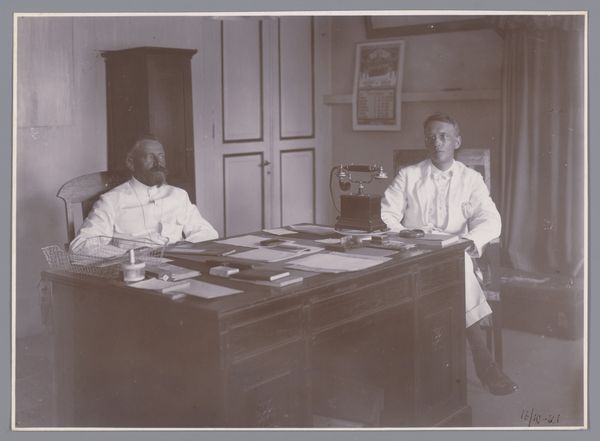
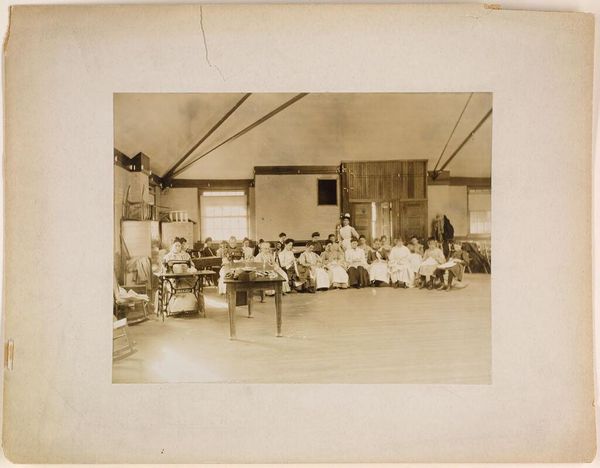
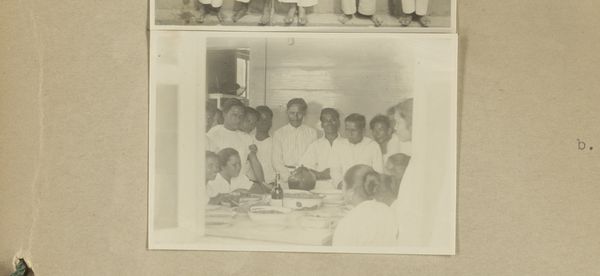
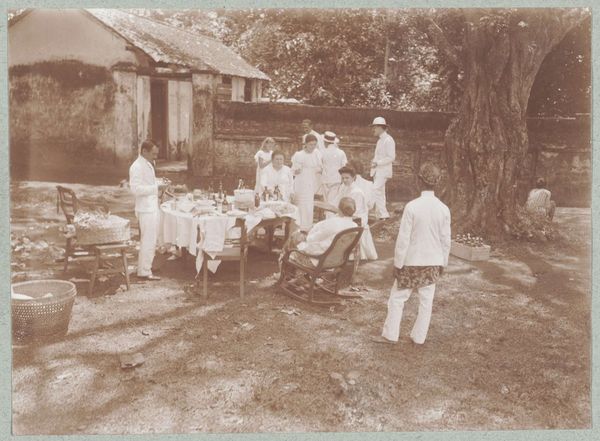
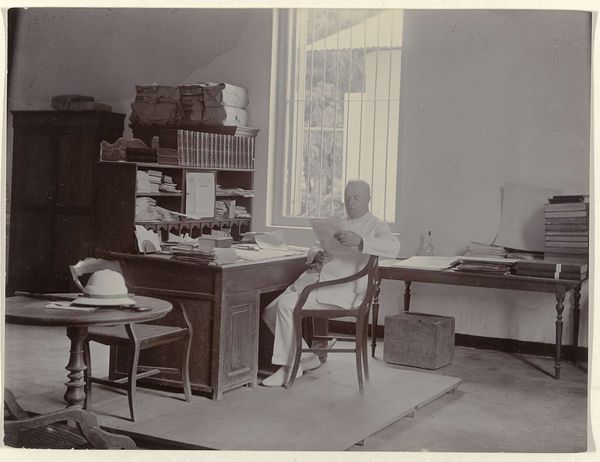
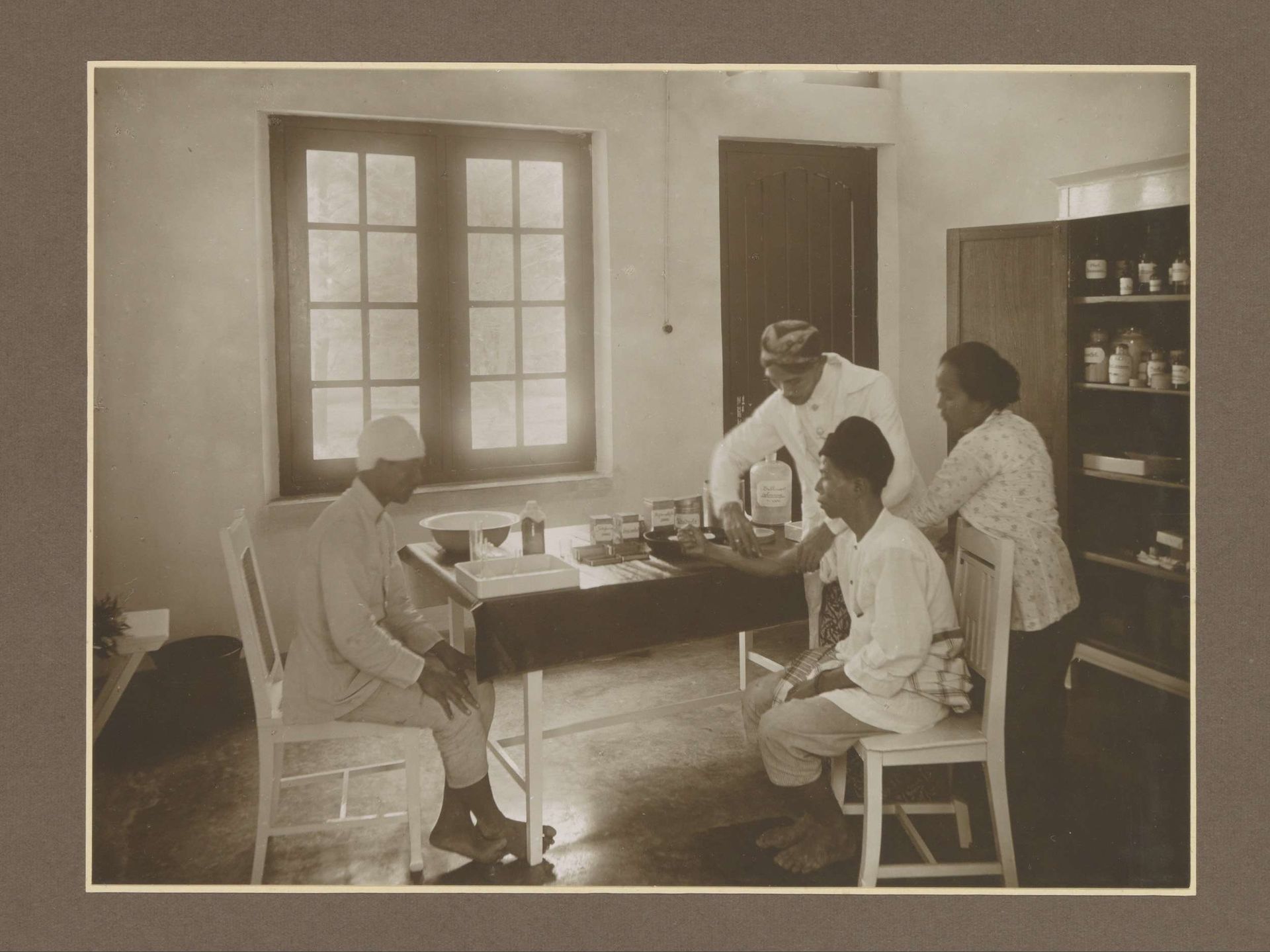
This photograph by Isken depicts nurses and patients inside the clinic of the Ngandjoek sugar factory in Java. The image offers a glimpse into the social and economic structures of colonial Indonesia. Sugar factories were a key part of the Dutch colonial economy, and the health of the workers was crucial for maintaining productivity. The clinic itself represents the intersection of colonial power, industrial capitalism, and healthcare. Note the Javanese patients and medical staff, each group marked by distinct ethnic codes. The photograph prompts us to question the power dynamics inherent in colonial medicine. Was healthcare provided out of genuine concern for the workers' well-being, or primarily to ensure a productive labor force? What was the experience of being a Javanese patient in a colonial medical institution? To answer these questions, historians might turn to archival sources, such as records from the sugar factory, medical reports, and personal accounts from patients and healthcare workers. By placing the photograph in its broader social and institutional context, we can gain a deeper understanding of the complex realities of colonial life in Java.
Verplegers en patiënten in de kliniek van suikerfabriek Ngandjoek op Java c. 1925 - 1930

Artwork details
- Medium
- photography, gelatin-silver-print
- Dimensions
- height 297 mm, width 450 mm
- Copyright
- Rijks Museum: Open Domain
Tags
portrait
dutch-golden-age
photography
historical photography
gelatin-silver-print
genre-painting
realism
Comments
No comments
About this artwork
This photograph by Isken depicts nurses and patients inside the clinic of the Ngandjoek sugar factory in Java. The image offers a glimpse into the social and economic structures of colonial Indonesia. Sugar factories were a key part of the Dutch colonial economy, and the health of the workers was crucial for maintaining productivity. The clinic itself represents the intersection of colonial power, industrial capitalism, and healthcare. Note the Javanese patients and medical staff, each group marked by distinct ethnic codes. The photograph prompts us to question the power dynamics inherent in colonial medicine. Was healthcare provided out of genuine concern for the workers' well-being, or primarily to ensure a productive labor force? What was the experience of being a Javanese patient in a colonial medical institution? To answer these questions, historians might turn to archival sources, such as records from the sugar factory, medical reports, and personal accounts from patients and healthcare workers. By placing the photograph in its broader social and institutional context, we can gain a deeper understanding of the complex realities of colonial life in Java.
Comments
No comments