About this artwork
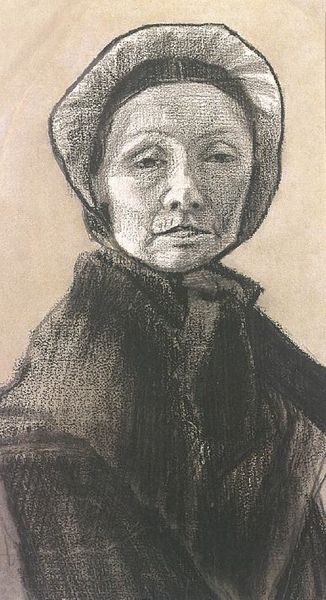
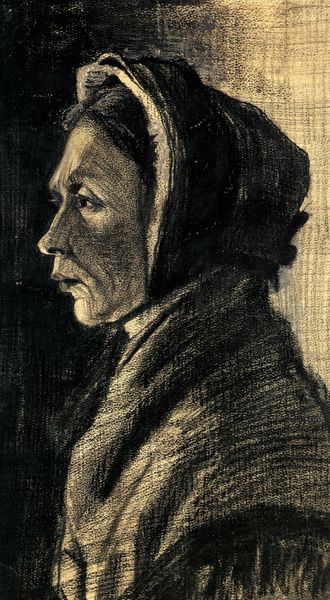
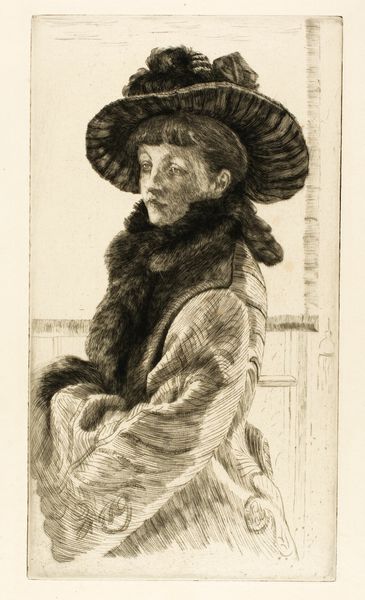
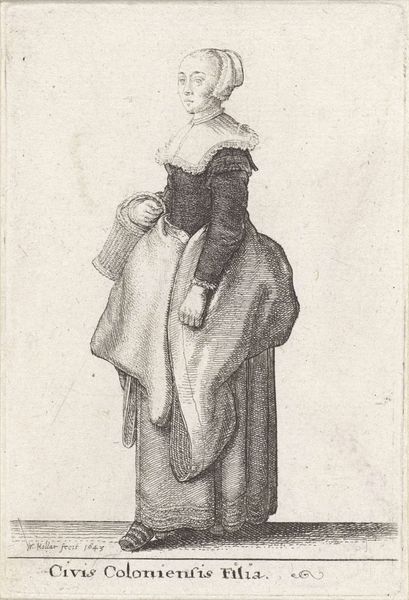
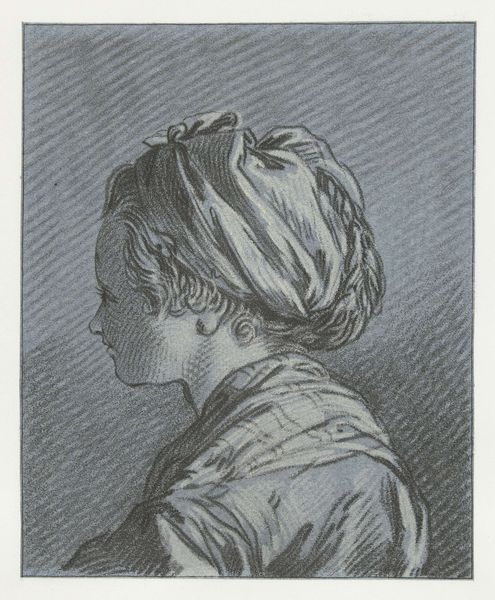
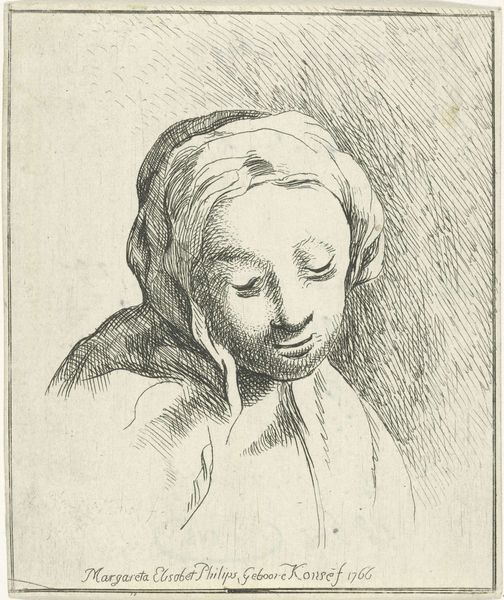
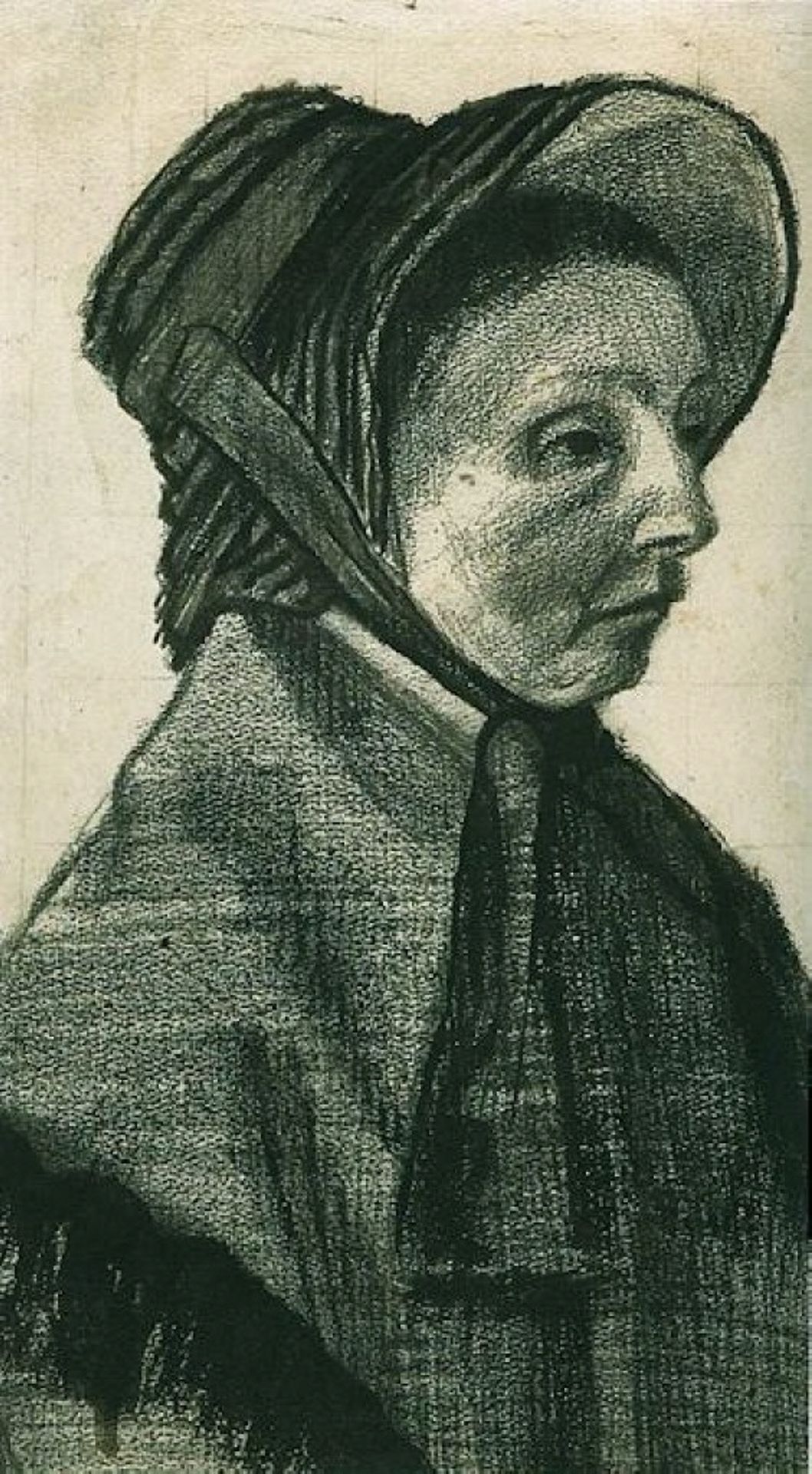
This study of a woman with a hat was created by Vincent van Gogh using black crayon or chalk, and paper. Van Gogh's choice of medium influences the artwork's appearance. Chalk is immediate and raw. It allowed him to rapidly capture the woman's features, and the texture of her clothing. Looking closely, you can see the density of the marks: dense hatching creating the dark tones of her hat and cloak, and lighter, smudged areas defining her face. The physical act of drawing becomes apparent. Considered by some to be the medium of skilled artisans and casual street artists, rather than academic painters, this artwork demonstrates Van Gogh's interest in the lives of everyday people. The marks on the paper reflect the labor and time invested in its creation, but also echo the hard work and toil in the sitter's own life. Ultimately, the choice of materials and making process contributes significantly to the emotional depth and social commentary that Van Gogh was aiming for, blurring the boundaries between fine art and craft.
Head of a Woman with Hat Facing Right
1882

Vincent van Gogh
1853 - 1890Location
Kunstmuseum Bern, Bern, SwitzerlandArtwork details
- Medium
- drawing, paper, charcoal
- Location
- Kunstmuseum Bern, Bern, Switzerland
- Copyright
- Public domain
Tags
portrait
drawing
charcoal drawing
figuration
paper
portrait drawing
charcoal
post-impressionism
Comments
Be the first to share your thoughts about this work.
About this artwork
This study of a woman with a hat was created by Vincent van Gogh using black crayon or chalk, and paper. Van Gogh's choice of medium influences the artwork's appearance. Chalk is immediate and raw. It allowed him to rapidly capture the woman's features, and the texture of her clothing. Looking closely, you can see the density of the marks: dense hatching creating the dark tones of her hat and cloak, and lighter, smudged areas defining her face. The physical act of drawing becomes apparent. Considered by some to be the medium of skilled artisans and casual street artists, rather than academic painters, this artwork demonstrates Van Gogh's interest in the lives of everyday people. The marks on the paper reflect the labor and time invested in its creation, but also echo the hard work and toil in the sitter's own life. Ultimately, the choice of materials and making process contributes significantly to the emotional depth and social commentary that Van Gogh was aiming for, blurring the boundaries between fine art and craft.
Comments
Be the first to share your thoughts about this work.