About this artwork
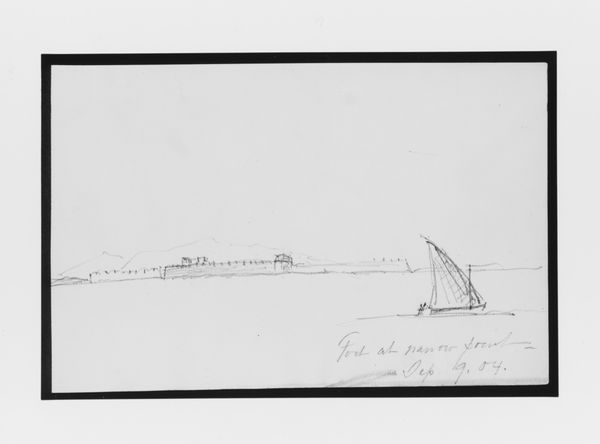
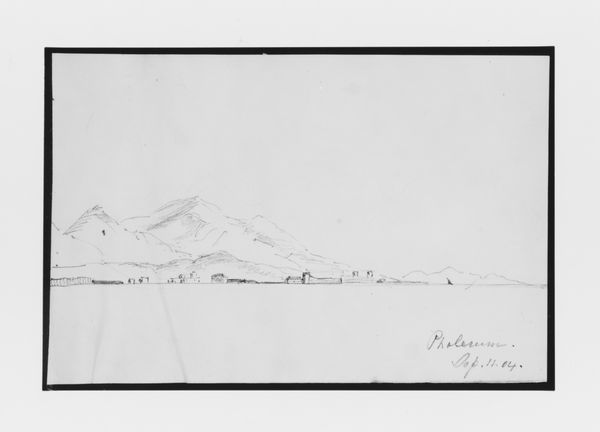
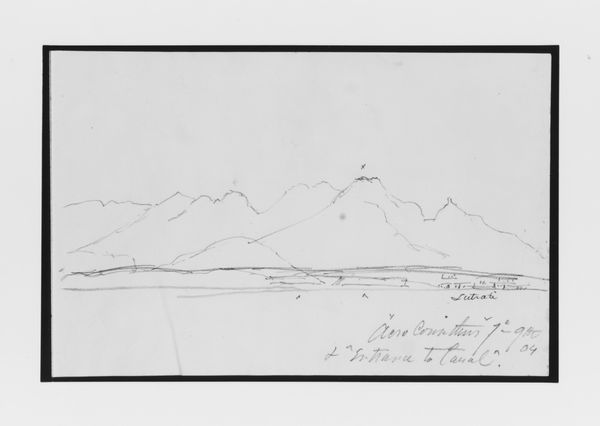
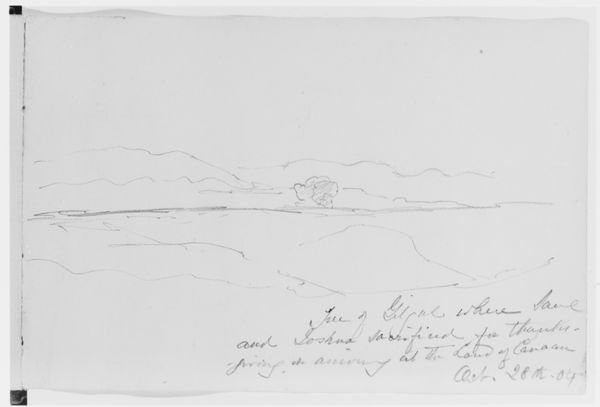
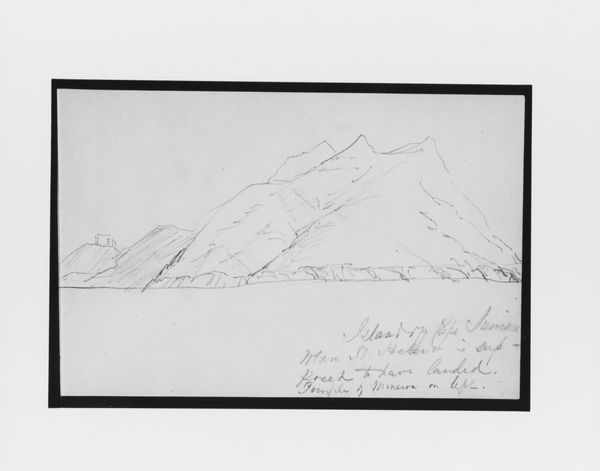
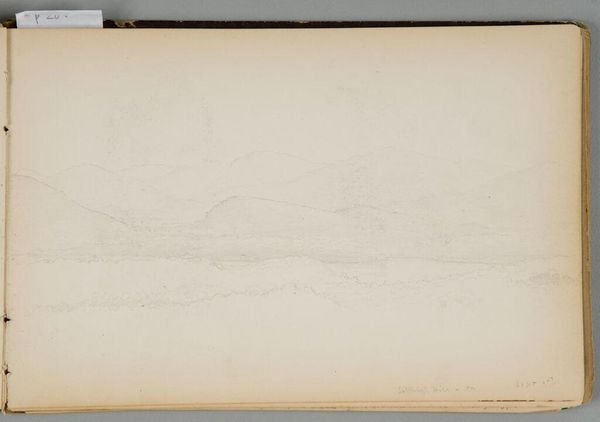
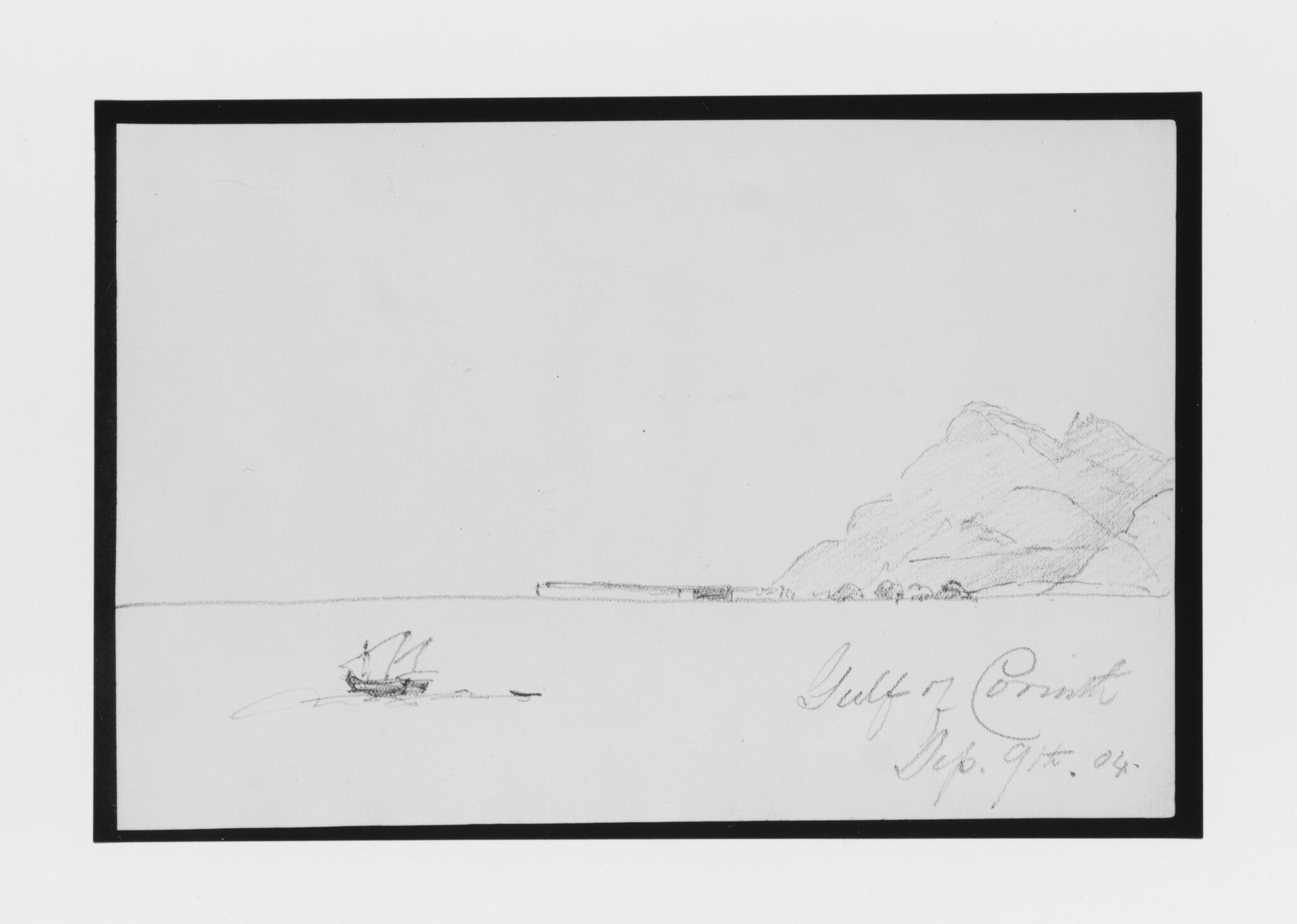
Mary Newbold Sargent made this graphite Gulf of Corinth in 1904, probably right there on the spot in a sketchbook. What strikes me about the drawing is the way it’s so understated. It’s as if she’s trying to capture not just what she sees, but also the feeling of being there, of observing this place. It’s very subtle, almost like a whisper, right? Look at the marks she makes to define the mountain on the right. It’s not about photographic accuracy, but about conveying a sense of form and texture through these light, almost scribbled lines. She gives you just enough information to complete the picture in your own mind. This reminds me a little of Agnes Martin’s work, in the sense that it's reduced to the bare essentials, but still manages to evoke a whole world. It’s a reminder that art doesn’t always have to shout to be heard. Sometimes, the quietest voices are the most powerful.
Gulf of Corinth (from Sketchbook)
1904

Mary Newbold Sargent
1826 - 1906
The Metropolitan Museum of Art
Metropolitan Museum of Art, New York, NYArtwork details
- Medium
- drawing, paper, pencil
- Dimensions
- 5 1/4 x 8 1/4 in. (13.3 x 21 cm)
- Location
- Metropolitan Museum of Art, New York, NY
- Copyright
- Public Domain
Tags
Comments
Share your thoughts
About this artwork
Mary Newbold Sargent made this graphite Gulf of Corinth in 1904, probably right there on the spot in a sketchbook. What strikes me about the drawing is the way it’s so understated. It’s as if she’s trying to capture not just what she sees, but also the feeling of being there, of observing this place. It’s very subtle, almost like a whisper, right? Look at the marks she makes to define the mountain on the right. It’s not about photographic accuracy, but about conveying a sense of form and texture through these light, almost scribbled lines. She gives you just enough information to complete the picture in your own mind. This reminds me a little of Agnes Martin’s work, in the sense that it's reduced to the bare essentials, but still manages to evoke a whole world. It’s a reminder that art doesn’t always have to shout to be heard. Sometimes, the quietest voices are the most powerful.
Comments
Share your thoughts