1615
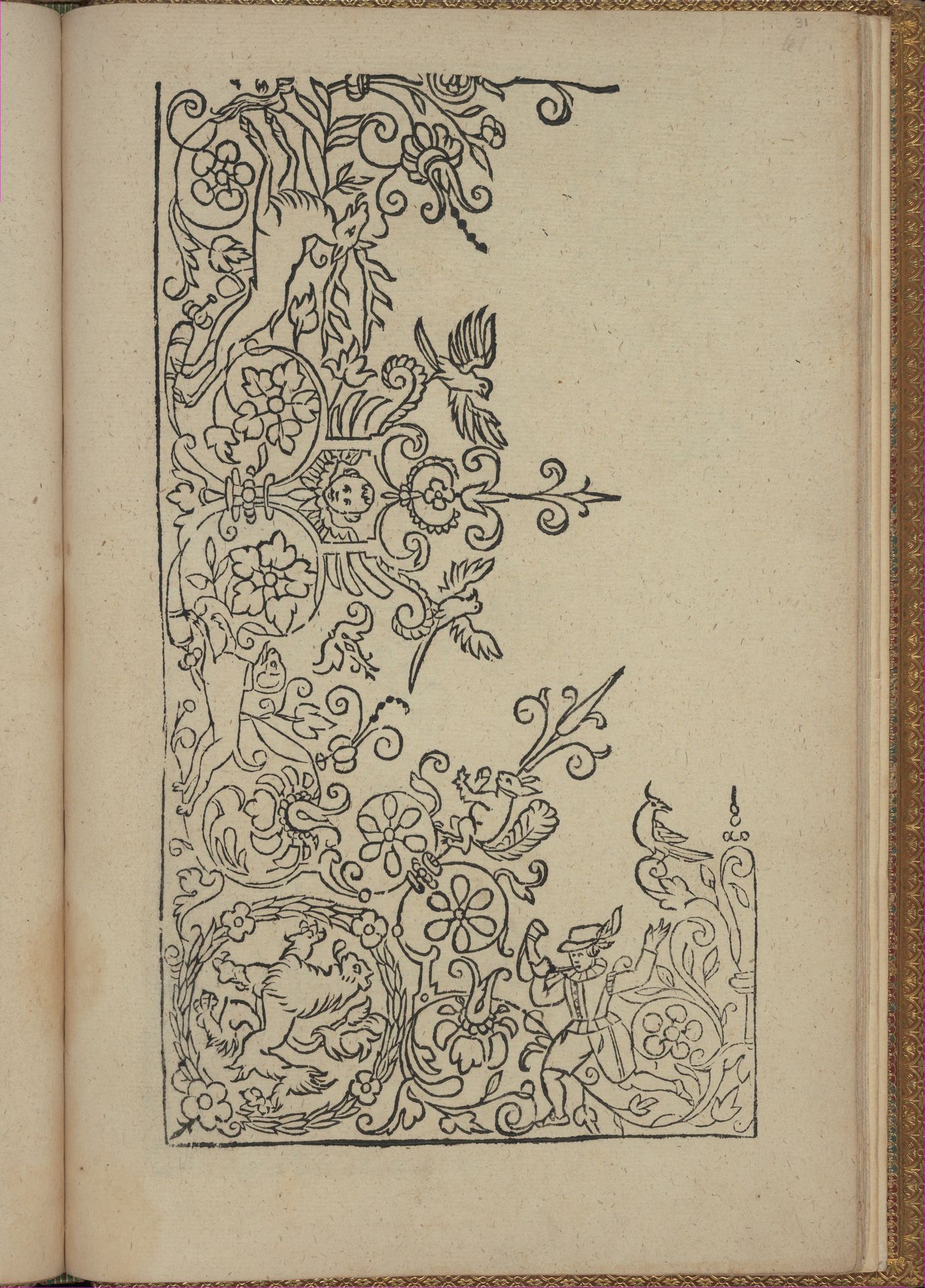
New Modelbüch (Page 31r)

Andreas Bretschneider
1573 - 1645
The Metropolitan Museum of Art
Metropolitan Museum of Art, New York, NYListen to curator's interpretation
Curatorial notes
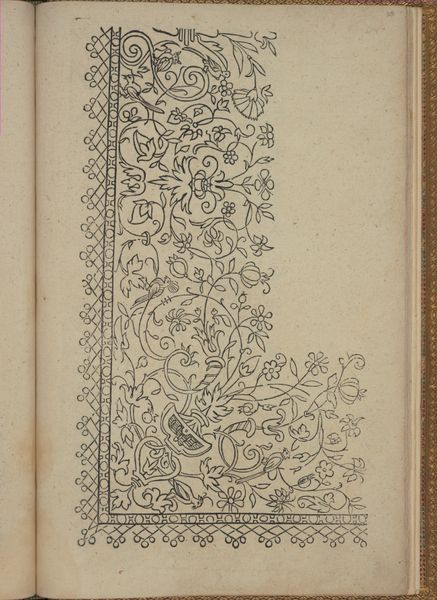
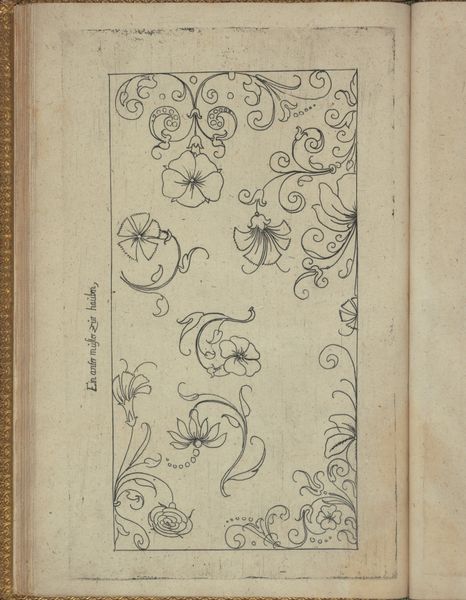
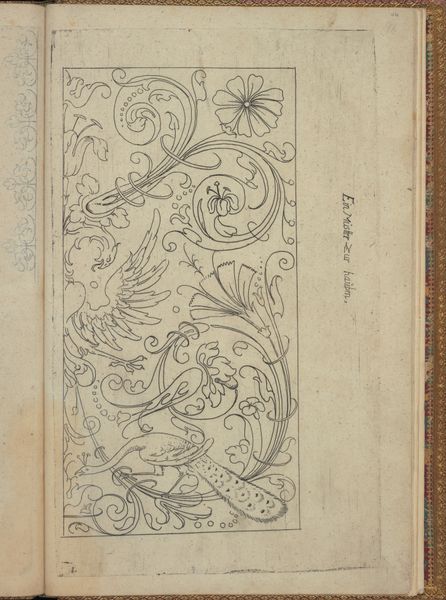
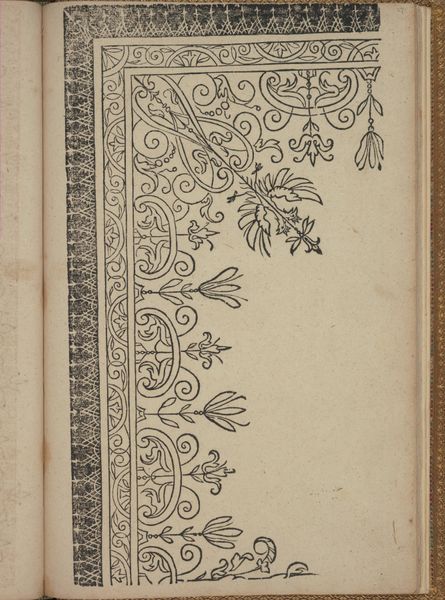
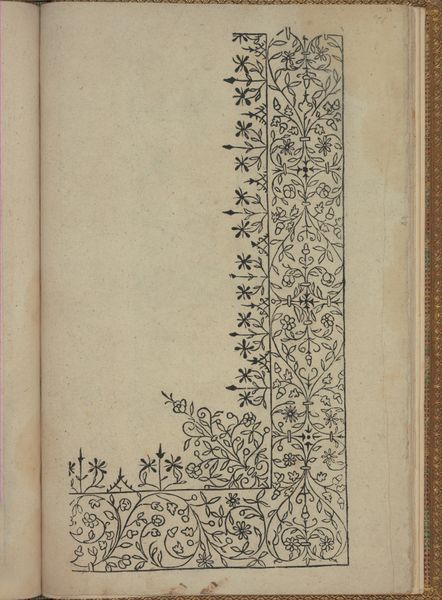
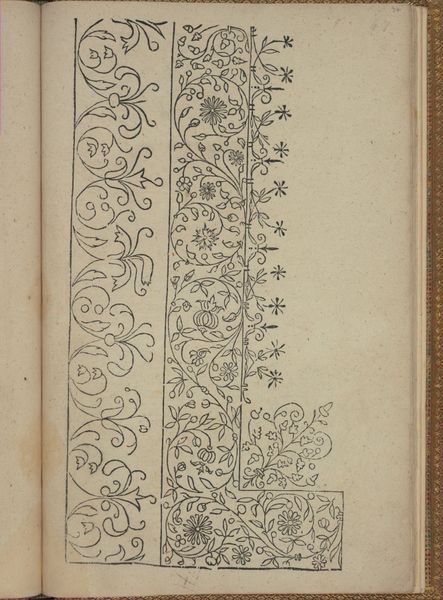
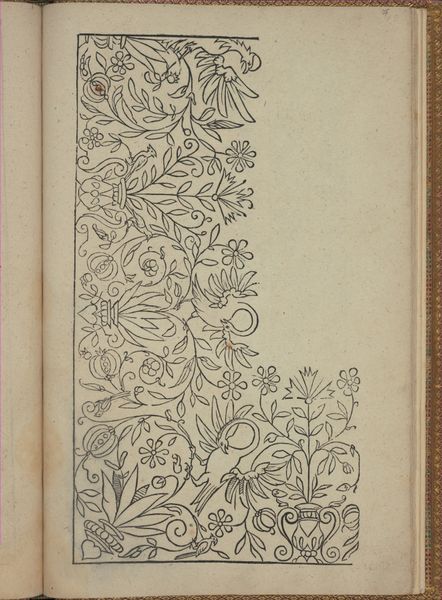
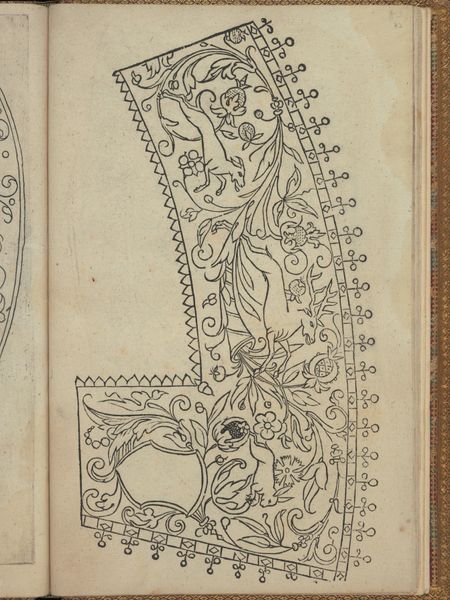
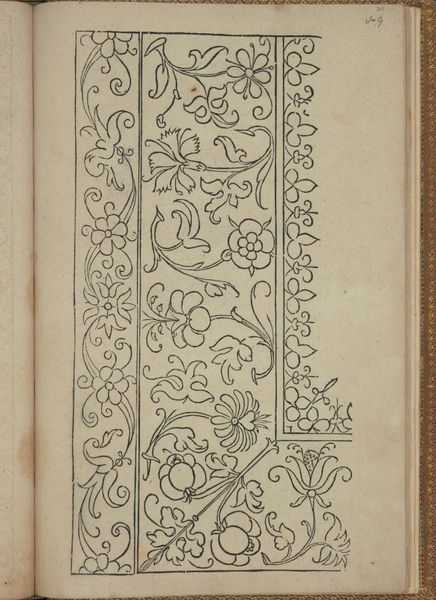
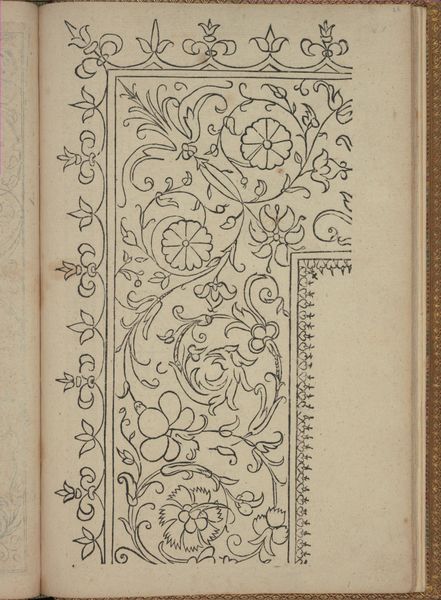
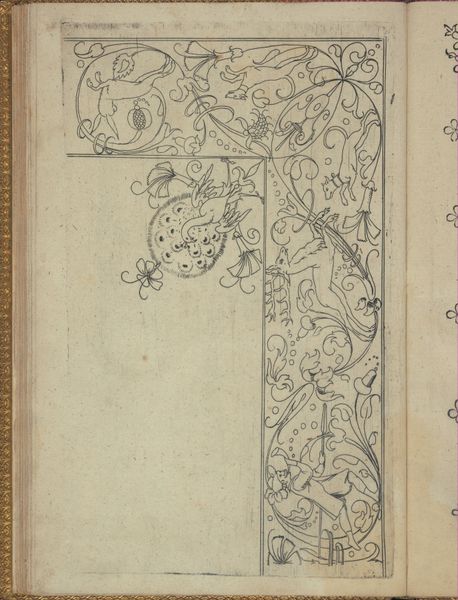
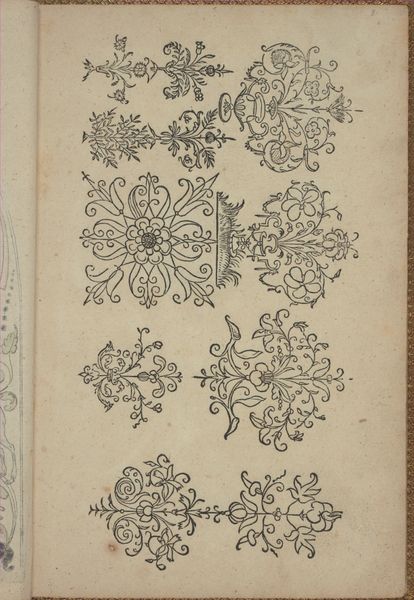
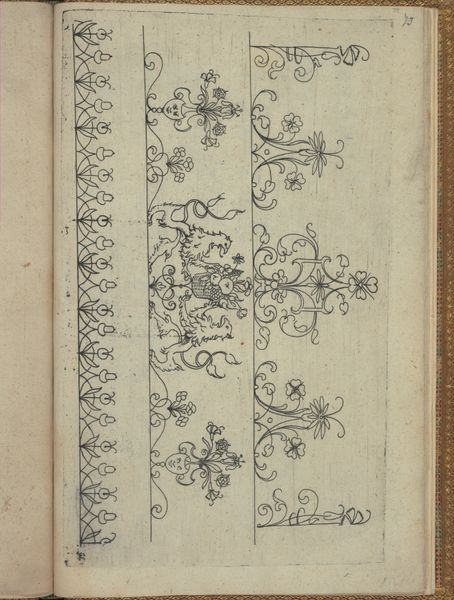
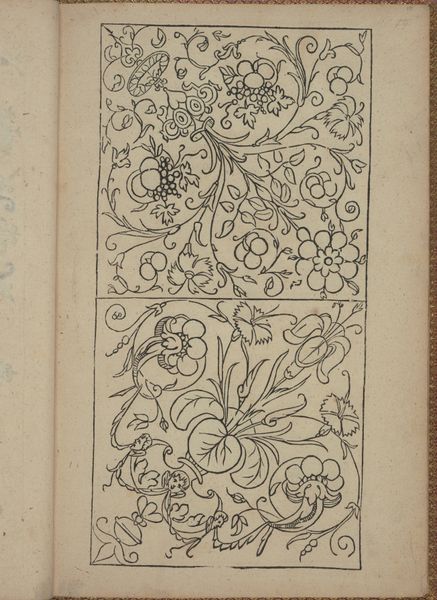
This is page 31r from the "New Modelbüch," a book of embroidery patterns by Andreas Bretschneider, created around the late 16th to early 17th century using woodcut printmaking. The page is filled with an array of densely packed, stylized flora and fauna, constructed from thin, crisp lines against the off-white of the paper. Note how the composition adheres to a distinct vertical structure on the left, giving way to scattered motifs to the right. The linearity allows for negative space, enhancing the visual texture. The structural use of pattern books served as both inspiration and a form of instruction. Bretschneider's arrangement of natural forms, alongside human figures, speaks to the prevailing interest in the natural world during the Renaissance and early Baroque periods. The patterns function almost like a visual language, each motif a signifier within a broader cultural code of craftsmanship and design. Consider how the interplay of positive and negative space, line, and form constructs a pattern that invites not just aesthetic appreciation but also acts as a template for skilled labor. The book as a whole destabilizes the line between art and utility, challenging fixed ideas about creativity.