1832
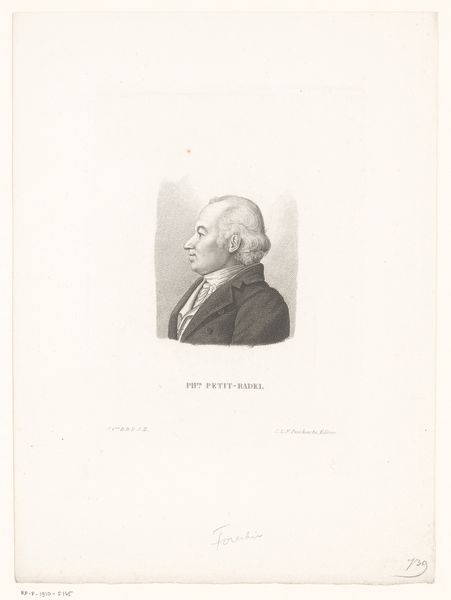
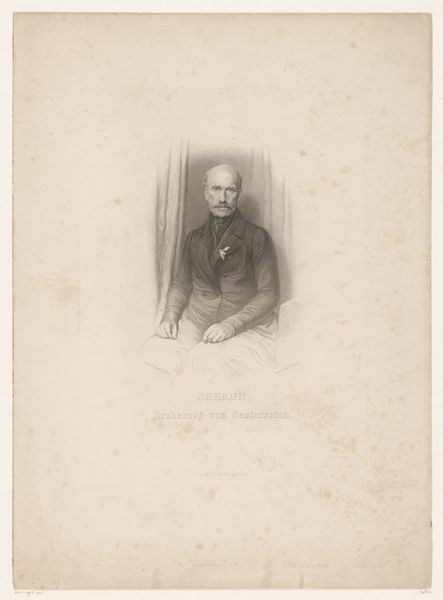
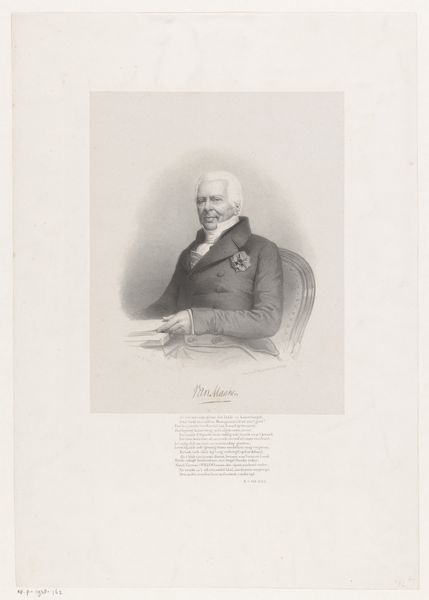
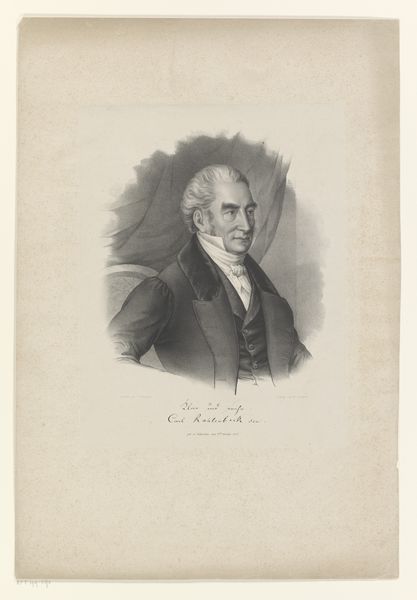
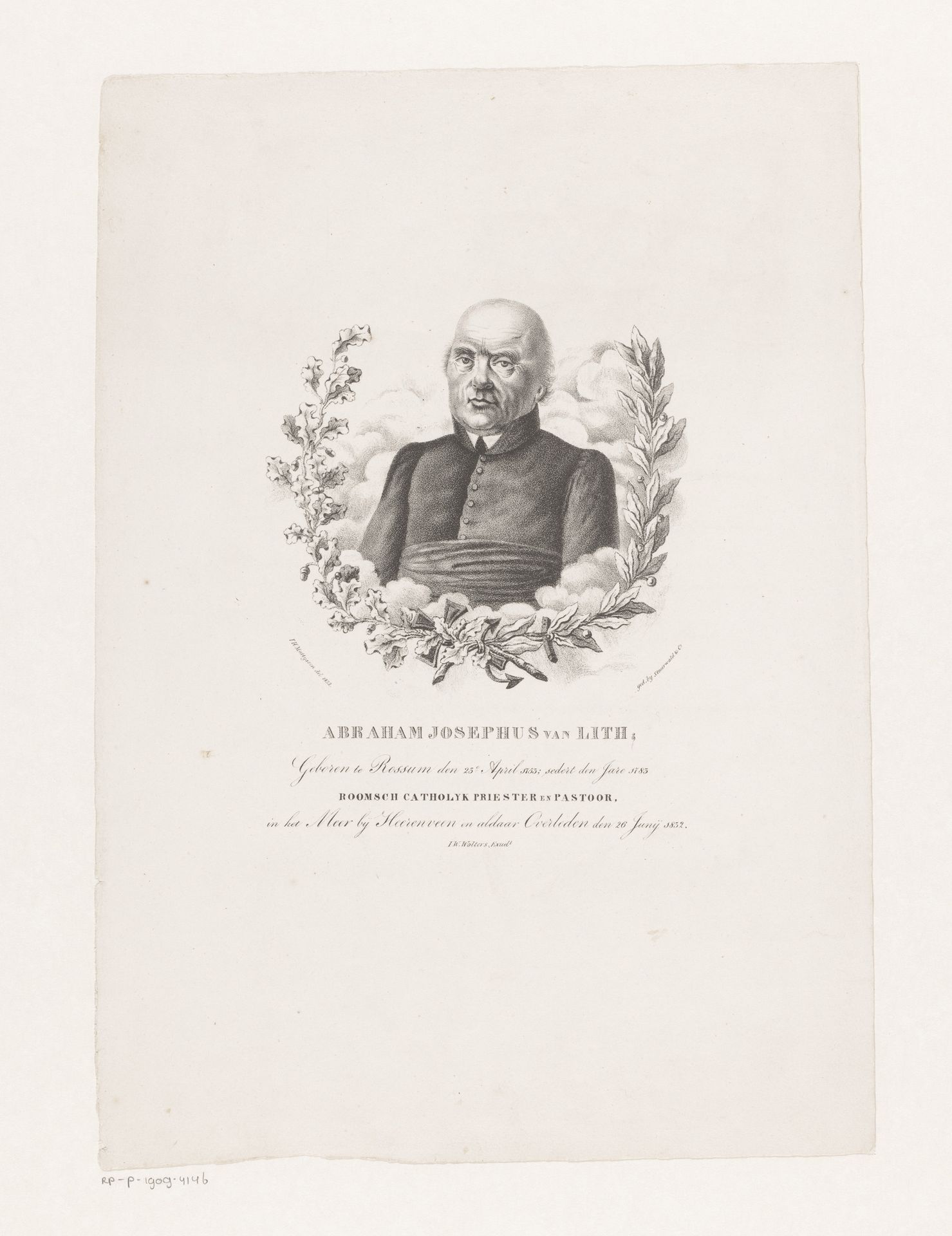
Portret van Abraham Josephus van Lith

Listen to curator's interpretation
Curatorial notes
Jan Hendrik Matthijssen made this portrait of Abraham Josephus van Lith using the technique of etching. The image’s appearance hinges on the linear quality of the etched line, which creates delicate gradations of tone and texture. Etching is an indirect process. The artist would have covered a metal plate with a waxy ground, then scratched an image into this coating, exposing the metal beneath. The plate would then be submerged in acid, which bites into the exposed lines. Finally, the plate is inked and printed onto paper. This particular method allowed for relatively quick and easy reproduction, so it's no surprise that this portrait commemorates an important local figure. In contrast to a unique work of art, like a painting or sculpture, an etching speaks to the democratizing potential of printmaking. It brings the image to a wider audience, embedding it in the social fabric of its time. So, by considering how this print was made, we recognize its cultural significance.