About this artwork
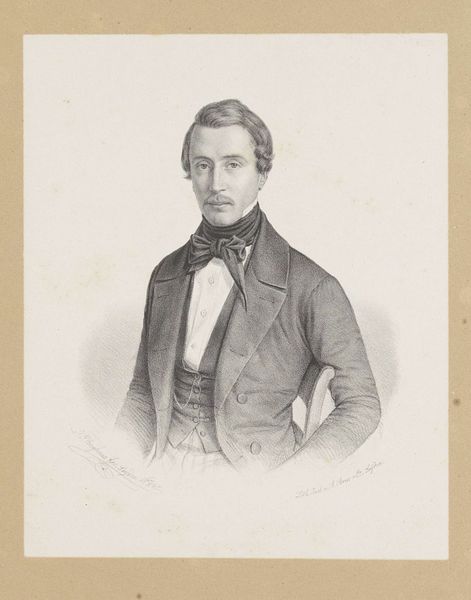
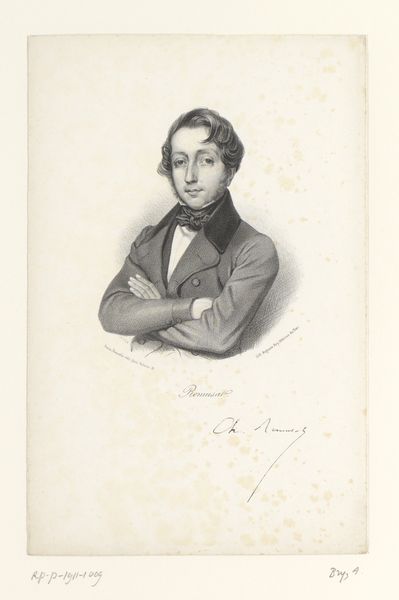
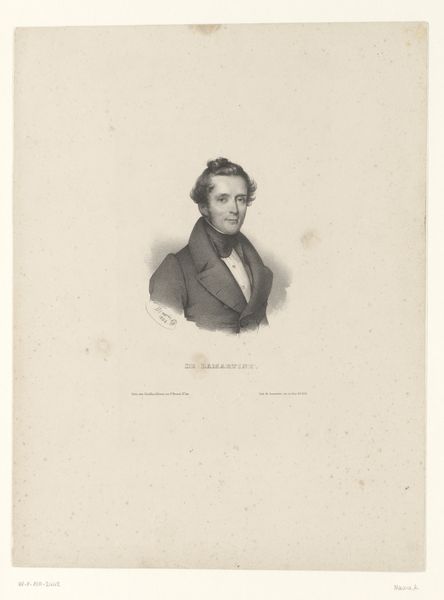
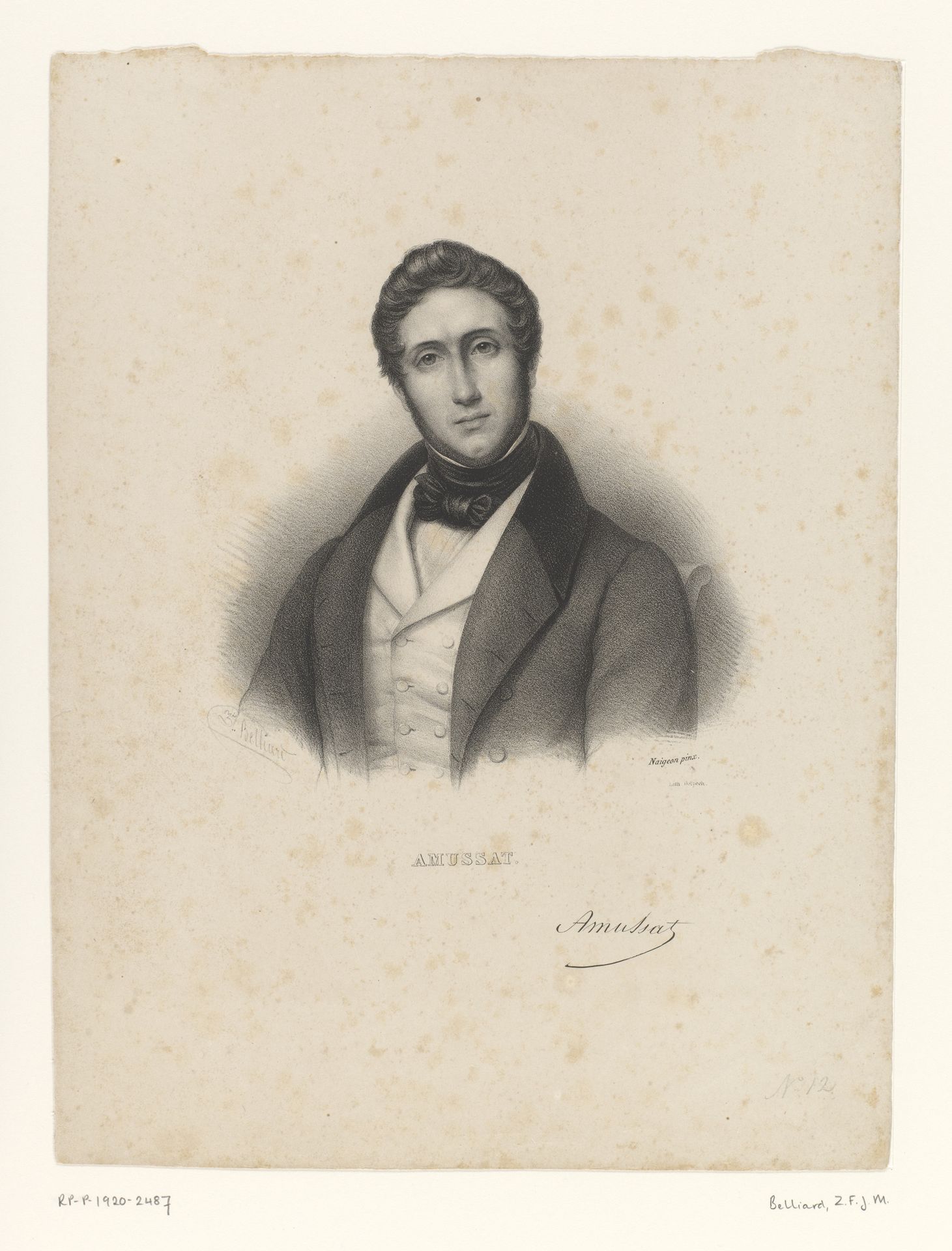
This is a print of Jean Zuléma Amussat by Zéphirin Belliard. Without a specific date, we might consider this portrait through the lens of 19th-century institutions of science and medicine. In France during this period, medicine was undergoing rapid professionalization. The rise of the clinic, medical journals, and public health initiatives created a culture of scrutiny and accountability. A portrait like this one speaks to the subject's status within this evolving field. How does the image create meaning? Amussat is shown in formal attire, a visual signifier of his professional standing. The print medium also implies a certain accessibility, as prints were more easily reproduced and distributed than paintings. Was this image intended for a medical publication, or perhaps for display in a hospital or clinic? To truly understand its place in history, we might consult medical archives, biographical records, and studies of the medical profession in 19th-century France. This reveals how art becomes meaningful within specific social and institutional contexts.
Portret van de chirurg en uroloog Jean Zuléma Amussat
1825 - 1842

Artwork details
- Medium
- drawing, pencil
- Dimensions
- height 360 mm, width 274 mm
- Copyright
- Rijks Museum: Open Domain
Tags
Comments
Share your thoughts
About this artwork
This is a print of Jean Zuléma Amussat by Zéphirin Belliard. Without a specific date, we might consider this portrait through the lens of 19th-century institutions of science and medicine. In France during this period, medicine was undergoing rapid professionalization. The rise of the clinic, medical journals, and public health initiatives created a culture of scrutiny and accountability. A portrait like this one speaks to the subject's status within this evolving field. How does the image create meaning? Amussat is shown in formal attire, a visual signifier of his professional standing. The print medium also implies a certain accessibility, as prints were more easily reproduced and distributed than paintings. Was this image intended for a medical publication, or perhaps for display in a hospital or clinic? To truly understand its place in history, we might consult medical archives, biographical records, and studies of the medical profession in 19th-century France. This reveals how art becomes meaningful within specific social and institutional contexts.
Comments
Share your thoughts