About this artwork
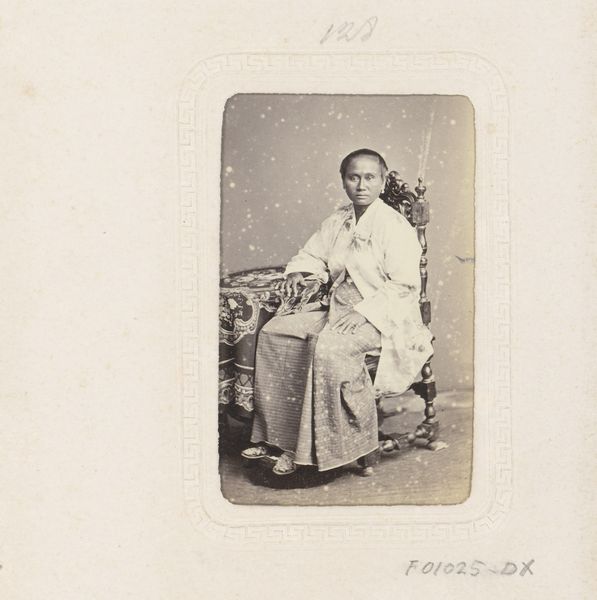
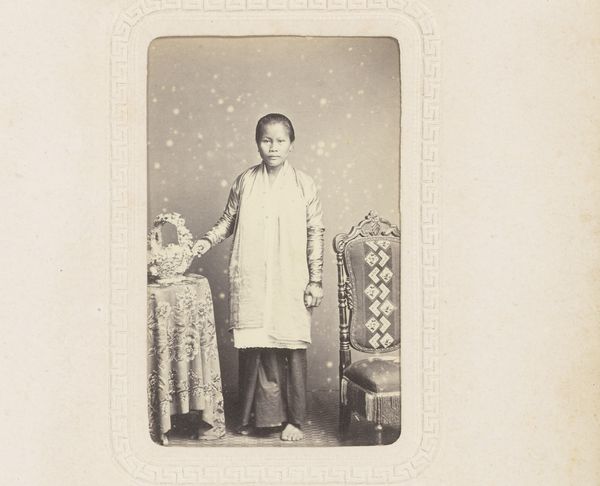
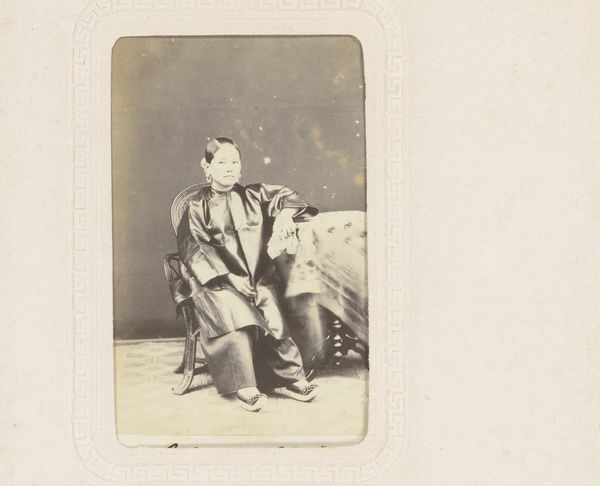
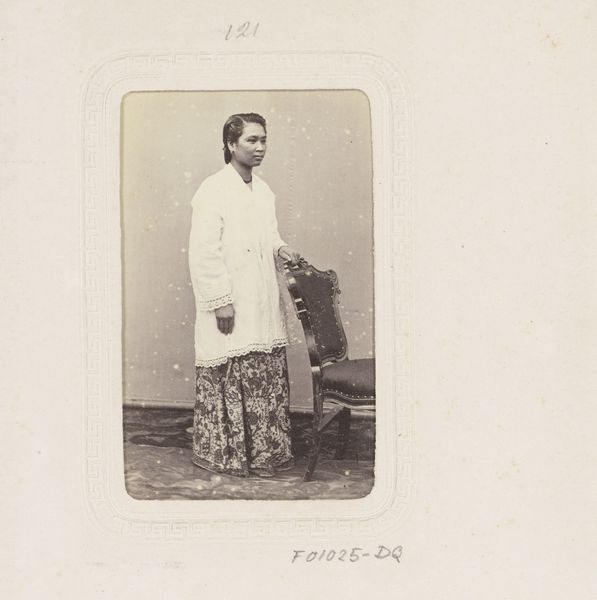
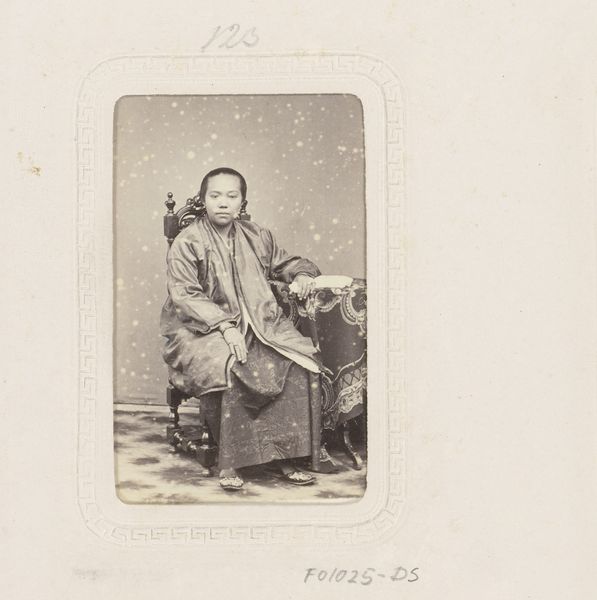
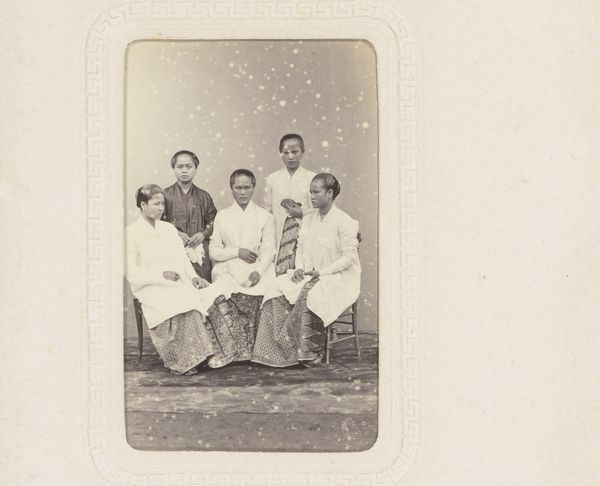
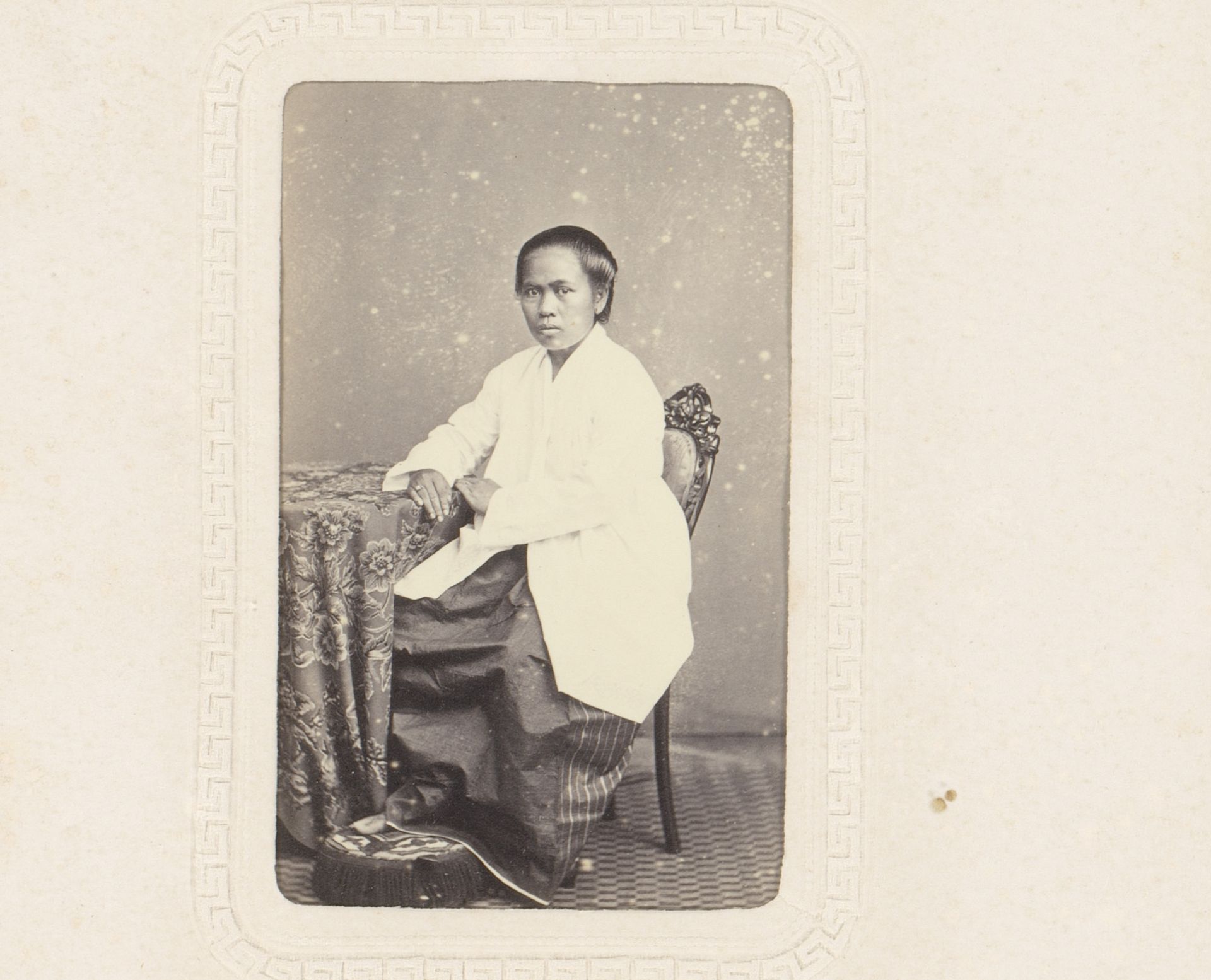
Woodbury & Page created this albumen print of an Indonesian woman sometime in the 19th century. The portrait, now held in the Rijksmuseum, offers a glimpse into the complex social dynamics of colonial Indonesia. During the 19th century, photography studios like Woodbury & Page flourished in the Dutch East Indies. They catered to a European clientele eager to document their lives abroad, as well as local elites keen to adopt Western visual culture. This image, with its formal composition and studio setting, speaks to the growing influence of European aesthetics on Indonesian society. The sitter’s traditional dress, juxtaposed with the Western-style chair, highlights the negotiation of identity in a colonial context. Was this woman part of the Indonesian aristocracy, eager to display her status through a modern medium? Or was she simply a subject, her image captured and circulated by foreign photographers for European consumption? To understand this photograph fully, historians can turn to archives, colonial records, and studies of visual culture. These can help us uncover the stories behind the image and the complex power dynamics at play.
Portret van een Indonesische vrouw 1857 - 1880

Woodbury & Page
@woodburypageLocation
RijksmuseumArtwork details
- Medium
- photography
- Dimensions
- height 85 mm, height 52 mm
- Location
- Rijksmuseum
- Copyright
- Rijks Museum: Open Domain
Tags
portrait
16_19th-century
indigenism
archive photography
photography
historical photography
19th century
Comments
No comments
About this artwork
Woodbury & Page created this albumen print of an Indonesian woman sometime in the 19th century. The portrait, now held in the Rijksmuseum, offers a glimpse into the complex social dynamics of colonial Indonesia. During the 19th century, photography studios like Woodbury & Page flourished in the Dutch East Indies. They catered to a European clientele eager to document their lives abroad, as well as local elites keen to adopt Western visual culture. This image, with its formal composition and studio setting, speaks to the growing influence of European aesthetics on Indonesian society. The sitter’s traditional dress, juxtaposed with the Western-style chair, highlights the negotiation of identity in a colonial context. Was this woman part of the Indonesian aristocracy, eager to display her status through a modern medium? Or was she simply a subject, her image captured and circulated by foreign photographers for European consumption? To understand this photograph fully, historians can turn to archives, colonial records, and studies of visual culture. These can help us uncover the stories behind the image and the complex power dynamics at play.
Comments
No comments