
Curatorial notes
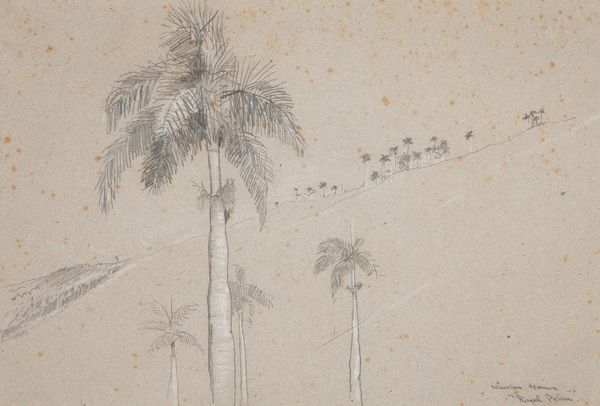
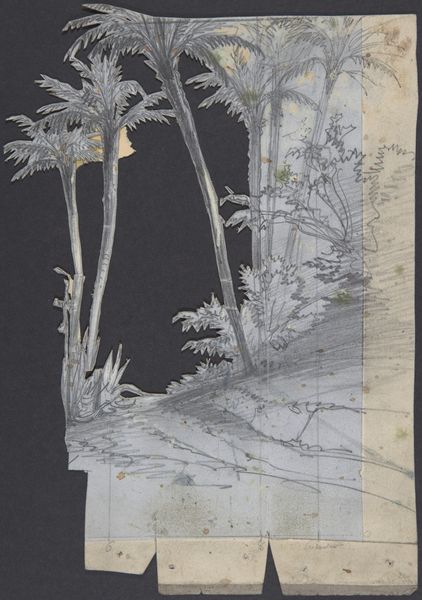
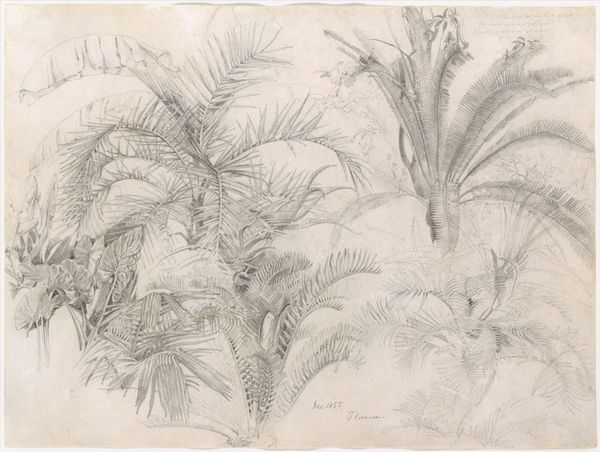
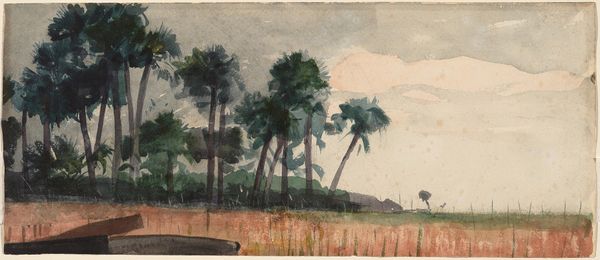
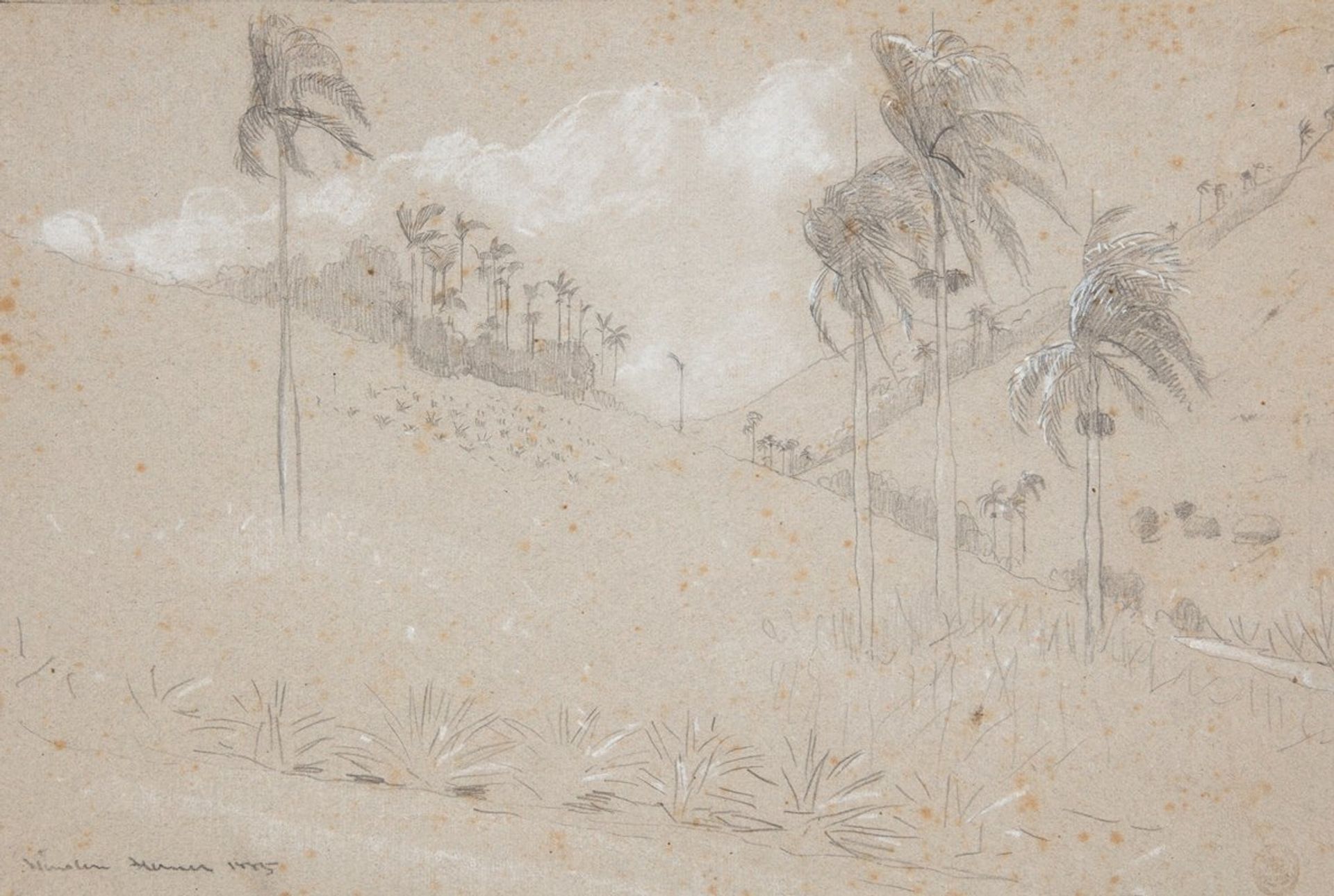
Winslow Homer made this drawing of a Cuban hillside in 1885, using graphite on paper. It's a study, really, a quick impression rendered in a readily available material. While the scene itself seems idyllic, we should also consider the social and economic context of Cuba in the late 19th century. The island was then a Spanish colony, its economy largely based on sugar plantations. These plantations relied heavily on enslaved labor until slavery was finally abolished in 1886. Homer's choice of a humble graphite pencil is interesting in this light. It's a far cry from the grand oil paintings that were considered high art at the time. The simplicity of the medium, and the ease with which it allows for capturing a scene, might even be seen as a democratic gesture, a way of connecting with the everyday reality of the Cuban landscape and its people. It reminds us that art doesn't always need to be monumental to be meaningful.