About this artwork
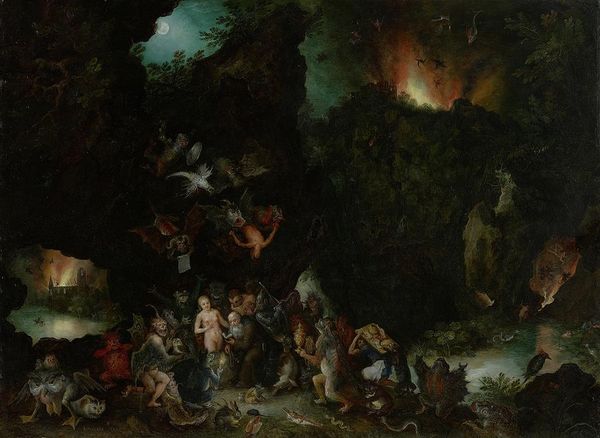
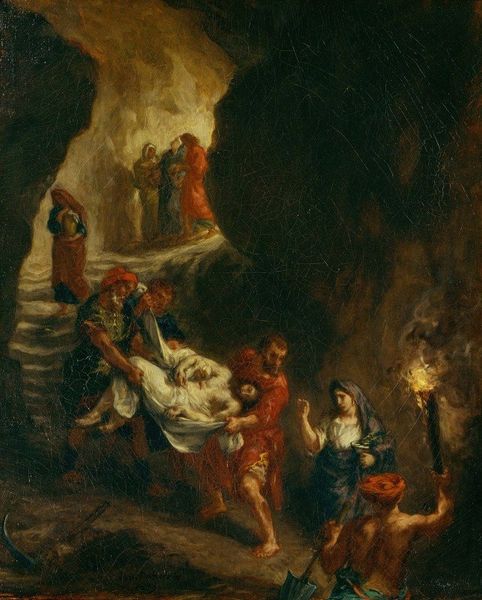
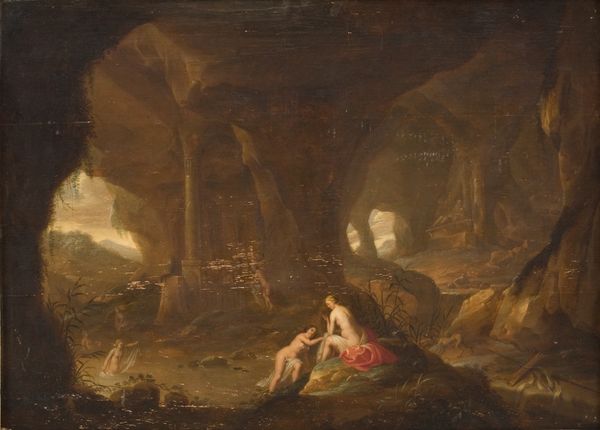
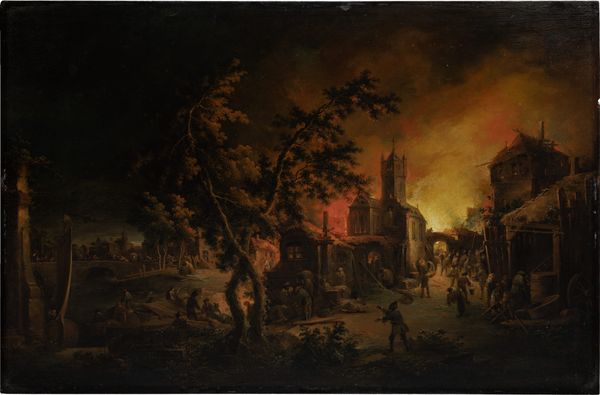
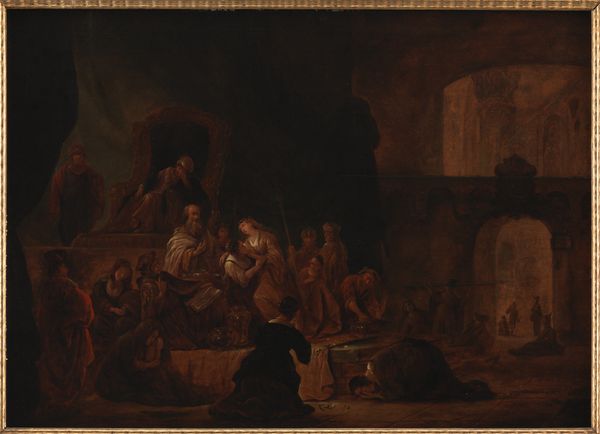
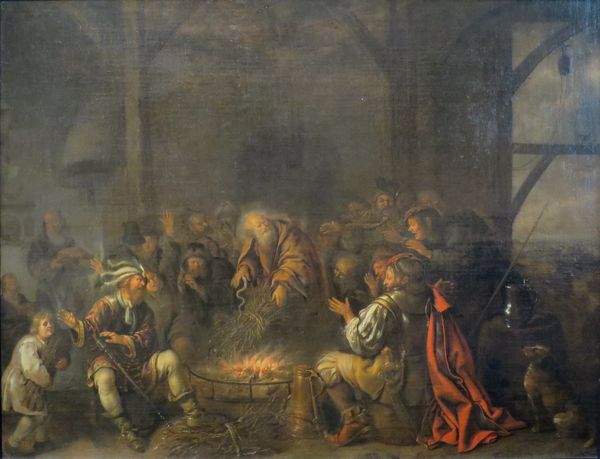
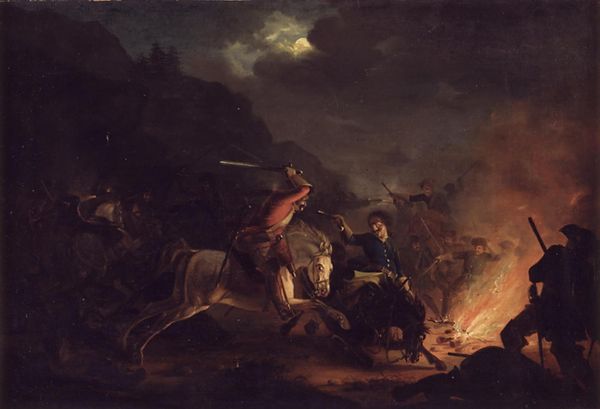
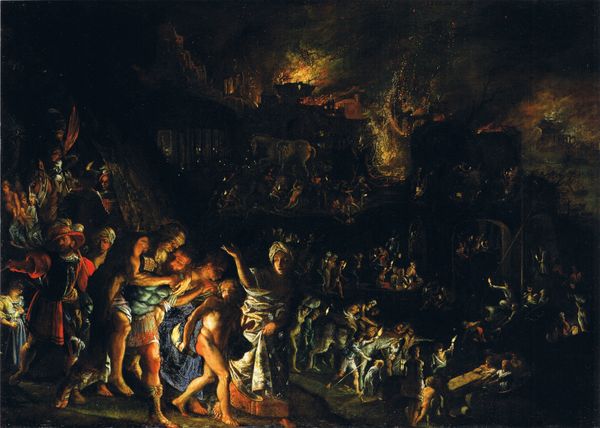
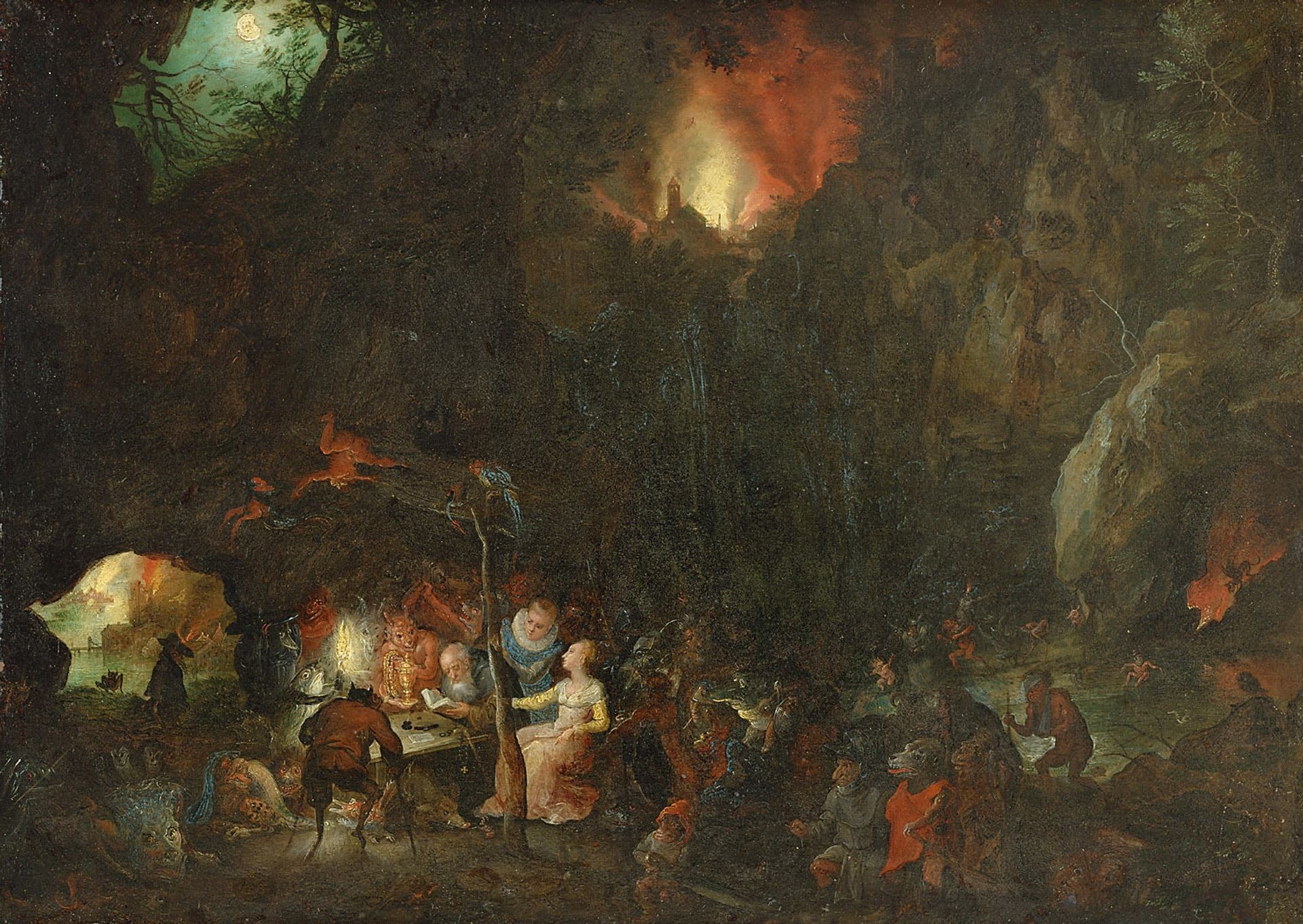
Jan Brueghel the Elder painted this "Temptation of St Anthony" with oil on panel. The painting immerses us in a world of darkness pierced by flickering light. Brueghel uses light to define form and space, highlighting the figures of St. Anthony and his tormentors. Notice how the composition draws the eye from the periphery into the central gathering, a locus of moral and spiritual conflict. The contrast between the cool moonlight and the hellish fire symbolizes the dichotomy of salvation and damnation. The artist's precise brushstrokes render the textures of skin, fabric, and monstrous forms with equal attention. This challenges fixed meanings and representation by blending religious narrative with genre painting. The formal structure of the painting, with its play of light and shadow, ultimately underscores the tension between earthly temptation and divine virtue. Art doesn't have a singular meaning, but is a site of ongoing interpretation.

Artwork details
- Medium
- painting, oil-paint
- Copyright
- Public domain
Tags
allegory
narrative-art
baroque
painting
oil-paint
landscape
figuration
oil painting
genre-painting
history-painting
Comments
Be the first to share your thoughts about this work.
About this artwork
Jan Brueghel the Elder painted this "Temptation of St Anthony" with oil on panel. The painting immerses us in a world of darkness pierced by flickering light. Brueghel uses light to define form and space, highlighting the figures of St. Anthony and his tormentors. Notice how the composition draws the eye from the periphery into the central gathering, a locus of moral and spiritual conflict. The contrast between the cool moonlight and the hellish fire symbolizes the dichotomy of salvation and damnation. The artist's precise brushstrokes render the textures of skin, fabric, and monstrous forms with equal attention. This challenges fixed meanings and representation by blending religious narrative with genre painting. The formal structure of the painting, with its play of light and shadow, ultimately underscores the tension between earthly temptation and divine virtue. Art doesn't have a singular meaning, but is a site of ongoing interpretation.
Comments
Be the first to share your thoughts about this work.