About this artwork
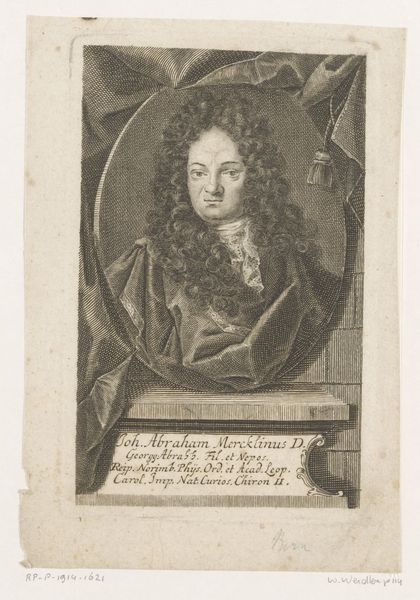
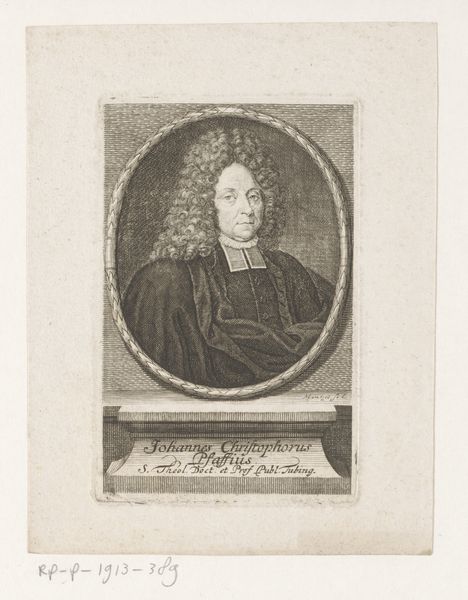
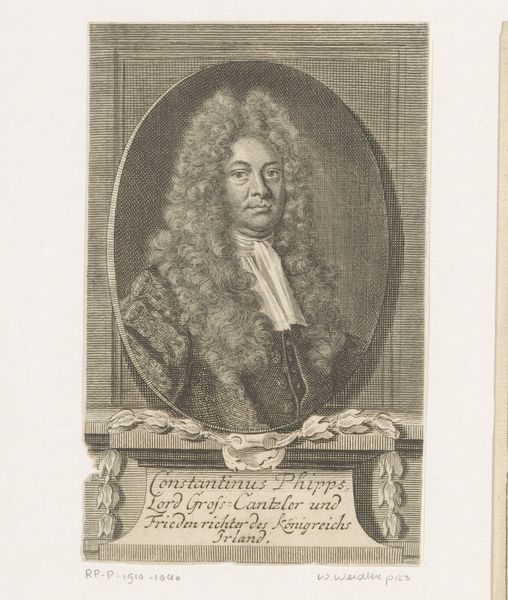
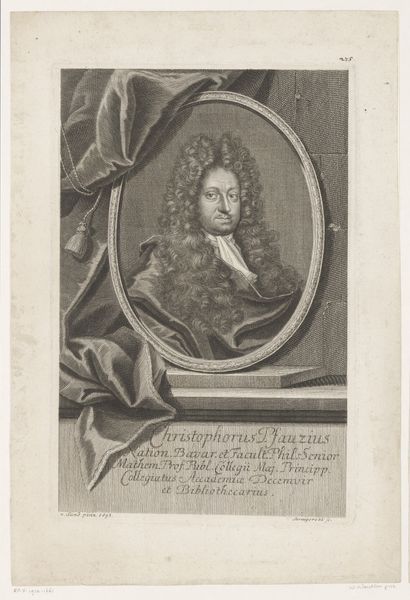
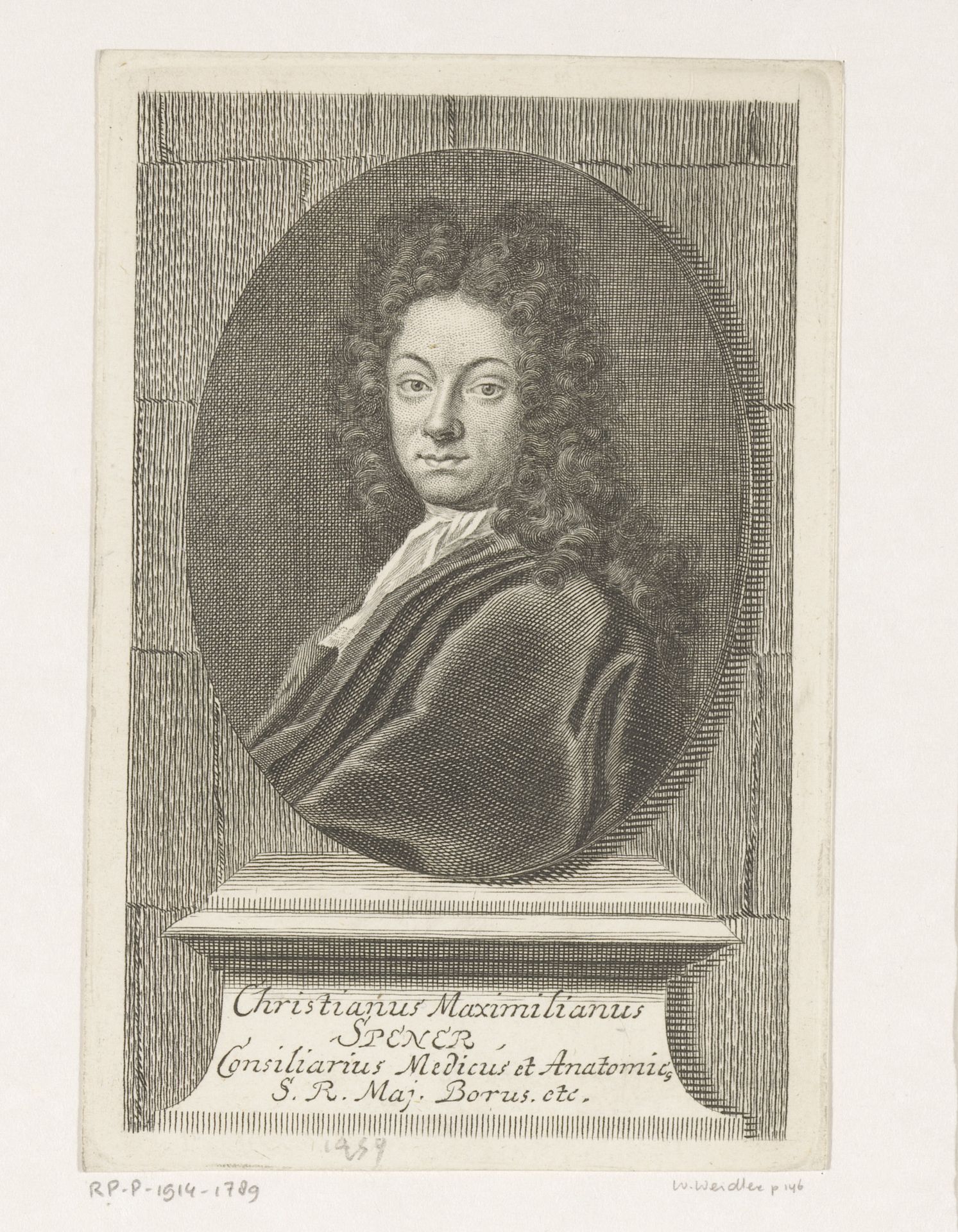
Martin Bernigeroth created this print of Christian Maximilian Spener in the late 17th or early 18th century. At that time, the printing press was well established, and this etching would have allowed for relatively inexpensive duplication, producing multiple copies of Spener's likeness. But who was Spener, and why memorialize him this way? The inscription tells us he was a physician and anatomist, as well as a counselor to the King of Prussia. This image, therefore, testifies to the social and political importance of science and medicine in the Prussian court. The formal trappings of the portrait, such as the oval frame and the stone plinth on which the inscription sits, signal that this is a man of consequence. By studying the printmaking trade and court records, we can better understand how this image participated in the political and intellectual culture of its day.
Portret van Christian Maximilian Spener 1714

Martin Bernigeroth
1670 - 1733Location
RijksmuseumArtwork details
- Medium
- print, engraving
- Dimensions
- height 148 mm, width 98 mm
- Location
- Rijksmuseum
- Copyright
- Rijks Museum: Open Domain
Tags
portrait
baroque
engraving
realism
Comments
No comments
About this artwork
Martin Bernigeroth created this print of Christian Maximilian Spener in the late 17th or early 18th century. At that time, the printing press was well established, and this etching would have allowed for relatively inexpensive duplication, producing multiple copies of Spener's likeness. But who was Spener, and why memorialize him this way? The inscription tells us he was a physician and anatomist, as well as a counselor to the King of Prussia. This image, therefore, testifies to the social and political importance of science and medicine in the Prussian court. The formal trappings of the portrait, such as the oval frame and the stone plinth on which the inscription sits, signal that this is a man of consequence. By studying the printmaking trade and court records, we can better understand how this image participated in the political and intellectual culture of its day.
Comments
No comments