About this artwork
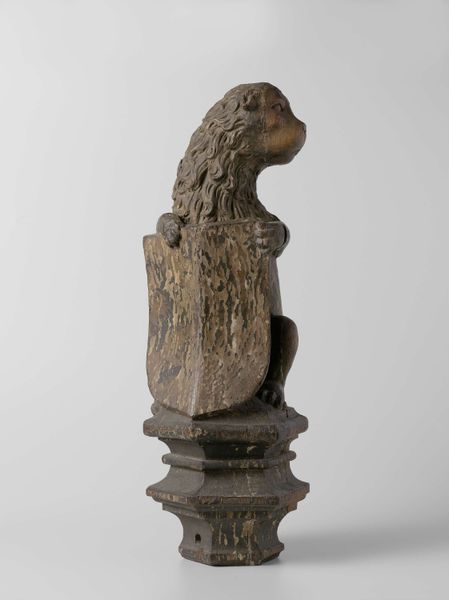
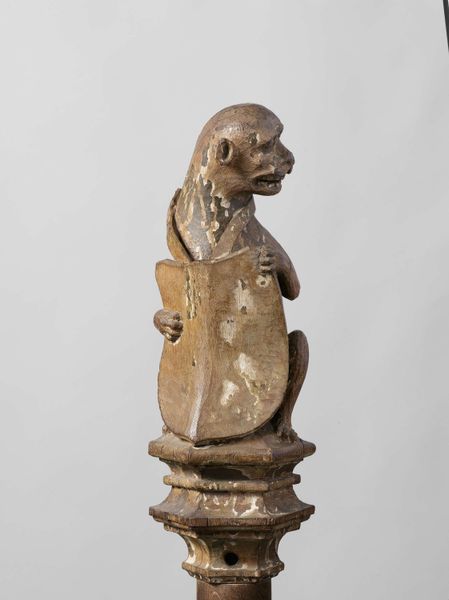
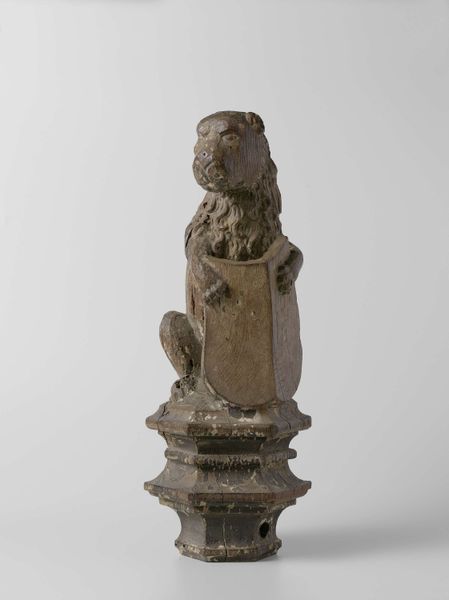
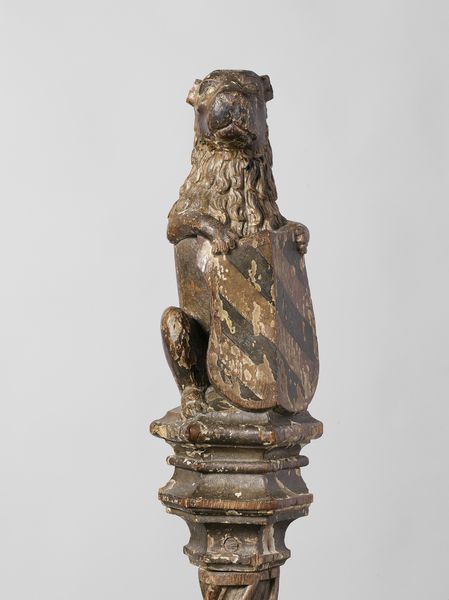
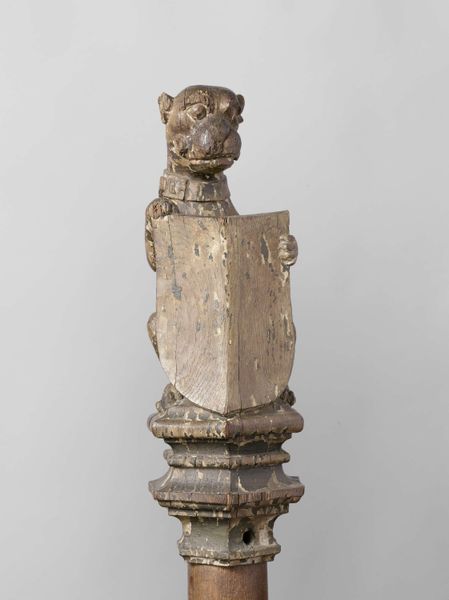
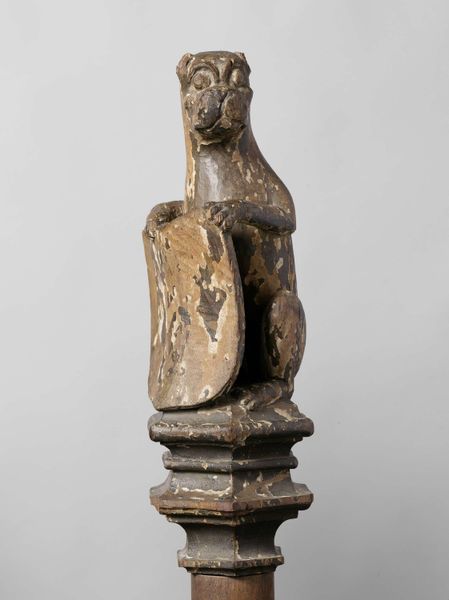
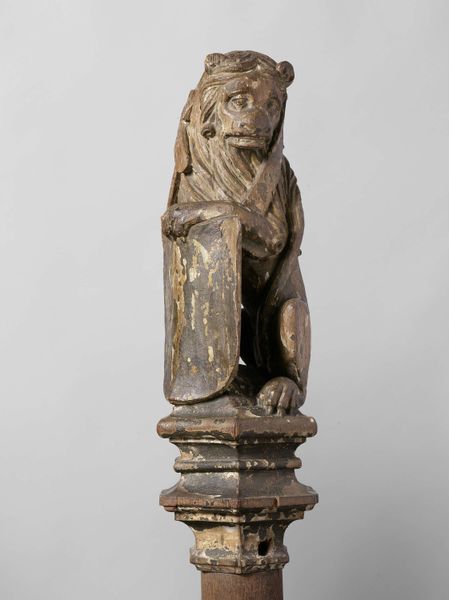
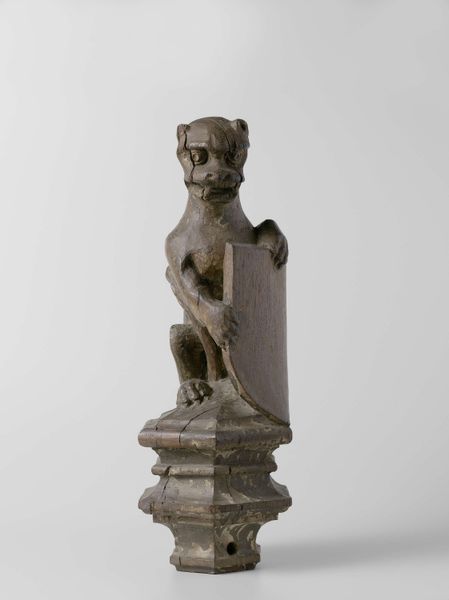
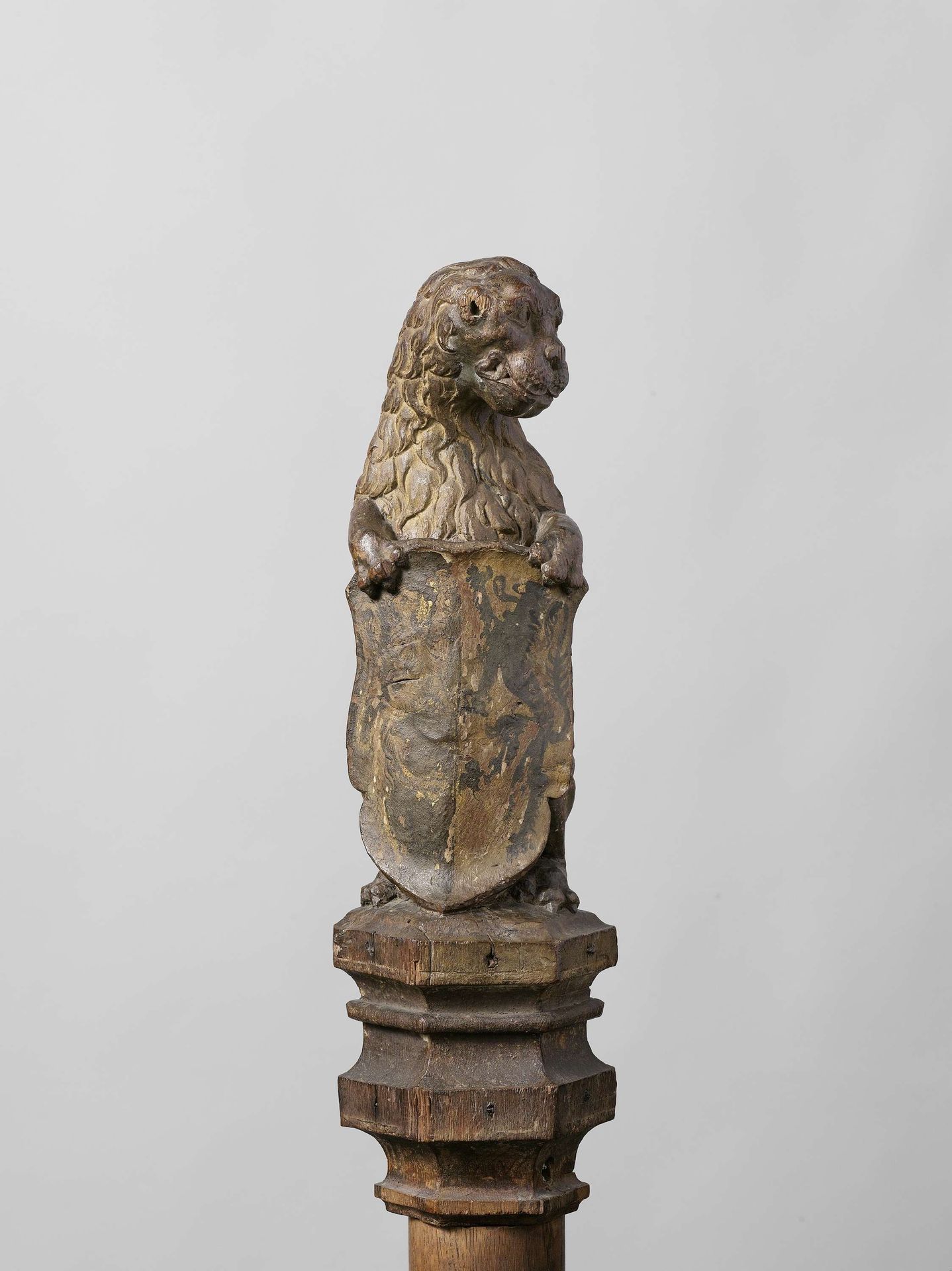
This impressive wooden sculpture of a lion supporting an escutcheon was likely made by Joost Janszoon. It would have been carved from a single piece of wood using chisels and gouges, tools familiar to any woodworker of the period. The lion’s stance, the details of its mane, and the escutcheon it holds, all speak to the symbolism of power and heraldry. But it’s the material, wood, and the process of carving that give it a distinct character. The textures created by the carving tools, the weight of the wood itself, and the way it has aged, all contribute to the sculpture's unique presence. The labor involved in producing such a piece shouldn't be overlooked. Carving of this kind requires a high degree of skill and patience, reflecting a long tradition of craftsmanship that elevates the material to a powerful form. The transformation from raw material to symbolic object is a testament to the value of skilled work.
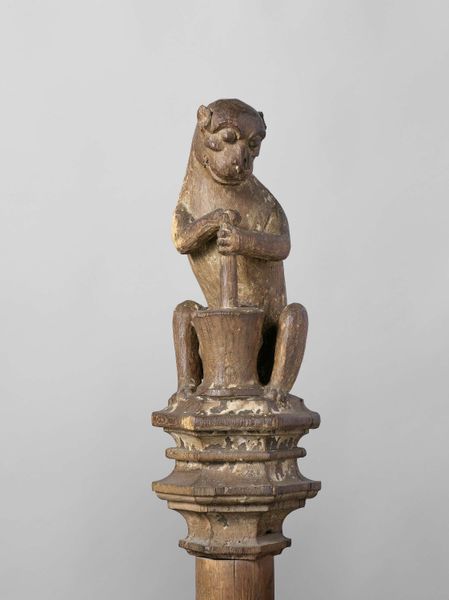
Lion Supporting an Escutcheon, from the Top of a Balustrade or the Backrest of the Stadholder’s Chair in the Rolzaal in the Hof van Holland, The Hague 1511

Artwork details
- Medium
- carving, sculpture, wood
- Dimensions
- height 55.5 cm, width 17 cm, depth 17 cm, weight 27 kg
- Copyright
- Rijks Museum: Open Domain
Tags
medieval
carving
sculpture
figuration
11_renaissance
sculpture
wood
Comments
No comments
About this artwork
This impressive wooden sculpture of a lion supporting an escutcheon was likely made by Joost Janszoon. It would have been carved from a single piece of wood using chisels and gouges, tools familiar to any woodworker of the period. The lion’s stance, the details of its mane, and the escutcheon it holds, all speak to the symbolism of power and heraldry. But it’s the material, wood, and the process of carving that give it a distinct character. The textures created by the carving tools, the weight of the wood itself, and the way it has aged, all contribute to the sculpture's unique presence. The labor involved in producing such a piece shouldn't be overlooked. Carving of this kind requires a high degree of skill and patience, reflecting a long tradition of craftsmanship that elevates the material to a powerful form. The transformation from raw material to symbolic object is a testament to the value of skilled work.
Comments
No comments